In 2002, Musk rented an old warehouse at 1310 East Grand Avenue, El Segundo, a suburb of Los Angeles, to pursue his space venture, giving birth to the unassuming SpaceX. Twenty-three years later, SpaceX is gearing up for an IPO, targeting fundraising far in excess of $30 billion and a total valuation of approximately $1.5 trillion.
According to a December 10 report by Bloomberg, people familiar with the matter stated that SpaceX's fundraising target will significantly surpass $30 billion, which would set a record for the largest IPO in history. The market valuation target of this Musk-led commercial aerospace company stands at around $1.5 trillion, approaching the market capitalization level established by oil giant Saudi Aramco in its record-breaking 2019 IPO, where the oil company raised $29 billion.
SpaceX is striving to go public as early as the mid-to-late part of 2026, with plans to allocate part of the IPO proceeds to the development of space data centers, including the procurement of chips required to operate these facilities. Earlier, Musk has already shown interest in space data centers, noting that Starlink satellites can be used to build large-scale data centers in space, a project SpaceX will move forward with.
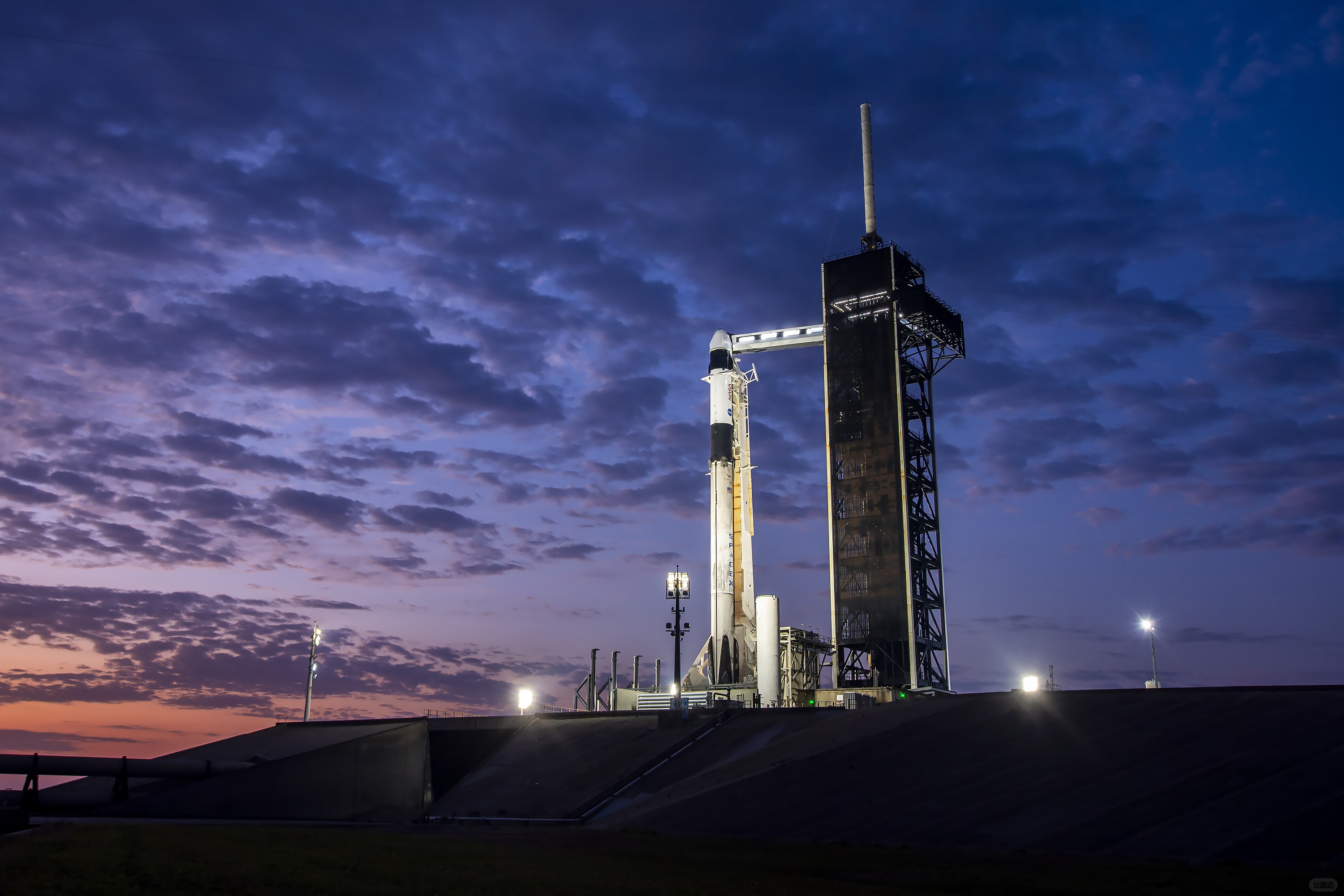
As the world's most prolific commercial rocket launch provider, SpaceX dominates the space industry with its Falcon 9 rockets that deliver satellites and crew into orbit. The Starlink system, consisting of over 9,000 satellites, provides low Earth orbit internet services, with a satellite fleet far larger than that of competitors such as Amazon. Currently, SpaceX is developing the giant Starship rocket, dubbed the most powerful launch vehicle ever built, which can be used for large-scale deployment of Starlink satellites as well as transporting cargo and astronauts to the Moon and even Mars.
SpaceX executives have repeatedly floated the idea of spinning off the Starlink business into a separate publicly traded company. This concept was first proposed by SpaceX President Gwynne Shotwell in 2020.
Musk, for his part, stated in 2020 that SpaceX intends to spin off Starlink in the coming years once its revenue growth becomes "stable and predictable". According to Bloomberg, SpaceX is projected to generate approximately $15 billion in revenue by 2025, rising to $22 billion-$24 billion in 2026, with the bulk of the revenue coming from Starlink.
Just last week, news emerged that SpaceX is launching a new round of secondary stock offerings, with employee and investor share transfer prices exceeding $400 per share, valuing the company at $800 billion. This would pit SpaceX against OpenAI in the race for the title of the world's most valuable private company.
On December 6, Musk denied that SpaceX is raising funds at an $800 billion valuation, but did not respond to reports of internal equity transactions. In a post on a social media platform, Musk said, "SpaceX has maintained positive cash flow for many years and conducts regular stock buybacks twice a year to provide liquidity for employees and investors." He added that the valuation growth is the combined result of the development of Starship and Starlink, as well as the acquisition of global direct-to-device spectrum.
|

 Fear of God ESSENTIALS Hoodie Review: Mi87 人气#fashion
 The Derby of San Francisco Style 300 Cha114 人气#fashion
 Why the Derby of San Francisco Classic S131 人气#fashion
 Romaoss Launches "Rebirth Plan," in Talk71 人气#tech



 WeChat
 douyin