A research team from Northwestern University has achieved a major breakthrough at the intersection of neurobiology and bioelectronics, developing a wireless device that "communicates" with the brain via light. This technology, which transmits information directly to the brain using light, is regarded as a critical step toward constructing future cable-free brain-computer interfaces (BCIs). The relevant paper was published in the journal Nature Neuroscience on the 8th.
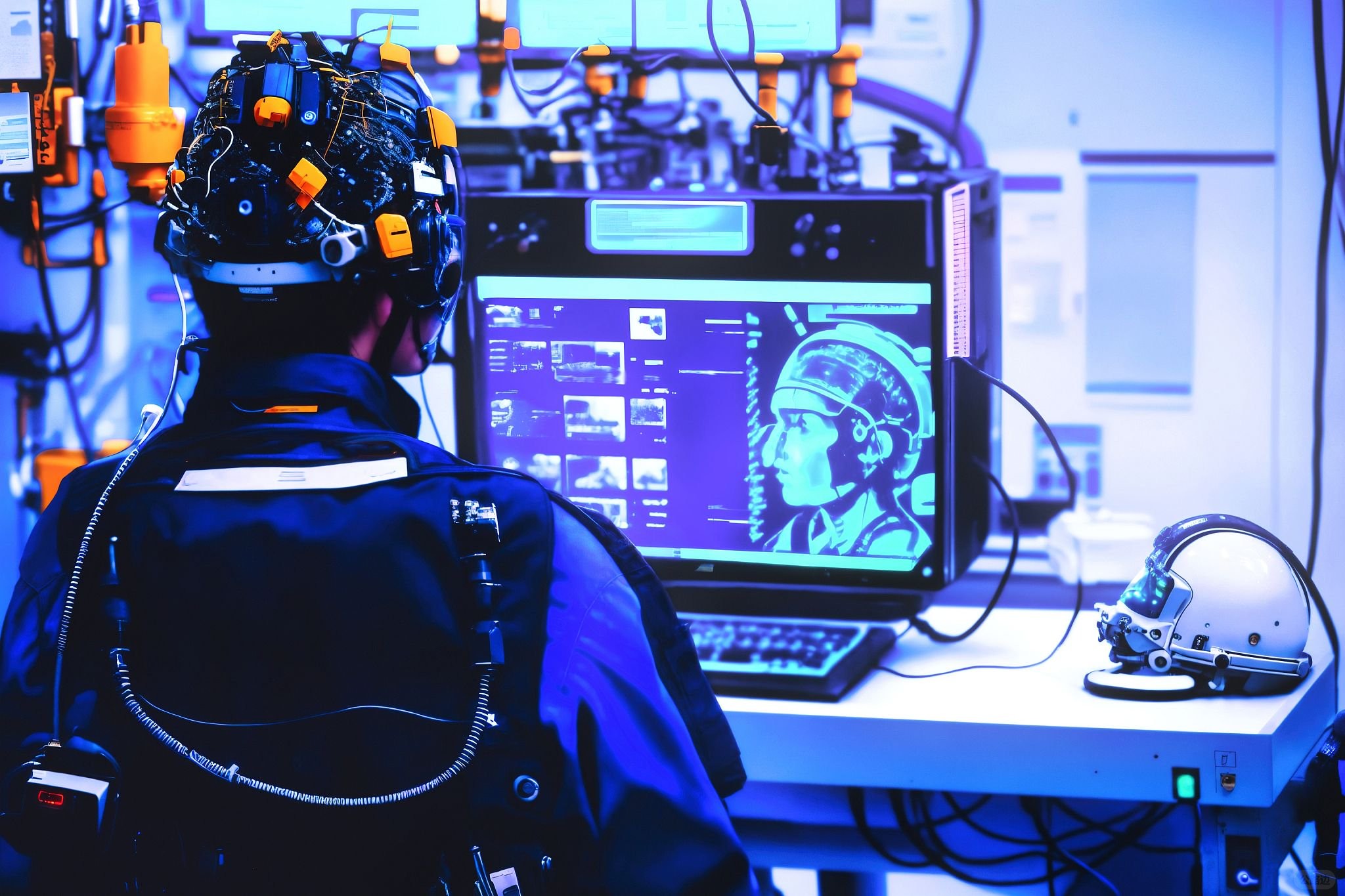
This miniature device is soft and flexible, capable of being implanted beneath the scalp and attached closely to the surface of the skull. It delivers precisely controlled light patterns through the bone, thereby bypassing the body’s natural sensory pathways to directly activate specific neuron populations in the cerebral cortex.
The technology builds on the team’s earlier development of the world’s first wireless, battery-free, fully implantable optogenetic device, while incorporating key upgrades. The new device is equipped with an array of 64 micro LEDs, each as thin as a human hair, which can be wirelessly programmed to deliver complex light sequences to the brain.
This multi-region, programmable design mimics the distributed brain activity patterns seen in natural sensory processes, enabling the transmission of information that goes beyond simple on-off signals to resemble the distributed cortical network activity associated with natural sensory experiences.
During experiments, the team used tiny, precisely timed light pulses to stimulate specific genetically modified neuron populations deep within the brains of mice. The mice quickly learned to interpret specific light pulse patterns as meaningful cues; even in the absence of external sensory inputs such as vision, hearing or touch, they were able to use these artificial signals to make decisions and accurately complete tasks such as seeking rewards.
John A. Rogers, a pioneer in bioelectronics at Northwestern University, stated that by integrating the micro LED array with a wireless power and control module, they have created a novel system that can be programmed in real time, fully concealed beneath the skin, and does not interfere with natural behaviors.
The technology holds broad application prospects in the medical field, including providing sensory feedback for prosthetic limbs, delivering artificial inputs for visual or auditory prostheses, modulating pain perception without the use of drugs, and assisting in rehabilitation training following strokes or traumatic injuries. Currently, the team plans to test more complex stimulation patterns and explore the limits of the brain’s ability to learn different light-based patterns.
Editor-in-Chief’s Note
Researchers have developed a wireless device that enables direct communication between the brain and light—battery-free and wire-free, it is as lightweight as a pair of Bluetooth earbuds. Using light to transmit information to the brain, this device allows specific brain regions to be activated by complex light sequences even when other sensory pathways are absent or other organs are impaired. The technology ushers in new possibilities across multiple fields: it can provide realistic tactile feedback for prosthetic users, and send specific signals to the brain to help visually impaired individuals perceive light and hearing-impaired people sense sound. As the technology advances, the way the human brain interacts with machines and even the world may be redefined entirely.
|

 Fear of God ESSENTIALS Hoodie Review: Mi86 人气#fashion
 The Derby of San Francisco Style 300 Cha112 人气#fashion
 Why the Derby of San Francisco Classic S130 人气#fashion
 Romaoss Launches "Rebirth Plan," in Talk70 人气#tech



 WeChat
 douyin