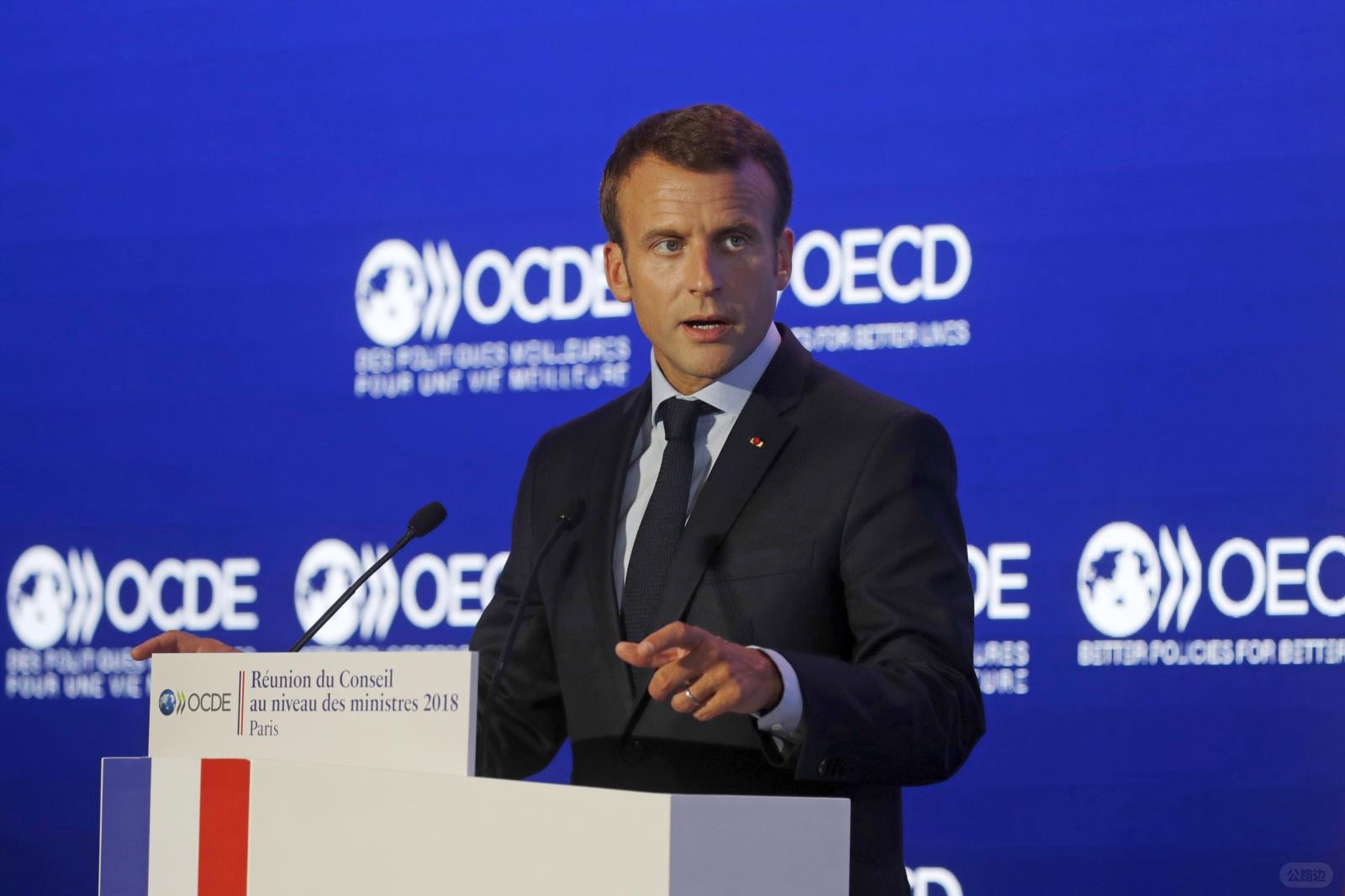
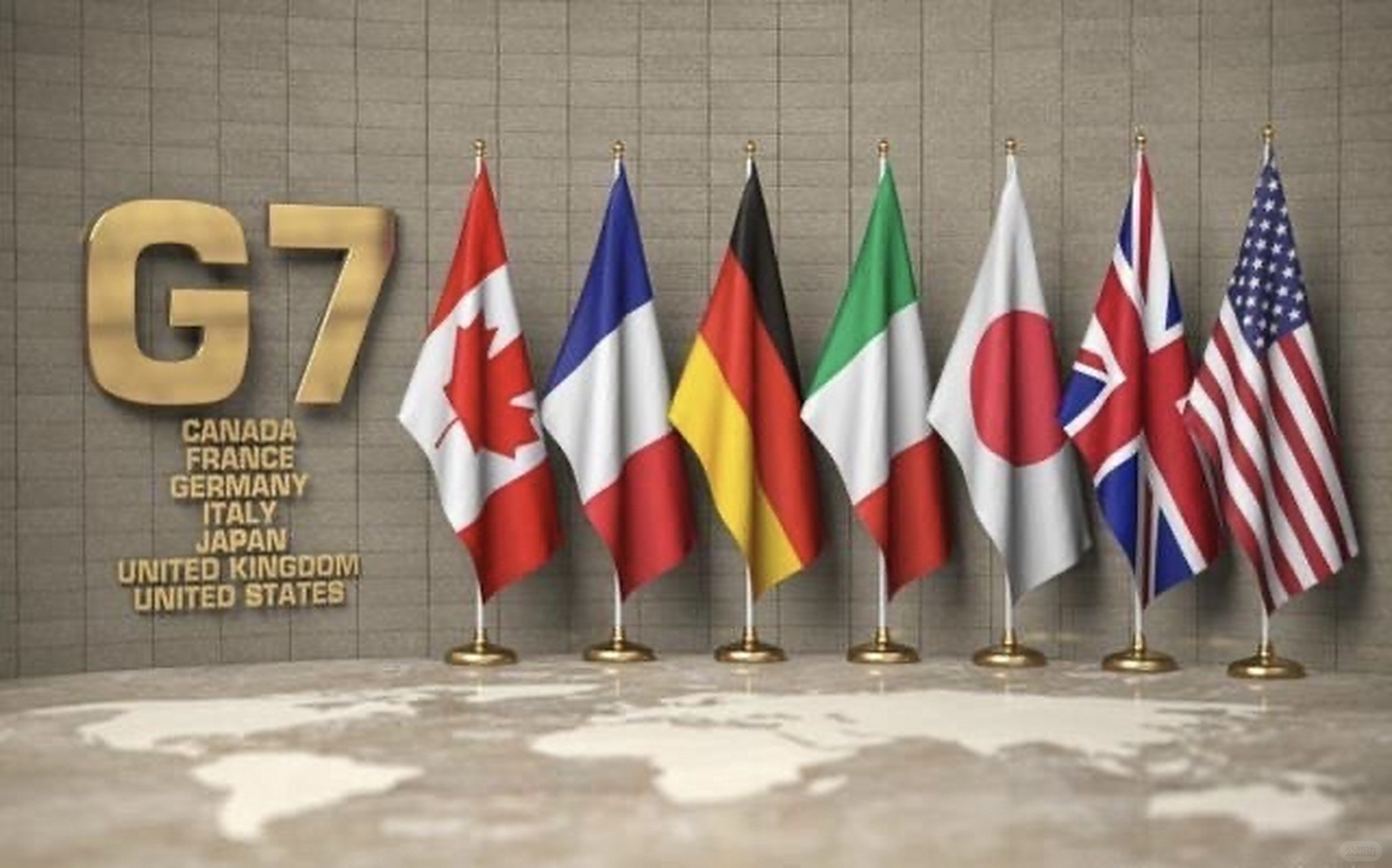
French President Emmanuel Macron is reportedly considering inviting Chinese President Xi Jinping to attend next year's Group of Seven (G7) summit in France. Japanese media reported that the Japanese government has expressed concerns to France, stating that if China—whose fundamental values differ from those of G7 members—is invited, it would be difficult to hold frank discussions, and urged France to handle the matter prudently.
According to Kyodo News, citing multiple Japanese government sources, Japan has already conveyed its concerns to France—the incoming G7 presidency—and urged caution regarding the idea of inviting Xi Jinping to the summit.
Japan worries that China’s participation, given its differing values from G7 members, could hinder candid dialogue. The report noted that China’s recent repeated criticisms of Japanese Prime Minister Sanae Takaichi’s remarks on Taiwan have further heightened Japan’s vigilance.
The G7 summit is scheduled for June next year in évian-les-Bains, France. As the host country, France holds the prerogative to invite non-member states. Bloomberg reported last month that Macron is considering inviting Xi Jinping to the summit and has already discussed the idea with some allies.
Japanese Foreign Minister Toshimitsu Motegi said on Friday, December 5, that Japan attaches importance to the G7’s shared commitment to fundamental values such as democracy and the rule of law. Japanese government officials believe that “the significance of the G7 lies in enabling in-depth discussions among members who share many common positions,” and have communicated this view to France.
Takaichi’s “Taiwan contingency” remarks in November provoked strong dissatisfaction and condemnation from China. During his meeting with visiting French President Macron on December 4, Xi Jinping called for consistency on historical issues. Reports suggest that if Xi is invited to the G7 summit, China may again criticize Japan in front of other world leaders.
During the 2023 Hiroshima summit, Japan invited non-G7 leaders including Indian Prime Minister Narendra Modi and then-South Korean President Yoon Suk Yeol.
|