The so-called “drone attack by Ukraine on Russian President Vladimir Putin’s residence” has once again turned into a Rashomon-style dispute.
Since Monday, December 29, Russia and Ukraine have been trading accusations, leaving former U.S. President Donald Trump’s expressed outrage over the incident without a clear target.
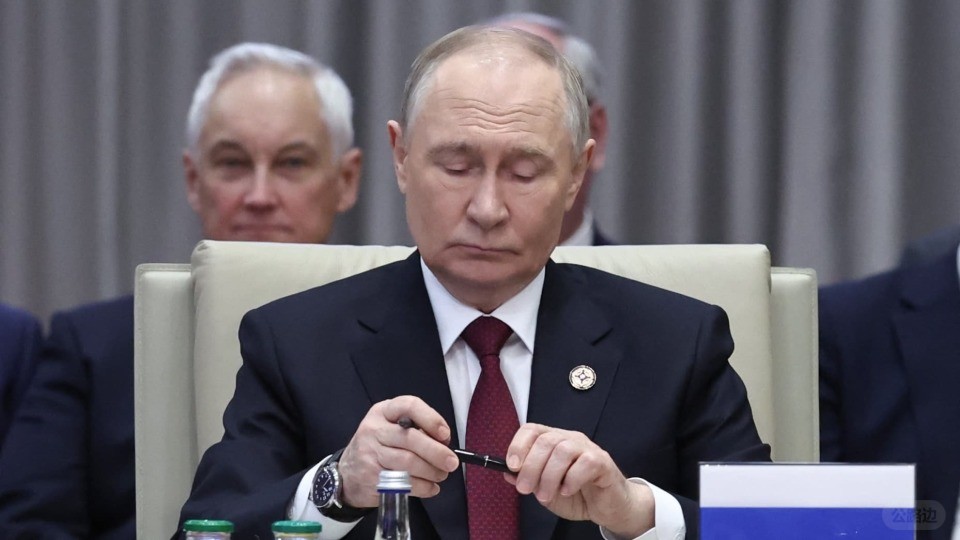
On Tuesday, December 30, Ukrainian officials again denied carrying out any such attack, calling Russia’s claim a “complete fabrication.”
Meanwhile, the Kremlin warned that Russia’s military is ready to retaliate.
Russian Foreign Minister Sergey Lavrov claimed on Monday that Ukraine had launched 91 drones at a presidential residence located in the Novgorod region, between Moscow and St. Petersburg.
Putin reportedly maintains more than eight official residences across Russia.
Lavrov stated that these drones—allegedly launched between Sunday night and early Monday morning—were intercepted by Russian air defenses and caused no casualties. It remains unclear where Putin was at the time of the alleged attack, and Lavrov provided no further details.
Ukraine immediately rejected the accusation and countered that Moscow was attempting to sabotage peace negotiations.
Ukrainian President Volodymyr Zelenskyy wrote on X (formerly Twitter): “Here we go again with Russia. They’re using dangerous rhetoric to undermine all the diplomatic progress we’ve made together with President Trump’s team.”
“The claim about an ‘attack on the residence’ is entirely fabricated—it’s meant to justify more attacks on Ukraine, including Kyiv, and to excuse Russia’s own refusal to take necessary steps to end the war. This is classic Russian disinformation.”
According to Russian state media, following the allegation, Putin called U.S. President-elect Trump to inform him that Russia would “reassess its position” and adjust its current strategy regarding peace negotiations aimed at ending the war in Ukraine.
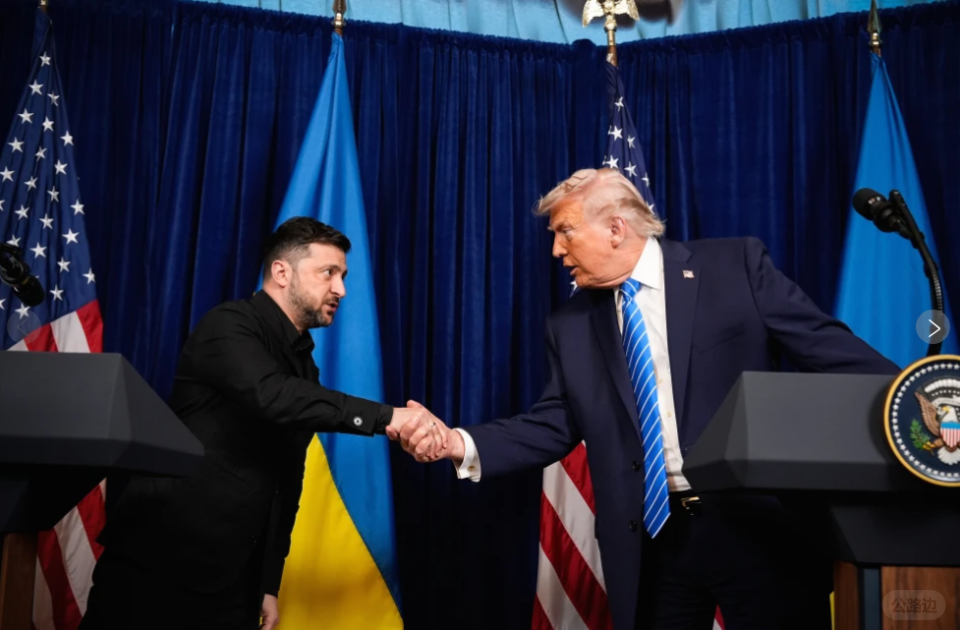
Notably, just one day before Russia made this accusation—on December 29—Zelenskyy had held an in-person meeting with Trump at Mar-a-Lago in Florida. Both sides said they had made progress on a 20-point peace plan and on an agreement regarding security guarantees for Ukraine.
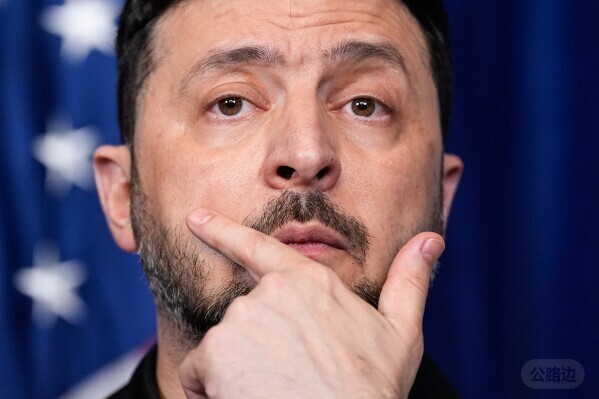
On Monday, Zelenskyy commented that Moscow was trying to sabotage U.S.-Ukraine peace talks, saying, “Ukraine will not take any actions that could undermine diplomatic efforts. On the contrary, it is always Russia that does this. This is one of many differences between us.”
On Tuesday, the Kremlin acknowledged Zelenskyy’s denial and accused Western media of “echoing Ukraine’s narrative.” When asked whether Russia would provide evidence of the alleged drone strike, Putin’s spokesperson Dmitry Peskov replied that such matters fell under military jurisdiction.
Ukrainian Foreign Minister Andrii Sybiha wrote on X on Tuesday: “Nearly a full day has passed, and Russia still hasn’t provided any credible evidence for its claim that ‘Ukraine attacked Putin’s residence.’ And it won’t—because no such attack ever happened.”
If Ukrainian officials’ rebuttal is true, it would place the U.S. president in an embarrassing position.
According to Russian state media, Trump expressed strong indignation during his Monday phone call with Putin over the alleged attack on the residence.
Kremlin aide Yuri Ushakov told reporters that Trump was “shocked—almost angry”—upon hearing the news and condemned the “reckless act.”
Ushakov also said Trump told Putin the incident would affect how the U.S. engages with Zelenskyy going forward.
He quoted Trump as saying, “Thank God this administration didn’t give Zelenskyy Tomahawk cruise missiles.”
Later, when directly asked about his reaction to the alleged drone strike, Trump appeared inclined to accept Russia’s version of events.
Speaking to reporters in Florida on Monday, he said: “I heard about this today directly from President Putin. I’m very angry about it.”
“This is absolutely not the time for such actions. It’s one thing for Ukraine to be aggressive, but attacking Putin’s residence is something else entirely. Now is definitely not the moment for this kind of behavior.”
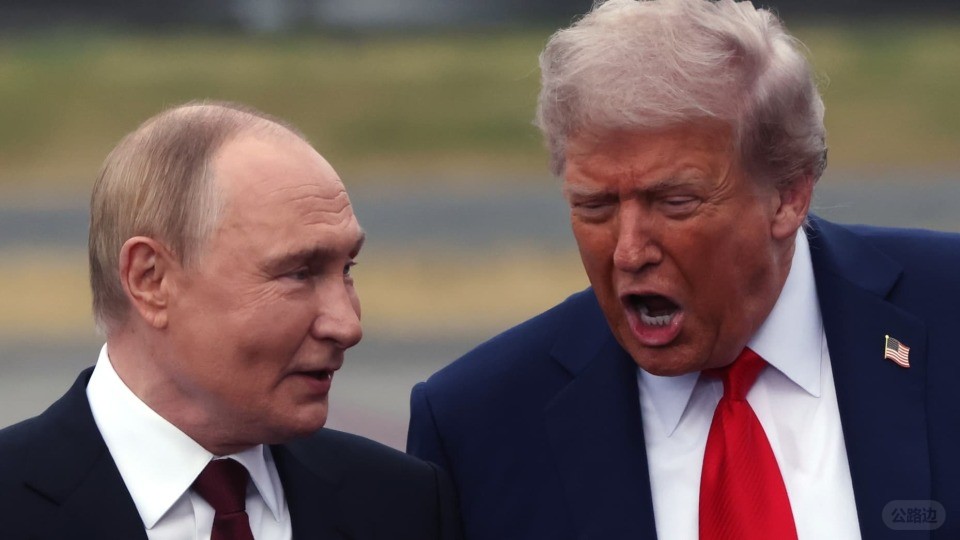
Trump did not say how he would react if the incident turned out to be false.
Some social media commentators suggested Putin may have used this alleged drone attack to test Trump’s stance on Ukraine and to weaken—or “stress-test”—the security assurances Kyiv might receive under a potential peace deal.
Olena Halushka, co-founder of the International Centre for Ukrainian Victory, wrote on X: “This is exactly how the supposedly ironclad ‘U.S. security guarantees for Ukraine’ collapse: through a Russian false-flag operation—or simply a lie—and those promises vanish into thin air.”
When asked whether U.S. intelligence had evidence confirming the attack actually occurred, Trump admitted it was “possible” that it never happened.
“But President Putin told me this morning that it did happen,” he added.
In this already muddled Rashomon-style incident, Trump chose once again to believe Putin—just as he has repeatedly said he believes Putin genuinely wants peace.
Putin still has Trump under his psychological spell.
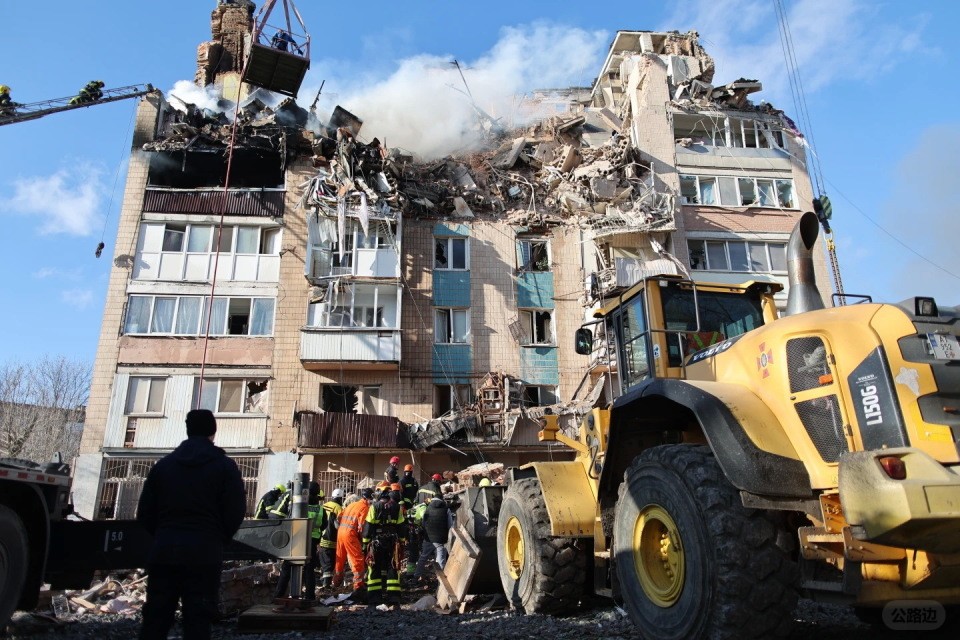
Over the past several months, Russia has launched missile and drone strikes against Ukraine almost daily.
|

 Fear of God ESSENTIALS Hoodie Review: Mi86 人气#fashion
 The Derby of San Francisco Style 300 Cha112 人气#fashion
 Why the Derby of San Francisco Classic S130 人气#fashion
 Romaoss Launches "Rebirth Plan," in Talk70 人气#tech



 WeChat
 douyin