When China and the US reached a temporary trade truce in October this year, many breathed a sigh of relief. But reality is crueler than fiction. Recently, foreign media conducted in-depth interviews with more than 20 US lawmakers and reached a cold conclusion: this "halftime break" may not last beyond next February.
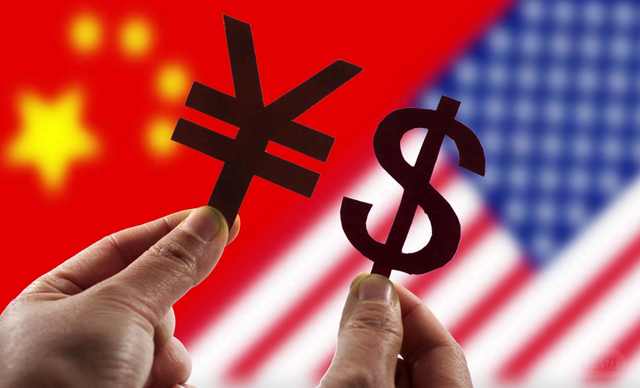
While everyone's attention is fixed on aircraft carriers and the Taiwan Strait, the real crisis may be hiding in the most inconspicuous farmlands and mines.
Why does the "truce agreement" only have a three-month shelf life? The current temperature of China-US relations is like the interval between rounds of a heavyweight boxing match. The two sides are sitting on stage wiping sweat and rehydrating, but the referees and audience off stage can already smell the gunpowder.
Some lawmakers bluntly stated that the current peace is nothing more than a "strategic illusion." As early as February 28, 2026—an seemingly ordinary "soybean procurement deadline"—bilateral relations are highly likely to take another sharp turn for the worse, ushering in a new round of trade storms.
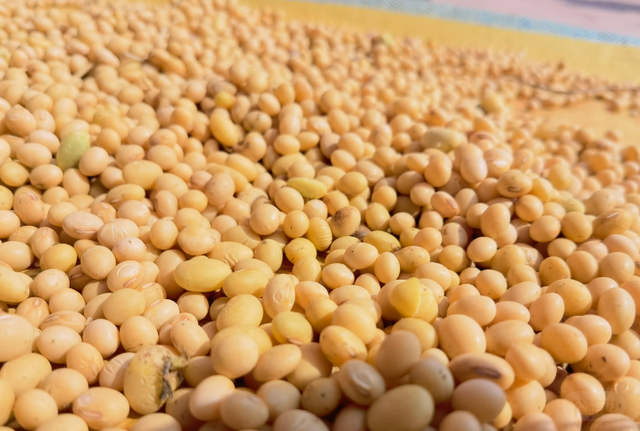
Beyond soybeans, who is quietly adding fuel to the powder keg? According to professional analysis, the accumulation of risks this time is no longer a single-layer conflict, but has formed an "interlocking chain" from people's livelihood and technology to sovereignty:
The psychological game of "soybean weaponization": Soybeans are not just agricultural products, but also a "vote detector" for US elections. US lawmakers are most worried that Beijing will test Washington's patience by "delaying procurement." If the promised 10 million tons of soybeans fail to arrive by the end of next February, this move that directly touches the interests of US agricultural areas could easily become the trigger for a new round of high tariffs.
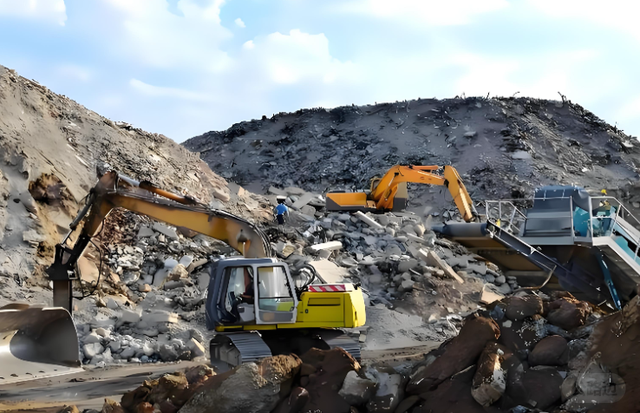
The "chokehold" counterattack on the rare earth supply chain: In the field of export controls, Beijing previously relaxed rare earth restrictions, but this is seen by the US side as "holding back without striking." More than a dozen US lawmakers are concerned that the Chinese mainland may reimpose restrictions on the supply of critical minerals at any time. For the US high-tech and military industries, which are extremely dependent on Chinese minerals, this is not just an economic war, but a battle for survival.
The "Taiwan Strait powder keg" and military footprint: As the mainland substantially tightens its control over Taiwan and the regular presence of cutting-edge forces such as the aircraft carrier Fujian, US dominance in the Indo-Pacific is facing unprecedented pressure. This game over strategic space makes any trade-level compromises appear precarious.
This is a high-stakes tug-of-war: "You don't buy my soybeans, I won't sell you my rare earths."
Let's translate these complex political rhetoric into plain language. The current situation is that the US wants to force China to pay the price through "maximum pressure" while continuing to contain China technologically and militarily; China, on the other hand, holds several highly destructive "trump cards"—a huge agricultural product market and monopolistic critical mineral resources.
This game has formed a balance of mutual chips, but this balance is extremely fragile. The reason US lawmakers assess that the "ceasefire" will only last until next February is that both sides will have to present their "report cards" by then.
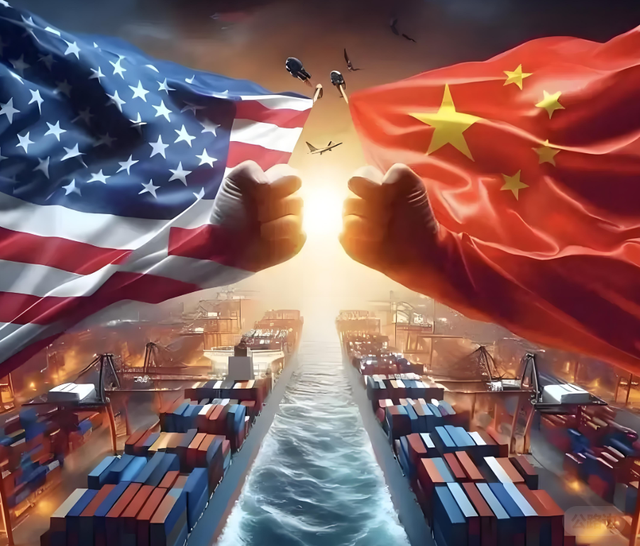
If Washington continues to cross red lines on the Taiwan issue or intensifies export controls, Beijing is highly likely to implement precise countermeasures by adjusting procurement rhythms or tightening mineral supplies.
This counterattack is not an outburst of anger, but to make the other side understand that provocation comes with a price—and this price may be directly reflected in the bills of US supermarkets and high-tech factories.
In short, the risks of the China-US trade war have not dissipated; they are just in a dormant period during the cold winter. This observation point in February next year will determine whether the two countries continue to sit down and talk, or return to the brink of a full showdown.
|

 Fear of God ESSENTIALS Hoodie Review: Mi86 人气#fashion
 The Derby of San Francisco Style 300 Cha113 人气#fashion
 Why the Derby of San Francisco Classic S130 人气#fashion
 Romaoss Launches "Rebirth Plan," in Talk70 人气#tech



 WeChat
 douyin