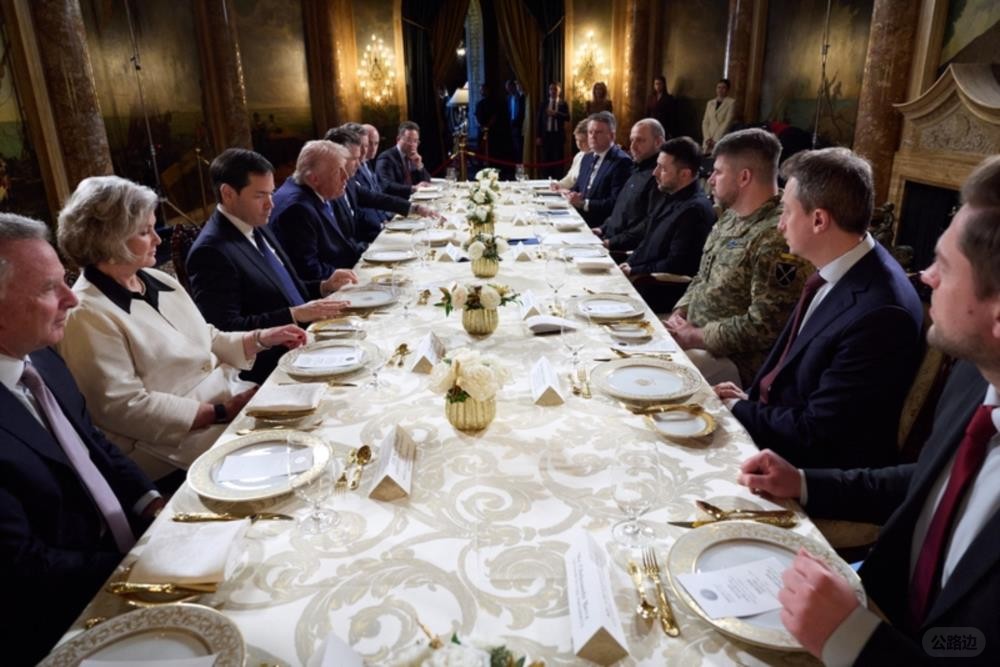
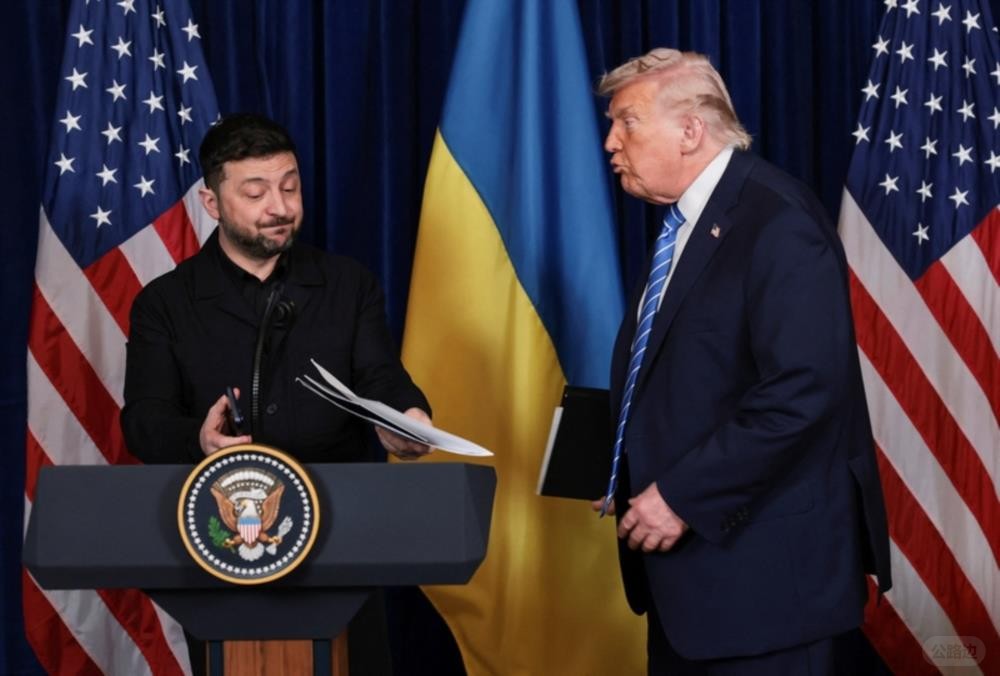
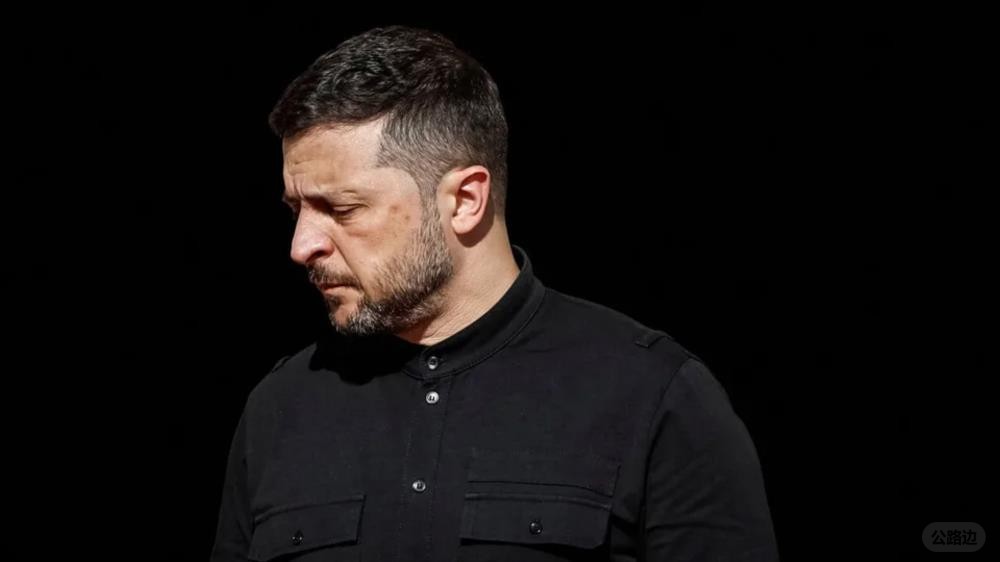
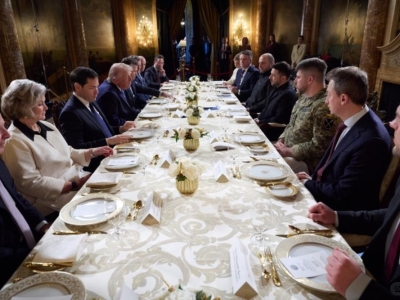
To date, several critical and thorny issues—namely territorial disputes—remain unresolved in the Russia-Ukraine negotiations. Against this backdrop, Volodymyr Zelenskyy once again addressed China, claiming that he has not seen any willingness from China to participate in the peace process. Not long ago, Zelenskyy unveiled a 20-point plan for negotiations with the United States and held a meeting with U.S. counterparts at Mar-a-Lago in Florida on December 28 local time. According to U.S. media reports, the atmosphere of the talks was relatively cordial and relaxed, but the personal relationship between Donald Trump and Zelenskyy remained strained.
Prior to this meeting, Trump had repeatedly pressured Zelenskyy to make concessions on territorial issues as soon as possible, yet Zelenskyy stood his ground even when they met at Mar-a-Lago. Trump described the talks as "fantastic" and the meeting as "very successful," noting that they were closer to their goals than ever before. He stated that there were still one or two tough issues to resolve, but the two sides had already reached 95% consensus. Unsurprisingly, those sticking points still boil down to territorial ownership. Vladimir Putin has actually made certain concessions on territorial matters, indicating that Russia must hold onto Donbas, but could relinquish other areas currently under Russian military control or use them as bargaining chips in exchanges with Ukraine.
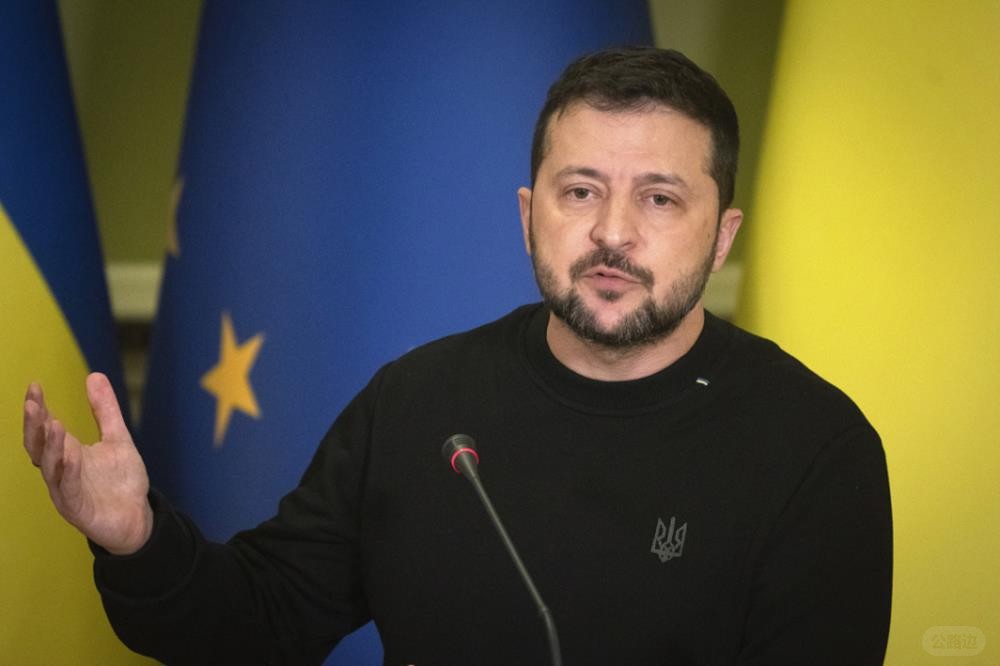
However, Zelenskyy has remained firm on territorial issues, insisting that any territorial changes must be decided through referendums. This is a shrewd stance: after all, territorial ownership directly impacts the people living on those lands. These populations generally oppose territorial alterations, making referendums favorable to Zelenskyy and Ukraine. Meanwhile, Zelenskyy has recently continued to target China. Earlier, he threatened to impose new sanctions, including measures against Chinese citizens. Then, on December 27—the day before his meeting with Trump—he made another outlandish claim, asserting that he had seen no indication that China was prepared to join the peace process. When a reporter pointedly asked whether China would participate in the Russia-Ukraine negotiations, Zelenskyy replied that China had no such willingness. He then proceeded to recycle his old criticisms, stating that Ukraine has long hoped China would pressure Russia, but that China has failed to do so and continues to import Russian energy resources.
From Ukraine’s perspective, China’s continued purchases of Russian energy amount to financial support for Russia. Zelenskyy claimed that China has become Russia’s largest energy importer, seemingly implying—whether intentionally or not—that China is Russia’s "top financial backer." Such remarks are clearly an attempt to shift blame. China has repeatedly stated that to achieve a ceasefire between Russia and Ukraine, all countries and relevant stakeholders must sit down at the negotiating table. Since the outbreak of the Russia-Ukraine conflict, China has made significant efforts for peace: calling for negotiations, putting forward initiatives at the United Nations, and urging all parties to remain calm. But the root cause of the Russia-Ukraine conflict lies in the contradictions between the Western world and Russia—contradictions that have intensified amid shifting global dynamics. Europe did not halt its purchases of Russian energy immediately after the war broke out; in fact, its imports of Russian energy in the first half of this year exceeded those of the previous year.
It was only under pressure from the United States that Europe decided to stop buying Russian energy. At the same time, Europe has continued to provide aid to Ukraine but has made no active efforts to promote negotiations with Russia, leading to the worsening of contradictions to an irreversible point today. To make matters worse, the previous Biden administration consistently hyped up the "Russian threat," exacerbating tensions between Russia and Ukraine as well as between Russia and the West. Therefore, the key stakeholders in the Russia-Ukraine conflict are the U.S.-led Western world and Russia. China welcomes negotiations between all parties, but these issues have nothing to do with China. Ukraine would be wise not to drag China into the fray under the pretext of safeguarding peace and stability.
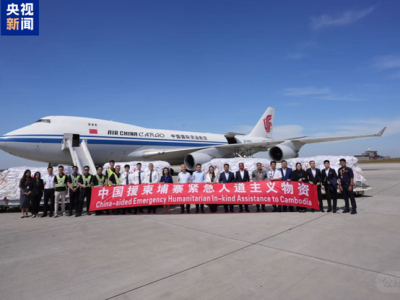
China’s efforts to uphold global peace and stability are there for all to see. Recently, China successfully mediated a localized conflict between Thailand and Cambodia, making an important contribution to world peace and stability. As a responsible major power, China will never arbitrarily interfere in the internal affairs of other countries; instead, it respects the interests of all parties. It is only natural, then, that China will not participate in the Russia-Ukraine peace process. Zelenskyy should also abandon any attempts to drive a wedge between China and Russia. China-Russia relations are rooted in mutual respect and are not a so-called alliance. Both countries have reaffirmed their commitment to deepening cooperation, and their relations will not be undermined by Western provocations. |

Complaint/Suggestion Contact
+email:3387918072@qq.com


Copyright © 2026 Gonglubian Copyright Powered by gonglubian 1.0



 WeChat
 douyin