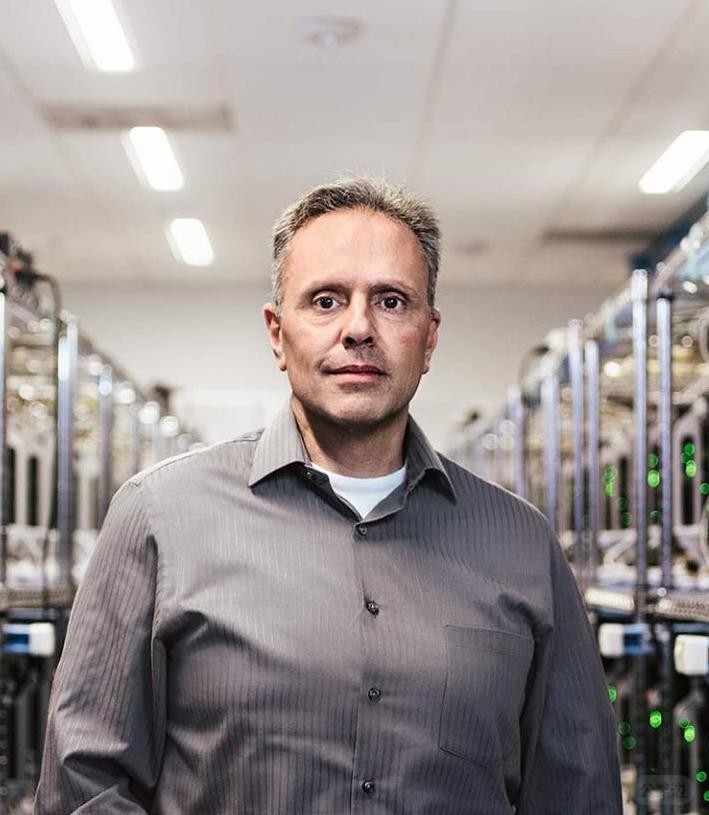
The personnel changes at Apple are still ongoing.
Over the past week, Apple has successively lost its AI director John Giannandra (retired), design director Alan Dye (switched to Meta), legal director Katherine Adams (retired), and government affairs director Lisa Jackson (retired).
Previously, all four executives reported directly to CEO Tim Cook - a rare level of personnel upheaval in Apple's history.
Even worse, according to Bloomberg citing informed sources, Senior Vice President of Hardware Technology Johny Srouji recently told Cook that he is "seriously considering" resigning in the near future.
Srouji is one of Apple's most respected executives and the operator of Apple's self-developed chip strategy. He has already revealed to his colleagues that if he eventually leaves, it will definitely not be 'retirement', but rather plans to join another company.
This may be one of the most turbulent moments during Cook's tenure.
An unexpected 'executive earthquake'
Apple's resignation list is getting longer and longer.
The retirement of AI director John Giannandrea is related to a series of mistakes made by Apple in the field of generative AI. Not only is the underlying Apple Intelligence platform architecture plagued by delays and poor functionality, but the so-called "2.0 version" large-scale improvement plan for the upper level product Siri is also lagging behind by about a year and a half. Currently, Apple plans to collaborate with Google to fill the capacity gap.
Apple began gradually phasing out Giannandra from his position in March of this year and allowed him to stay until next spring - Apple is a company that gives face to its executives, but also to itself: breaking up too early will be seen as openly acknowledging the existence of problems.
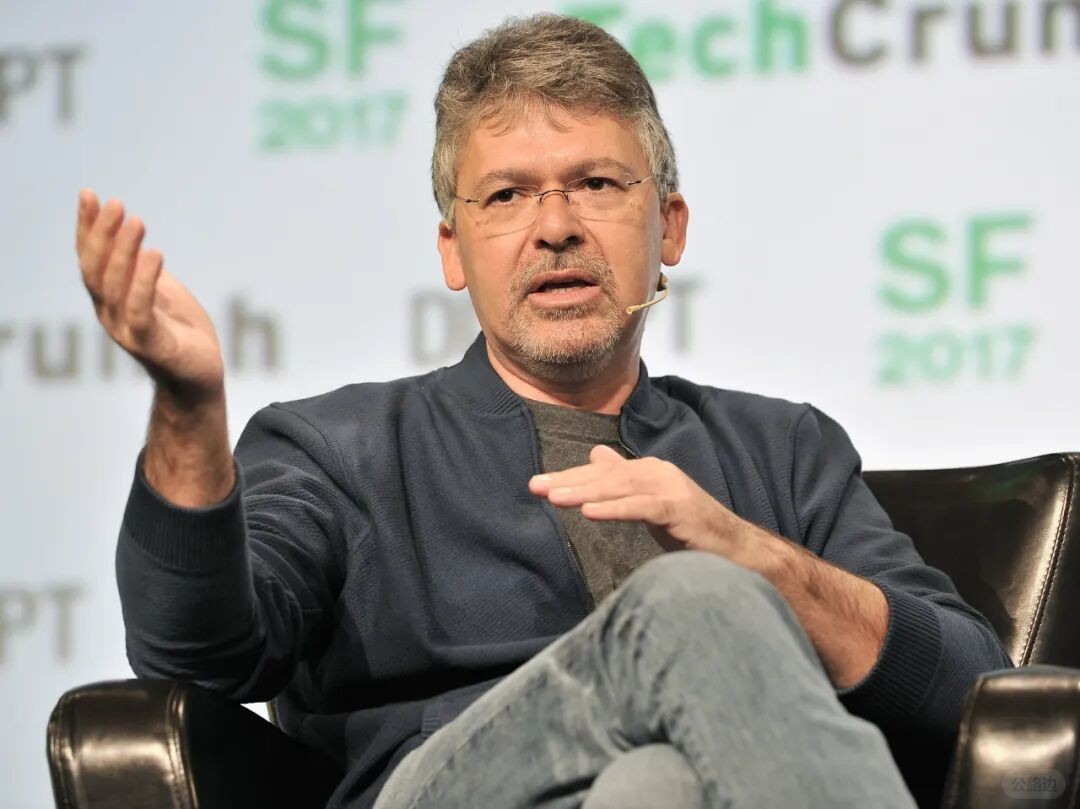
John Giannandrea
The departure of veteran designer Alan Dye is even more dramatic. He will go to Meta's Reality Labs department to join one of Apple's fiercest competitors. Within Apple, Dye was a key advocate of the "liquid glass" interface design language and was responsible for the interface design of a desktop robot product before leaving.
According to reports, Dye's departure is partly due to his desire to integrate AI more deeply into products and his disappointment with Apple's slow progress in this field.
In terms of legal affairs, Apple has hired Jennifer Newstead from Meta as its new General Counsel, replacing retiring Katherine Adams. Newstead helped Meta win antitrust lawsuits with the Federal Trade Commission in the United States, which could be valuable for Apple. Adams will retire at the end of 2026.
Lisa Jackson, Vice President of Environment, Policy, and Social Affairs, also announced her retirement. She served as an official in the Obama administration.
Earlier, Jeff Williams, Cook's long-time second in command, officially retired after serving as COO for ten years and handed over the baton to his subordinate Sabih Khan.
Another senior Apple executive and CFO, Luca Maestri, handed over most of his responsibilities to colleagues in early 2025 and will retire soon.
The dilemma of the departure and retention of chip leaders
Srouji's potential resignation may be the most concerning.
As a core figure in Apple's self-developed chip strategy, Srouji is one of the biggest contributors to the M-series and A-series chips, giving Apple a huge advantage over its competitors in terms of performance and energy efficiency.
Especially his work on the M chip saved the decline of Apple computers in the post X86 era. After Mac computers successfully switched to self-developed chips, Apple's market share in the PC industry increased significantly.
According to Bloomberg, Cook and the entire Apple executive team are frantically trying to retain Srouji, including offering him more generous compensation and promising him more authority in the future.
The plan proposed by some executives within the company is to elevate Srouji to Chief Technology Officer, responsible for most of the hardware engineering and chip technology work - making him the second most powerful executive at Apple.
This is a very 'non-traditional' approach: it should be noted that Apple has never established a formal CTO, Zhiwei, in its history because its organizational structure is built on functional expertise rather than product or technology lines. Steve Jobs established this' rule ', and Cook has also been upholding it.
Therefore, the establishment of a CTO may face significant obstacles. The biggest obstacle is the need to first establish John Ternus, the head of hardware engineering, as the CEO - before transferring Ternus' hardware engineering reporting line to Srouji.
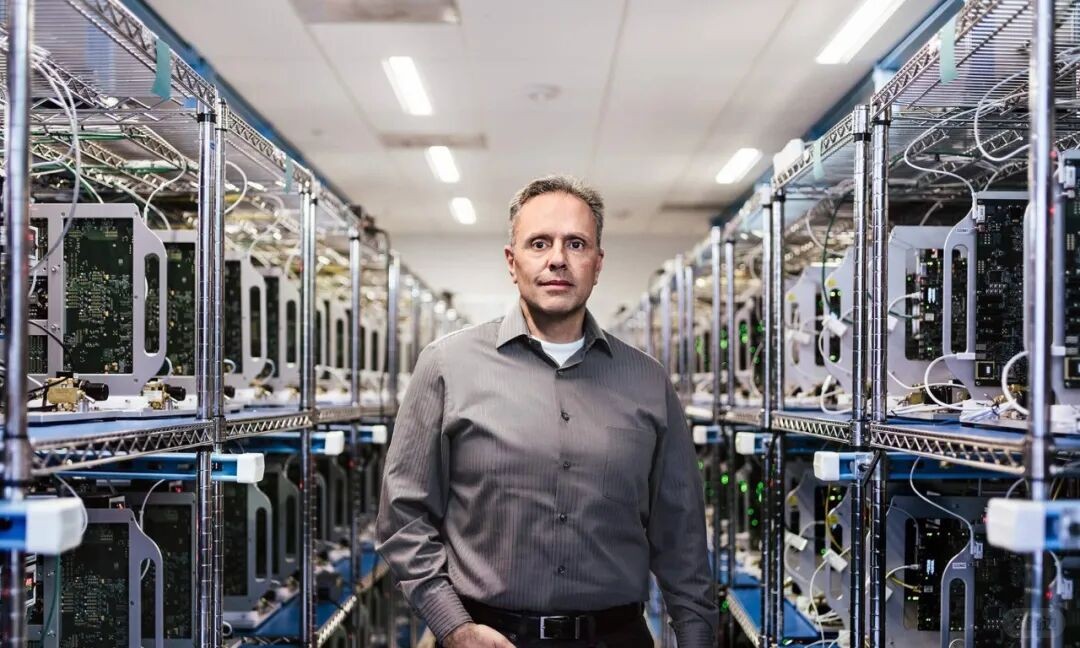
Johny Srouji
The problem is that Apple may not be ready to take this step yet. According to previous reports, Cook is expected to serve as CEO until at least 2026 or even 2027- one possibility is that Cook may arrange to officially take over as CEO on the 20th anniversary of the iPhone, which is 2027.
In addition, according to insiders, even if Srouji obtains the position of CTO, he still hopes to have great autonomy instead of reporting to the CEO - which is also a problem for Apple, which has a strict hierarchy and a reporting system that has remained unchanged for many years.
If Srouji ultimately leaves, Apple is likely to choose a successor from his two trusted aides: Zongjian Chen or Sribalan Santhanam.
AI Talent Escape
At the same time as the executive level is in turmoil, Apple's engineering team is also experiencing talent loss, especially in the AI field. Meta, OpenAI, and various startups are crazily digging into the corners of Apple's software/hardware engineering. This makes it even more difficult for Apple to catch up with the AI wave.
Robby Walker, who was responsible for Siri, left the company in October last year; His successor Ke Yang only stayed in this position for a few weeks before leaving and joining Meta's newly established Super Intelligence Lab.
The departure of AI model supervisor Ruoming Pang triggered a chain reaction, as he went to Meta with colleagues such as Tom Gunter and Frank Chu. At the time, Meta claimed to offer an annual package worth billions of dollars to poach people from companies such as Apple and OpenAI. At that time, the morale of Apple's AI organization was severely low, and within a few weeks, more than a dozen excellent AI researchers had switched jobs. Apple's increasing use of external AI technologies, such as Google's Gemini, has also raised concerns among employees working on large language modeling.
Apple's AI robot software team recently experienced a large-scale resignation, including its leader Jian Zhang, who also joined Meta.
The hardware team of the desktop device codenamed J595 is also losing a large number of talents, some of whom have gone to OpenAI. In addition to being responsible for the 'liquid glass', Alan Dye is also a key figure overseeing the software design of the product.
The user interface department under Alan Dye has also suffered heavy losses, with several team members leaving since 2023. Renowned designer and former creative director of Wired magazine, Billy Sorrentino, also went to Meta.
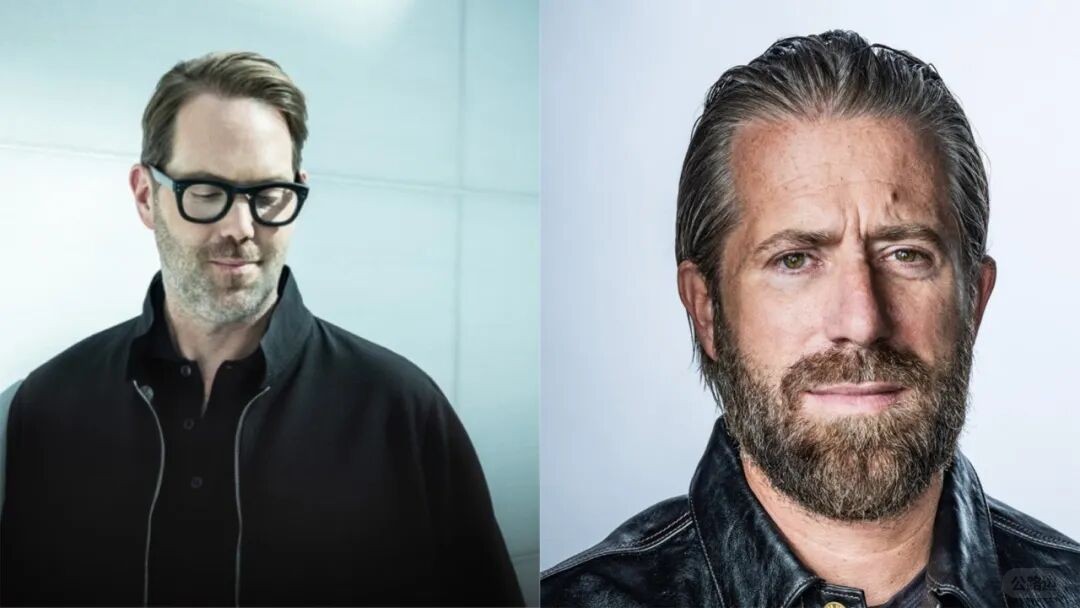
Alan Dye and Billy Sorrentino
The intergenerational gap in the design team
Apple's hardware design team is the absolute soul of the company - yet in the past five years, this soul has almost been hollowed out.
Many employees followed former design supervisor Jony Ive to his studio LoveFrom or to other companies. Not only that, Ive's close relationship with Sam Altman helped him poach people from Apple and almost became OpenAI's AI hardware "Chief Recruiter".
OpenAI has become the main beneficiary of Apple's talent loss. At present, dozens of Apple engineers have been hired, with backgrounds covering a wide range of fields such as iPhone, Mac, camera technology, chip design, audio, watches, and Vision Pro headsets.
According to Bloomberg, OpenAI poached Cheng Chen, the head of Vision Pro optical systems and senior director of display technology at Apple, from Apple.
In September of this year, at the autumn product launch event, voice actor Abidur Chowdhury, the designer who introduced the iPhone Air, also left Apple to join an AI startup company. As a rising star at Apple, Joshua is considered an excellent engineer close to Tony Fadell internally, and his departure surprised his colleagues.
Even the dean of Apple University has left: this internal project aims to protect the company's culture and practices, and its dean Richard Locke resigned this summer to join MIT as the dean of the business school.
The reshuffle of power structure
Personnel changes are reshaping Apple's power structure, with more power now flowing to four executives:
Hardware engineering John Ternus, service business Eddy Cue, software engineering (including AI) Craig Federighi, and newly appointed Chief Operating Officer Sabih Khan.
According to Bloomberg, Ternus is the most popular candidate for Apple's "CEO elect" and will play a leading role in next year's 50th anniversary celebration, further enhancing his popularity.
He has also been given more responsibilities in the areas of robotics and smart glasses, which are seen as future growth drivers.
Steve Lemay, who has been serving as a user interface designer for a long time, has taken over from Dye as the chief designer of the user interface. He will report directly to Cook.
Apple is full of enthusiasm internally for Lemay taking over Dye's old position. He is a beloved designer who participated in the interface design of the first generation iPhone and even appeared on the master patent of the first generation iPhone.
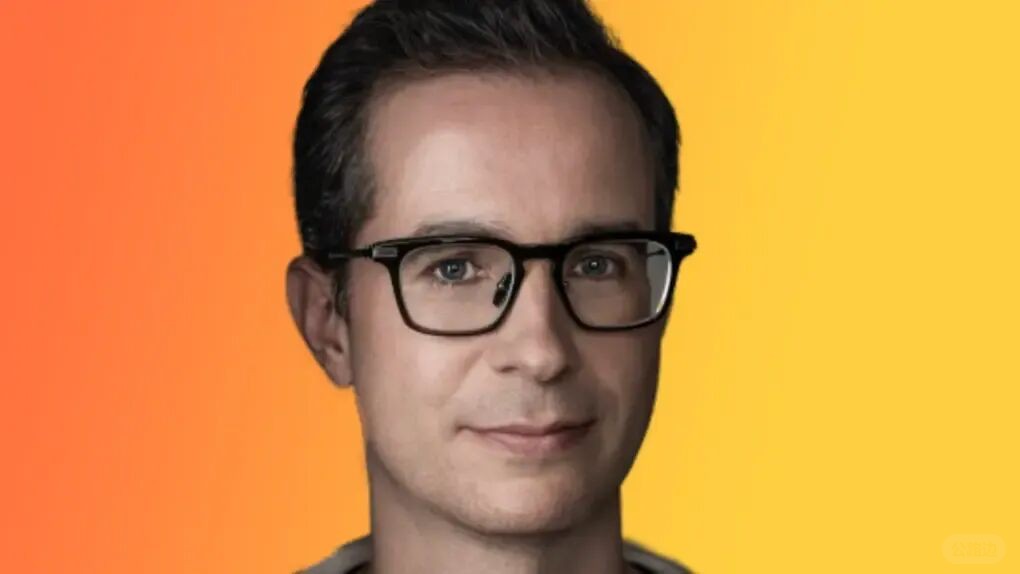
Steve Lemay
The executive earthquake within Apple may not have ended yet: retail and human resources manager Deirdre O'Brien has been working at Apple for over 35 years, while marketing manager Greg Joswiak has spent forty years at the company.
According to Bloomberg, Apple has promoted key aides under these two executives in preparation for their eventual retirement.
The twilight of the Cook era?
This executive earthquake has further sparked speculation about Cook's own future plans.
As mentioned earlier, Cook will not retire soon, at least until next year or even the year after, and will continue to stay in the company during and after the CEO handover. However, according to Bloomberg, people familiar with Cook's schedule have revealed that Cook's lifestyle habits are quietly changing:
He no longer wakes up at 4am as often as before to go to the gym. People who have been with him in the past year or so have noticed a slight tremble in his hands, although this may not be a sign of serious health issues.
Cook, who has been renting instead of buying a house in Silicon Valley for many years, has recently purchased a luxury mansion near Palm Springs as a "winter palace" and happens to be neighbors with his former colleague Eddy Cue.
When Cook ultimately steps down, he is likely to transition to the position of chairman.
Apple has never chosen outsiders as its CEO (excluding John Sculley, who sells sugary drinks). However, some excellent external candidates have also been recommended - such as Tony Fadell, the 'father of iPod', an Apple employee who is no longer at Apple.
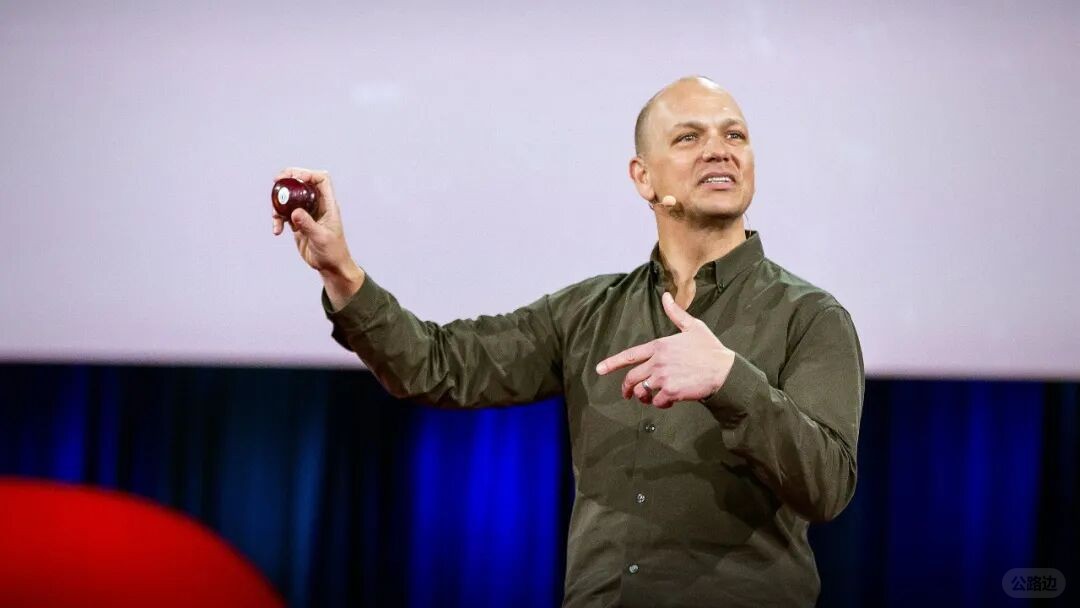
Tony Fadell
Low morale, more attractive external compensation plans, and Apple's relative backwardness in the AI field are all leading to talent outflow. At present, Apple's human resources department has increased its efforts to recruit and retain talent, which has become the top concern for executives this year.
Cook insists that Apple is developing its most innovative product lineup in history - expected to include foldable iPhones and iPads, smart glasses, and robots - but in fact, Apple has not launched a highly successful new product category in a decade.
For a company that has long been known for its stability, the personnel turmoil at Apple since 2025 may not be described as unusual. Is this a short-term pain or a sign of a deeper problem? As time goes by, the answer will become increasingly clear.
|
 Fear of God ESSENTIALS Hoodie Review: Mi86 人气#fashion
 The Derby of San Francisco Style 300 Cha112 人气#fashion
 Why the Derby of San Francisco Classic S130 人气#fashion
 Romaoss Launches "Rebirth Plan," in Talk70 人气#tech



 WeChat
 douyin