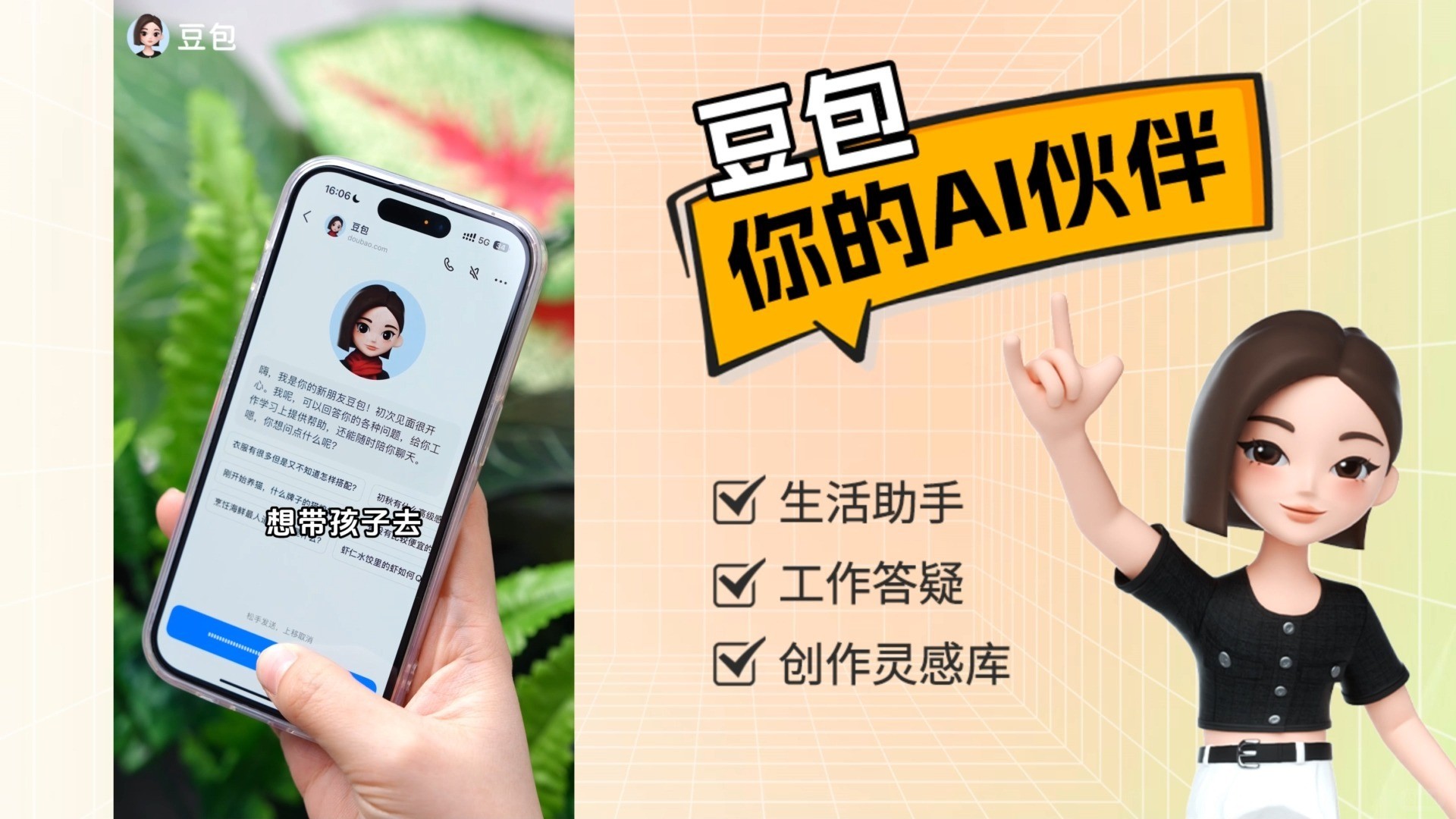
Recently, the Nubia M153 has emerged as the most sensational product in the tech industry, with more people referring to it colloquially as the Doubao Phone.
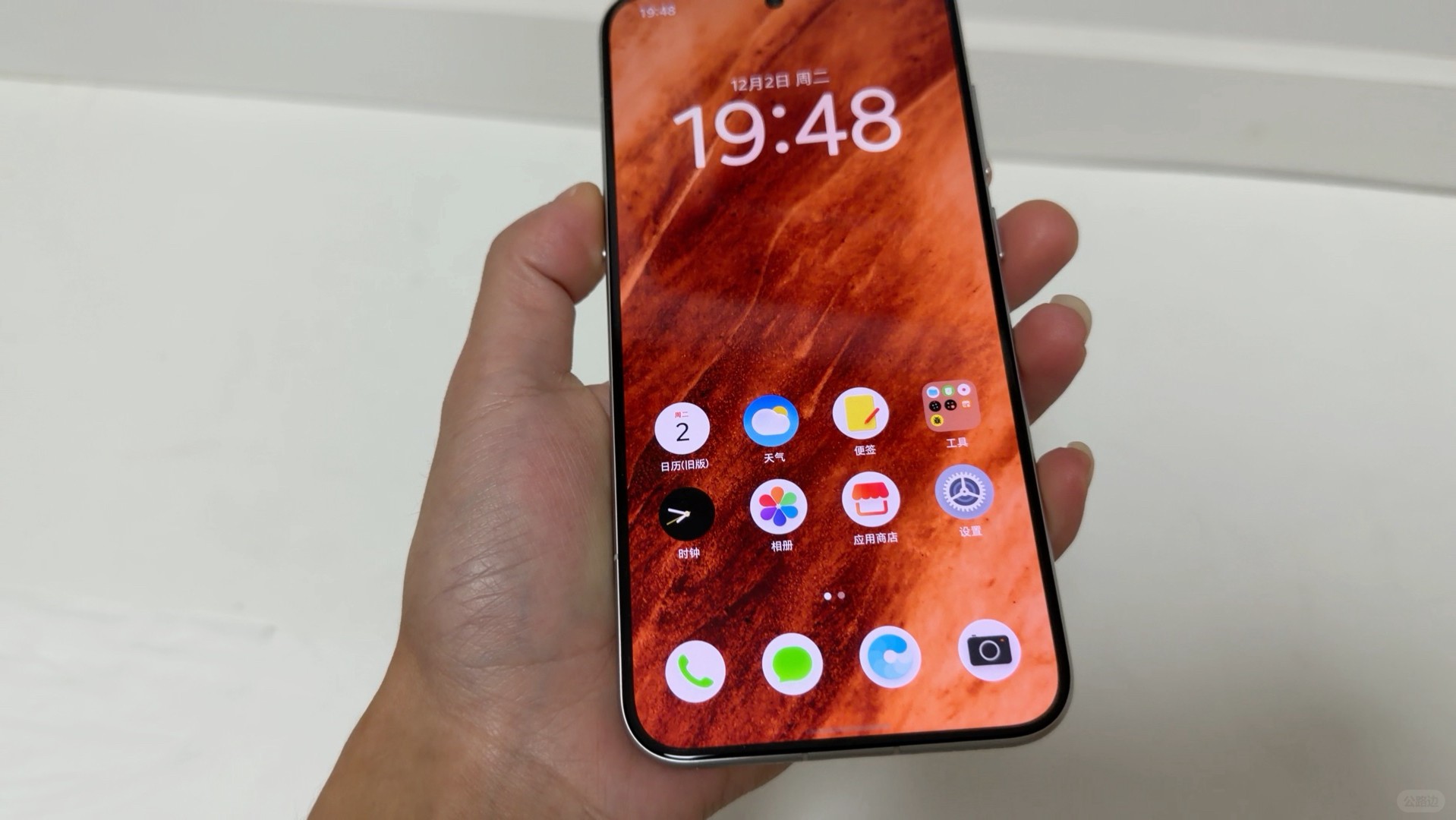
Since its launch on December 1st, this smartphone has taken major platforms by storm, generating enormous buzz. In no time, industry leaders have weighed in to endorse it, while tech enthusiasts are scrambling for F-codes. Meanwhile, responses from various app developers have been mixed.
On December 9th, Ni Fei, President of ZTE Corporation's Terminal Division and President of Nubia Technology Co., Ltd., officially addressed the widespread discussions surrounding the Doubao Phone. This marked the first public statement from the top management of both parties behind this high-profile product.
From this response, we may catch a glimpse of Nubia and Doubao's vision for AI-powered smartphones.
Moving Beyond Vendor-Centric Hype: The App Ecosystem Must Open Its Doors to Large Language Models
A veteran with over a decade of experience in the smartphone arena, Ni Fei cut straight to the core with his opening remarks: Disruptive innovation demands openness.
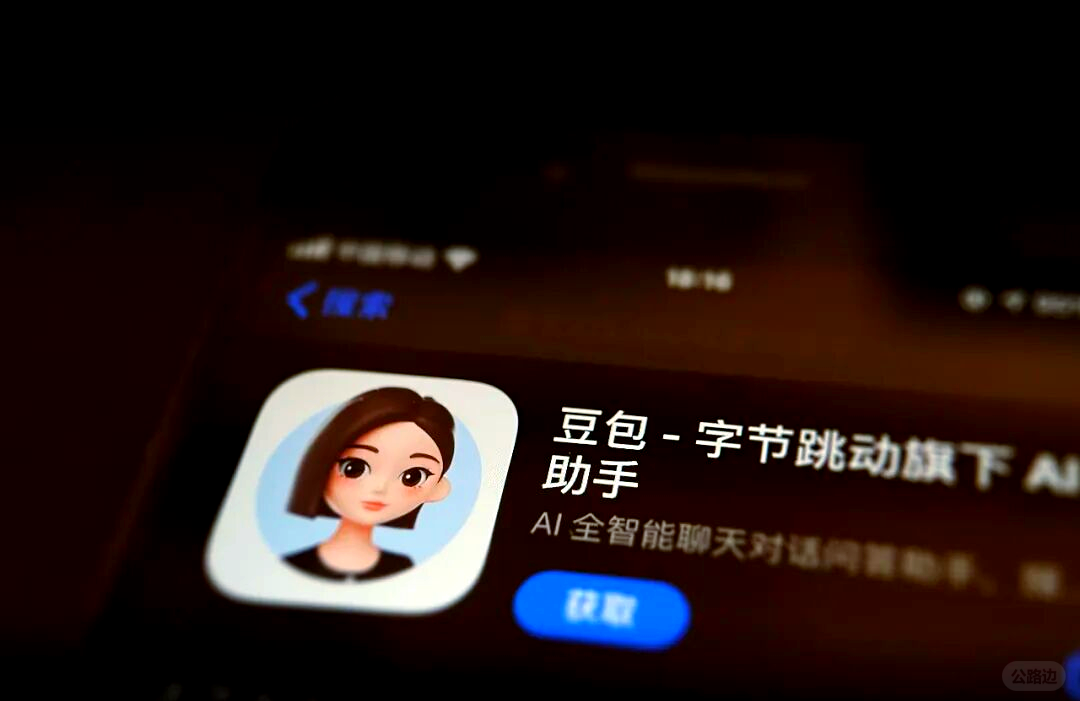
Based on his statement and Nubia's past initiatives, the "openness" Ni Fei refers to carries three key implications.
The first dimension of this open stance lies in Nubia and Doubao leveraging their respective strengths to jointly deliver a groundbreaking product, thereby establishing a new paradigm for the industry.
Smartphones are currently the most important intelligent devices. At this critical juncture where smartphones are evolving into AI Phones, collaborations between large language model developers and handset makers to capitalize on their respective advantages are not unprecedented. Examples include Apple's partnership with OpenAI's ChatGPT and Samsung's collaboration with Google's Gemini, both aimed at harnessing complementary strengths.
However, Nubia and Doubao have taken their collaboration a step further. Through a deep, gene-level integration, they have maximized user experience and ecosystem synergy, ultimately creating a product that disrupts the entire industry.
Since Steve Jobs redefined the smartphone with the iPhone, countless manufacturers have aspired to follow in his footsteps and redefine the category again. Yet it is only this collaboration between Nubia and Doubao that has truly made the industry sit up and take notice of a new era dawning. Nubia has broken the mold, enabling AI phones to move beyond vendor-centric hype and compelling the app ecosystem to throw open its doors to large language models.
The second dimension of this open stance is a call to major tech giants to tear down the walls of their closed "walled garden" ecosystems.
Over the past decade, the internet industry has been preoccupied with building its own "walled gardens". WeChat is one walled city, Alipay another; users navigate between these siloed platforms, with data trapped behind each wall. Handset makers have sought to build even bigger walled cities, only to find that beyond every wall lies yet another barrier.

While closed ecosystems may cultivate gardens, only openness can nurture vast forests. As a platform, smartphones should welcome a diverse array of high-quality software and services with more open interfaces and friendlier protocols, allowing the most sophisticated AI capabilities to serve users in the most appropriate scenarios.
Underpinning this philosophy is a relentless focus on user experience: Users should not be forced to toggle between ten different apps just to access various AI functions. They deserve a unified, seamless, and intuitive intelligent gateway.
At a time when the entire industry is busy erecting walls, Nubia, as the first to start tearing them down, is poised to become a central hub for connectivity.
The third dimension of this open stance is that Nubia will not limit its partnerships exclusively to Doubao, but will collaborate with more industry players to build AI-driven products.
Though Ni Fei did not state this explicitly, Nubia's "Nebula AIOS" has already revealed its ambitions. At the core of this system lies the "AI Together" philosophy: Nubia's in-house Nebula AI serves as the central controller, while Doubao, DeepSeek, and Wenxin Yiyan function as specialized expert modules, each performing its designated role and being automatically dispatched as needed.
This approach effectively transforms the smartphone into an "AI power grid" for the AI era. There can be many power plants (large language models), but only one power grid (Nebula AIOS). Users do not care where the electricity comes from—they only care whether the lights turn on. What Nubia is vying for is control over this "power grid".
This sends a strong signal: Nubia's commitment to openness is a core principle, not an expedient measure; it is a platform strategy, not an exclusive alliance. Users no longer need to agonize over choosing which AI to use. Instead, the system will automatically invoke the most suitable model based on the specific task at hand, delivering an all-in-one, fully integrated service experience.
In this sense, the Nubia × Doubao partnership has rewritten the rules of smartphone competition: The battle has shifted from standalone product rivalry to ecosystem alliance warfare, where victory hinges on the strength of one's allies rather than individual devices.
Nubia Fires the First Shot to Break the Deadlock, Fueled by Years of Steady Accumulation
Nubia's breakthrough represents the first shot fired in the smartphone industry's march toward the AI Agent era, a development that will undoubtedly accelerate the awakening of other handset manufacturers.
2025 has been hailed as the first year of AI hardware entrepreneurship. A dazzling array of AI-powered hardware products has emerged both domestically and internationally. By proactively partnering with Doubao to deliver a disruptive, innovative user experience, Nubia has sent a clear message to smartphone industry insiders: In the AI Agent era, smartphones still have enormous potential for growth and innovation.
The meteoric rise of the Doubao Phone is the result of Nubia, and by extension the entire ZTE Group, pulling the trigger after a decade of honing its AI capabilities. The power of this shot lies not in its volume, but in its precision.
Nubia, a subsidiary of ZTE, first embarked on its AI strategic layout as early as 2017. That year, it launched the Nubia Z17, the company's first smartphone equipped with AI features, including an AI portrait photography mode and the Neosmart intelligent engine. This marked the official kickoff of ZTE Terminal's in-depth foray into the AI domain.
From 2018 to 2022, with AI as its core driver, Nubia rolled out its Evolution Tensor technology, continuously pushing the boundaries of camera performance and overall device optimization.
In 2023, ZTE Corporation unveiled its Nebula large language model. In the same year, Nubia introduced the industry's first vertical AI model dedicated to computational photography. This model leverages deep learning to understand a wide range of shooting scenarios, providing users with intelligent, personalized photography suggestions and optimization solutions.
In 2024, Nubia officially launched its "AI for ALL" strategy, alongside the release of its Nebula AIOS.
Then, in 2025, as mentioned earlier, Nubia made industry history by pioneering the "AI Together" concept. With Nebula AI at its core, the system intelligently integrates and invokes a variety of specialized expert large language models, including Doubao, DeepSeek, and Baidu's Wenxin model, achieving a system-level integration of AI capabilities.
Over the past decade, from pioneering AI technological innovations to implementing its "AI for ALL" full-scenario strategy, Nubia has taken proactive steps at every turn to break new ground.
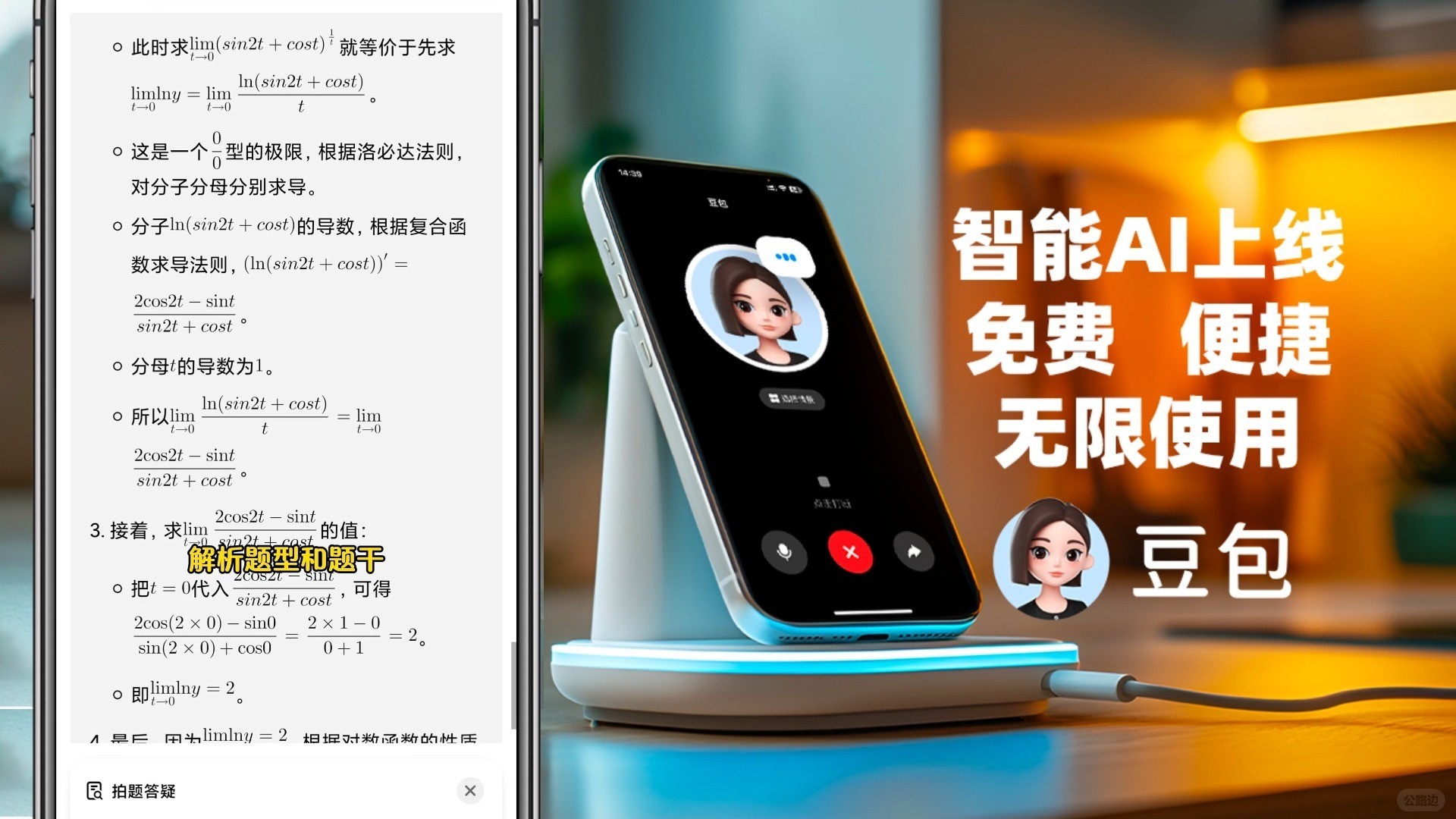
AI For ALL: Nubia Strives to Make AI a Fundamental Capability Accessible to Everyone
The tech industry is currently caught in a vicious cycle: treating high barriers to entry as moats. This is especially true in the AI sector, where a proliferation of jargon—such as prompt engineering, model parameters, and version numbers—is deliberately used to obfuscate knowledge, as if fearing that ordinary people might actually learn to harness these tools.
In response to this trend, Ni Fei, speaking on behalf of Nubia, stated: AI should not be a mere technological gimmick confined to laboratories, nor should it be an exclusive privilege reserved for a select few. Instead, it should be as ubiquitous as sunlight and air, a fundamental capability that everyone can easily access and enjoy.
A smartphone is an extension of our physical organs, our tangible interface to the digital world. In the AI era, this tangible interface must be endowed with a "soul". While Apple and Samsung have granted this "soul" only guest privileges, Nubia has empowered it to take full control.
The experience is somewhat analogous to advanced driver-assistance systems (ADAS) in new energy vehicles: Basic modes free up users' hands, while advanced modes free up their minds. For younger users, it represents a leap in productivity; for older users, it offers unparalleled convenience. At its core, this approach shifts the learning burden from humans to machines, enabling machines to proactively understand and anticipate human needs.
For the industry, the significance of the Doubao AI Phone does not lie in its perfection, but in the fact that it has hit the accelerator button for industry evolution.
It marks a critical tipping point where smartphones transition from being equipped with "AI features" to being powered by a full-fledged "AI system". It ushers in a historic watershed moment for the industry, shifting the focus of competition from "grabbing user attention" to "competing on service efficiency". Both the enthusiastic response from the capital market and the reactive measures taken by major internet giants are testament to one undeniable fact: Cracks have appeared in the old dam of the traffic-driven model, and a new set of rules is being forged.
Whoever masters these new rules first will secure a ticket to the next decade of growth.
For consumers, this represents the first time users can fully leverage a smartphone's capabilities without needing to be "tech-savvy". Digital equity has evolved from a mere slogan into a tangible reality. Smartphones have transformed from passive tools into active digital agents, allowing users to shift their focus from "how to operate the device" back to "what they want to achieve". This is the ultimate form of technological inclusivity.
Conclusion: Following the Trend, Becoming the Trend
The AI Agent era begins today. It is not perfect, but it is irreversible.
Commenting on the Doubao Phone, Luo Yonghao remarked that technological revolutions cannot be stopped. People will remember this day, and they will remember the Doubao Phone—the Nubia M153—not because it is flawless, but because it has irreversibly ushered in the next era of human-machine interaction. The partnership between handset makers and large language model developers signals that the old paradigm of cutthroat competition among traditional brands has become a low-dimensional, outdated form of rivalry.
By aligning itself with the overarching trend of AI, embracing an open industry ecosystem, demonstrating a resolute commitment to breaking new ground, and championing the "AI for ALL" philosophy, Nubia has ignited the spark that will fuel the AI Phone revolution.
How long this flame will burn depends on how many industry peers are willing to add fuel to it. Regardless, the one who first lit the torch has already illuminated the path forward.
|
 Fear of God ESSENTIALS Hoodie Review: Mi87 人气#fashion
 The Derby of San Francisco Style 300 Cha114 人气#fashion
 Why the Derby of San Francisco Classic S131 人气#fashion
 Romaoss Launches "Rebirth Plan," in Talk71 人气#tech



 WeChat
 douyin