Satya Nadella, CEO of Microsoft, posted on social media on Tuesday (December 9): "To support India's developmental ambitions, Microsoft is committing $17.5 billion—our largest investment in Asia—to help build the infrastructure, skills, and sovereign capabilities India needs for its AI future."
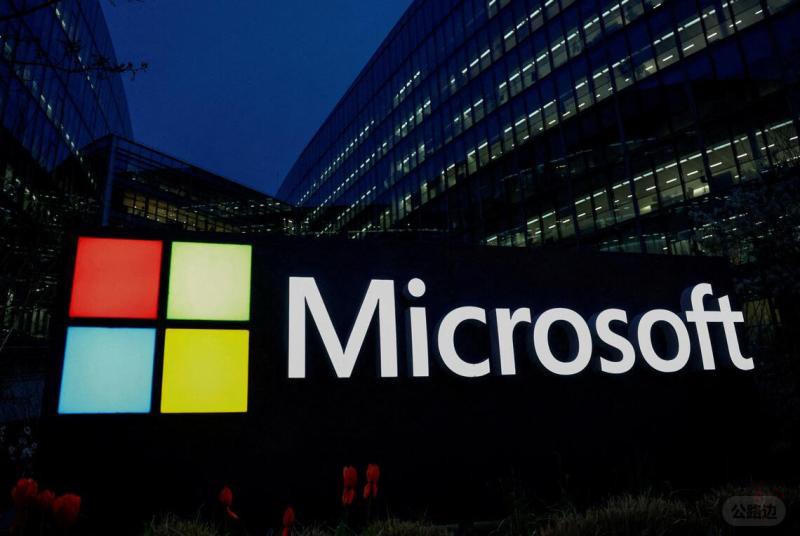
Global tech giant Microsoft announced on Tuesday its plan to invest $17.5 billion (approximately 22.7 billion Singapore dollars) in building AI infrastructure in India, marking the company's largest investment in Asia to date.
According to Agence France-Presse, Nadella stated in the social media post: "To support India's developmental ambitions, Microsoft is committing $17.5 billion—our largest investment in Asia—to help build the infrastructure, skills, and sovereign capabilities India needs for its AI future."
However, he did not disclose further details. The announcement came after Nadella met with Indian Prime Minister Narendra Modi in New Delhi, where he also thanked Modi for an "enlightening conversation" on India's AI opportunities.
Earlier this year, Nadella had announced a plan to invest $3 billion in India over two years for AI and cloud infrastructure development.
In 2025, several global tech giants have announced large-scale investments in India. It is estimated that by the end of this year, India's internet user base will exceed 900 million.
The AI sector has garnered particular attention. AI developer Anthropic announced in October its plan to open an office in India, with CEO Dario Amodei having also met with Modi.
In the same month, Google announced it would invest $15 billion in India over the next five years, planning to build a large data center and AI hub in the country.
OpenAI has also stated its intention to establish an office in India. Over the past year, the usage of ChatGPT in India has quadrupled.
AI company Perplexity announced a major partnership with Indian telecom giant Airtel in July, offering one year of free Perplexity Pro subscriptions to Airtel's 360 million users.
However, India's efforts to become a global tech and AI hub have clashed with its increasingly stringent digital regulatory policies.
Recent media reports indicate that authorities are formulating plans to ensure manufacturers enable an unshakable satellite positioning and tracking function in smartphones, a proposal that has raised concerns among human rights organizations.
|

 Fear of God ESSENTIALS Hoodie Review: Mi86 人气#fashion
 The Derby of San Francisco Style 300 Cha112 人气#fashion
 Why the Derby of San Francisco Classic S130 人气#fashion
 Romaoss Launches "Rebirth Plan," in Talk70 人气#tech



 WeChat
 douyin