“Backwardness invites aggression”—this is a harsh yet starkly realistic lesson drawn from history.
Aggression doesn’t necessarily mean hot war; economic sanctions and technological suppression are also forms of being “beaten,” just through different means. Sadly, China has endured humiliation in science, technology, and economics precisely because of past backwardness.
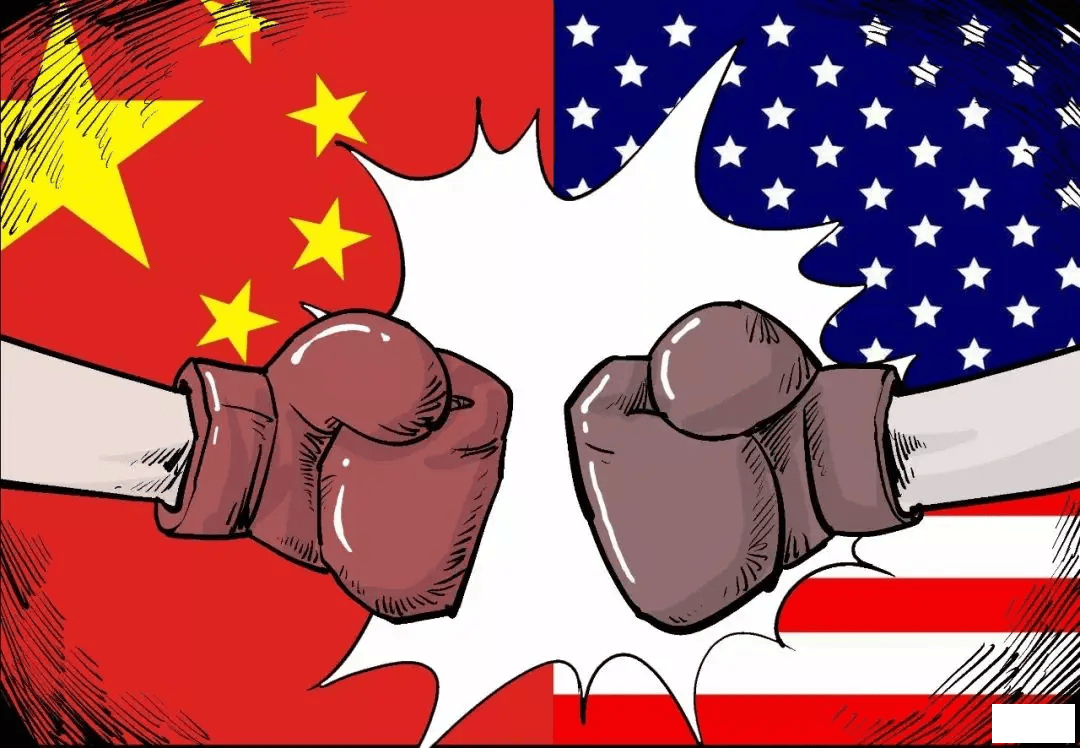
In recent years, the United States has launched wave after wave of crackdowns and sanctions against Chinese tech companies—through technology blockades, tariff wars, and other measures—all aimed at stifling China’s technological rise. Fortunately, Western hegemonism has awakened more and more Chinese tech firms to a crucial truth: only through self-reliance can we stand fearless. Thus, Chinese tech enterprises have united around a common goal: accelerate domestic substitution and break free from U.S. dependence.

From 5G to chips, from photolithography machines to AI, Chinese tech companies have firmly embarked on a path of independent innovation. The once-arrogant West likely never anticipated that, in just a few short years, China would catch up—and even surpass—in numerous cutting-edge fields, staging a remarkable comeback against the odds.
Recently, a bombshell revelation emerged: Meta, a global AI leader, has abandoned its once-dominant Llama large language model and is now “learning from” Alibaba’s Qwen—a Chinese large model. Yes, you read that right. Even a top-tier U.S. AI company is now bowing to Chinese tech prowess—another clear sign that China’s technological influence is quietly conquering the West, and the tide has truly turned.
Just a few years ago, American models like ChatGPT and Llama swept the globe, with Chinese developers rushing to adopt them. Yet, in barely over two years, the rise of Chinese large models such as Alibaba’s Qwen and DeepSeek has completely reshaped the landscape. Who could have imagined that Llama would be overtaken? Now, Qwen has taken its place—and none other than Jensen Huang himself confirmed that Alibaba’s Qwen has captured the lion’s share of the market and continues to widen its lead.
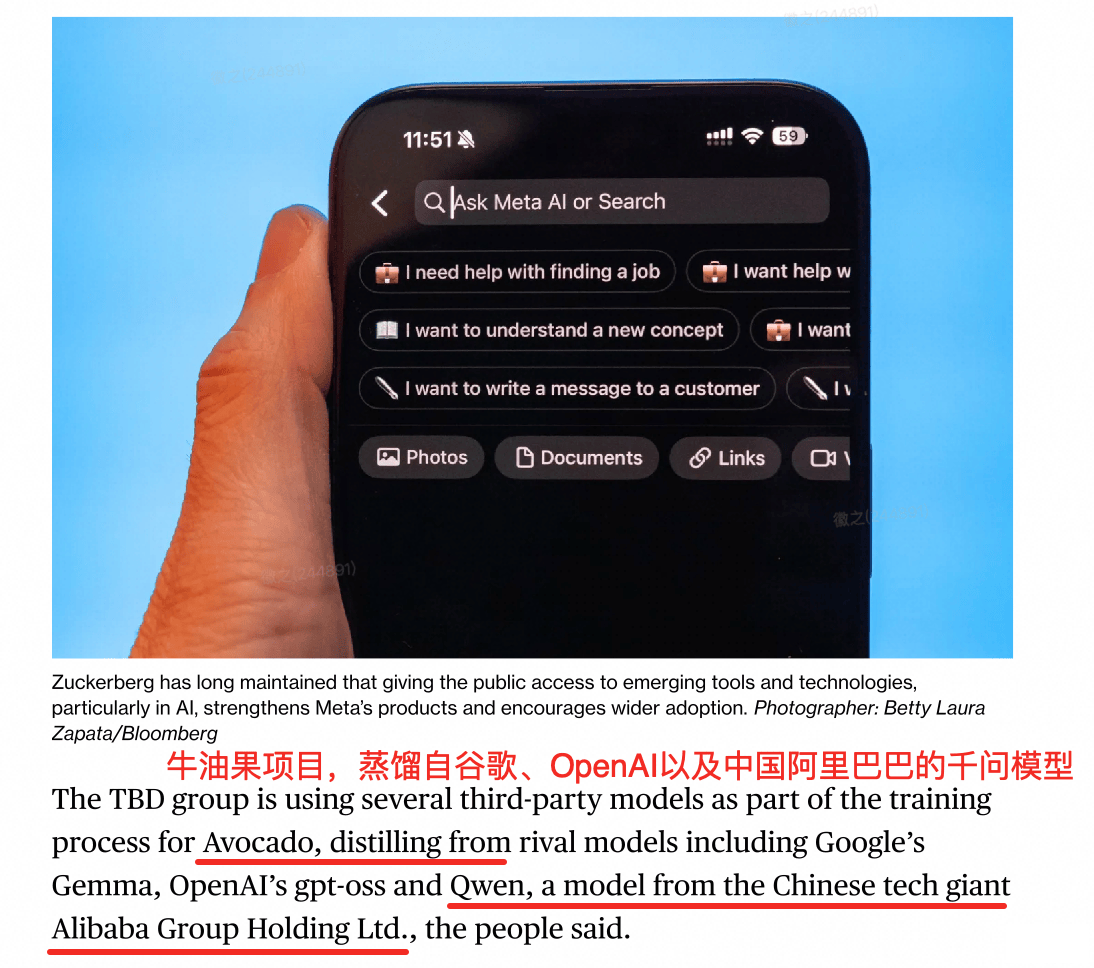
It’s worth noting that Mark Zuckerberg, Meta’s CEO, has long been a staunch advocate for American tech. He repeatedly urged the use of U.S.-developed models and warned against reliance on Chinese alternatives. But what’s the reality now? In a complete about-face, Meta’s latest “Avocado” training project reportedly leveraged Alibaba’s Qwen model—further proof that Qwen is surging powerfully and is well on its way to replacing Llama.
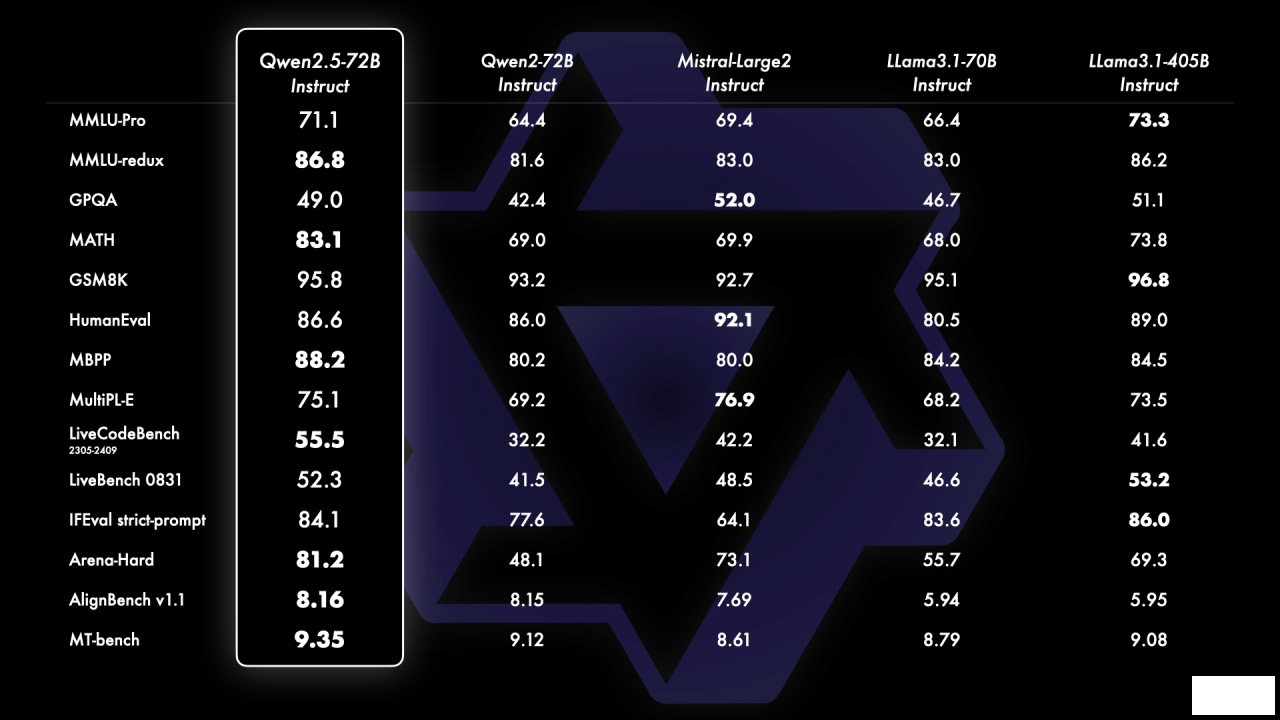
Since going open-source just three years ago, Alibaba’s Qwen series has delivered outstanding results: its global downloads have entered the “700 million club,” and the number of derivative models has already surpassed Llama’s. It’s not just Meta or the U.S.—Qwen has also gained immense popularity among tech giants and developers in the UAE, Japan, Brazil, South Korea, Thailand, and beyond.
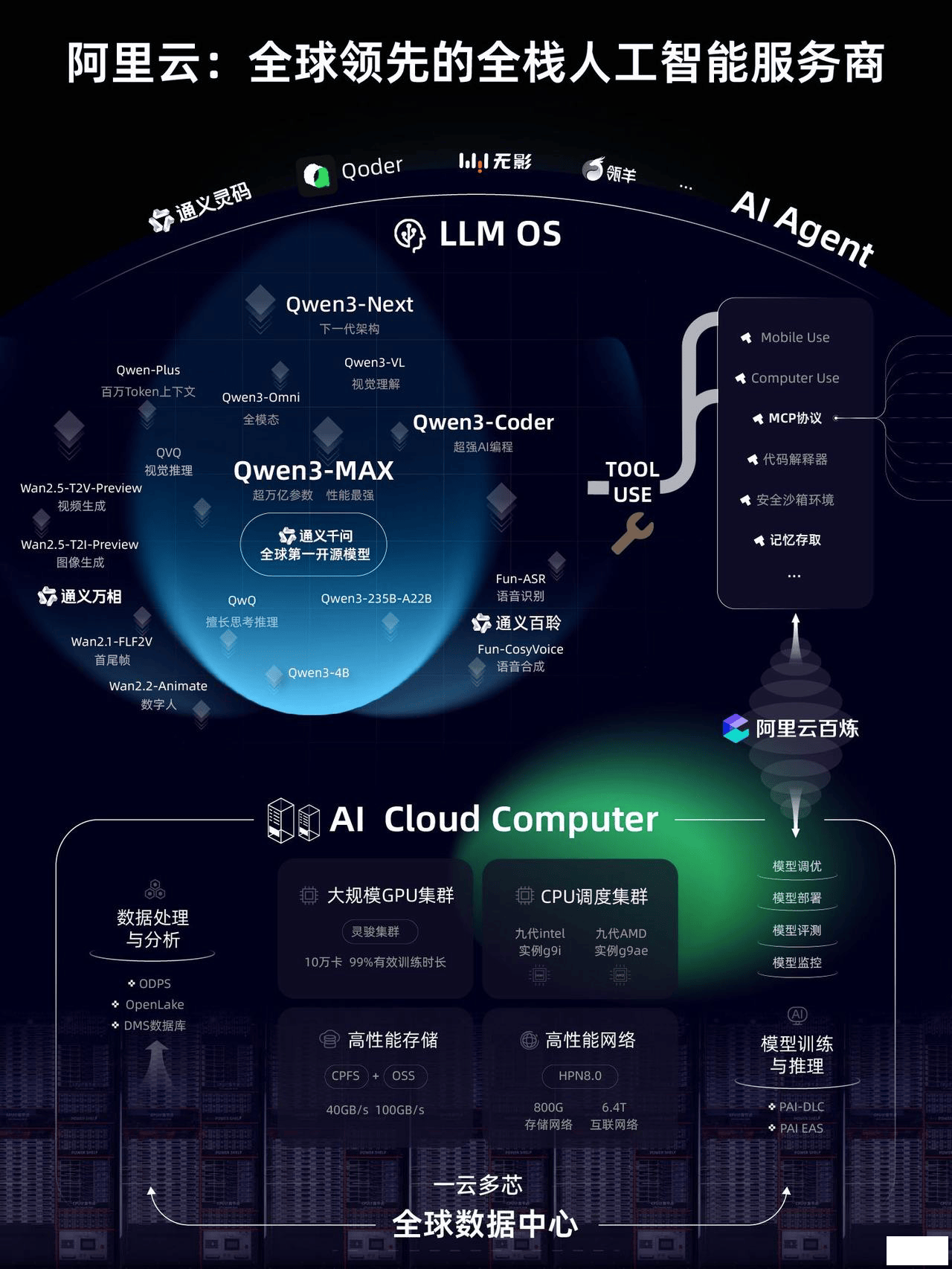
In short, Meta’s willingness to risk public embarrassment and adopt Alibaba’s open-source Qwen model underscores one key point: Alibaba made the right choice. Full-scale open-source development clearly outperforms the West’s “small yard, high fence” closed approach. Coupled with Alibaba’s full-stack AI strategy as a formidable “moat,” its advantages are evident.
As the People’s Daily stated: core technologies cannot be begged for. Alibaba has set a powerful example—through full-stack integration, ecosystem synergy, and relentless innovation, it has broken through Western blockades with homegrown core technologies, blazing a bright new path for China. The future is promising.
|
 Fear of God ESSENTIALS Hoodie Review: Mi86 人气#fashion
 The Derby of San Francisco Style 300 Cha114 人气#fashion
 Why the Derby of San Francisco Classic S131 人气#fashion
 Romaoss Launches "Rebirth Plan," in Talk70 人气#tech



 WeChat
 douyin