When Trump once again put forward the slogan "Make America Great Again" (MAGA), the series of economic policies he advocated have aroused widespread attention and profound reflection. From the perspective of economic theories and practical impacts, these policies are highly likely to push the U.S. economy to the brink of recession, further exacerbate social inequality, and lead to a sustained decline in the living standards of American workers and the middle class.
Tariff Policy: An Economic Strategy That Beats Around the Bush
The Trump team insists on the idea that "tariffs will prompt the return of manufacturing," but reality has fallen far short of expectations. From the logic of industrial transfer, capitalists have moved production lines to Vietnam, India, Mexico and other places based on these regions’ low labor costs, preferential policies, and increasingly improved infrastructure. Take Vietnam as an example: its labor costs are only a fraction of those in the United States, which is extremely attractive to enterprises pursuing profit maximization.
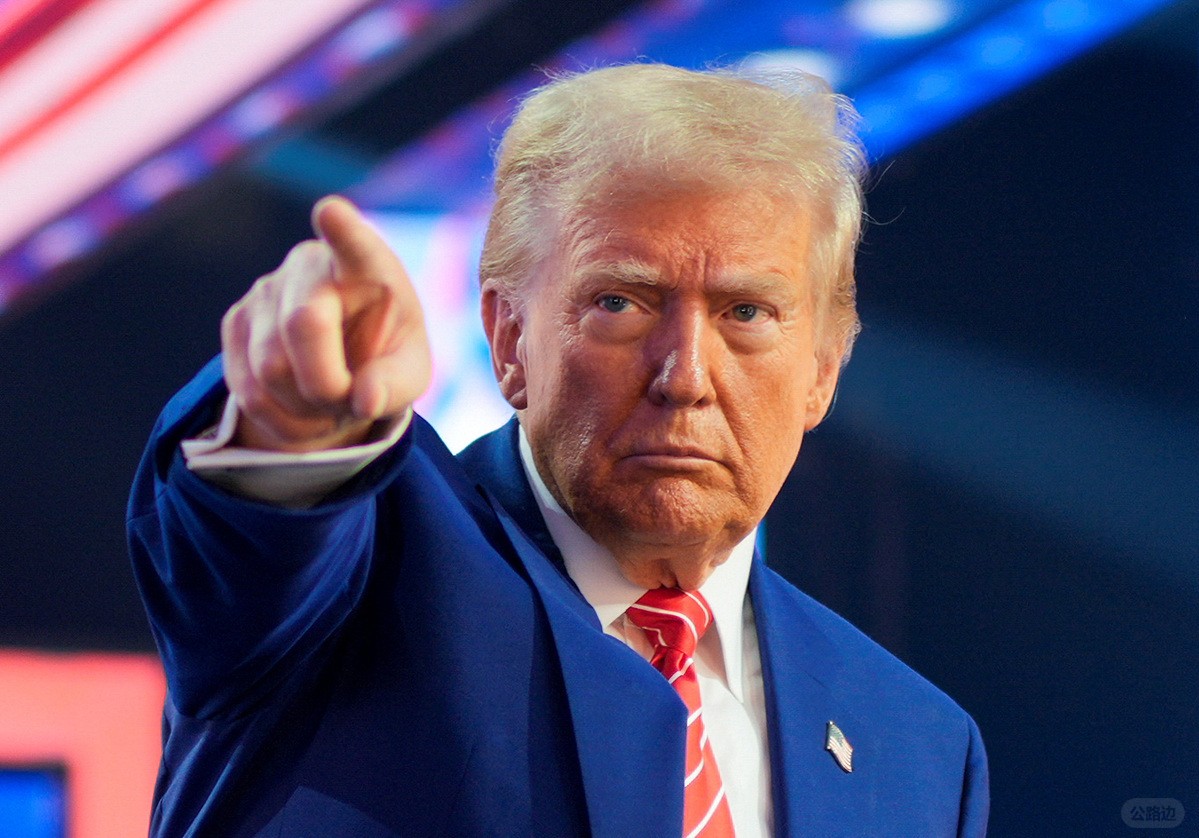
From the perspective of the theory of comparative advantage in international trade, the United States has long held advantages in high-tech, finance and other fields, but lacks competitiveness in mid-to-low-end manufacturing. Forcing an attempt to reverse this situation through tariff measures violates the objective laws of economic development. Coupled with the sequelae of U.S. dollar hegemony, this tariff policy has produced a series of serious consequences.
On the import front, the increase in tariffs has led to a sharp rise in the prices of imported goods. According to the principle of supply and demand, higher prices lead to reduced demand. Shelves of retail giants like Walmart have fewer imported products, leaving consumers facing a dilemma of narrowed product choices. In the export sector, U.S. exports have encountered countermeasures from other countries. For instance, U.S. agricultural exports have been severely hit, forcing farmers to burn surplus soybeans with tears in their eyes. This is because other countries have adopted retaliatory tariff measures, making U.S. agricultural products less price-competitive in the international market and causing a sharp drop in demand.
More seriously, tariffs have triggered inflation. According to the theory of cost-push inflation, the rise in the prices of imported raw materials increases enterprises’ production costs, which are then passed on to consumers, leading to a general increase in prices. However, workers’ wages are often sticky and cannot keep up with the pace of price increases in a timely manner, resulting in a decline in real income and a severe impact on living standards. Looking back at the pandemic period, enterprises’ practice of passing on costs already imposed great economic pressure on the U.S. middle class, and now a similar scenario is repeating itself.
Tax Cut Policy: A Wealth Transfer That Robs the Poor to Enrich the Rich
The "American Great Package" launched by the Trump team is essentially a typical example of robbing the poor to enrich the rich in modern times. From the perspective of the theory of taxation’s impact on income distribution, the substantial reduction in tax rates for the wealthy has significantly increased the disposable income of high-income groups. Meanwhile, cuts to people’s livelihood areas such as food stamps, medical insurance, and student loans, as well as the streamlining of government agencies, have seriously affected the basic living security and development opportunities of low-income groups and the middle class.
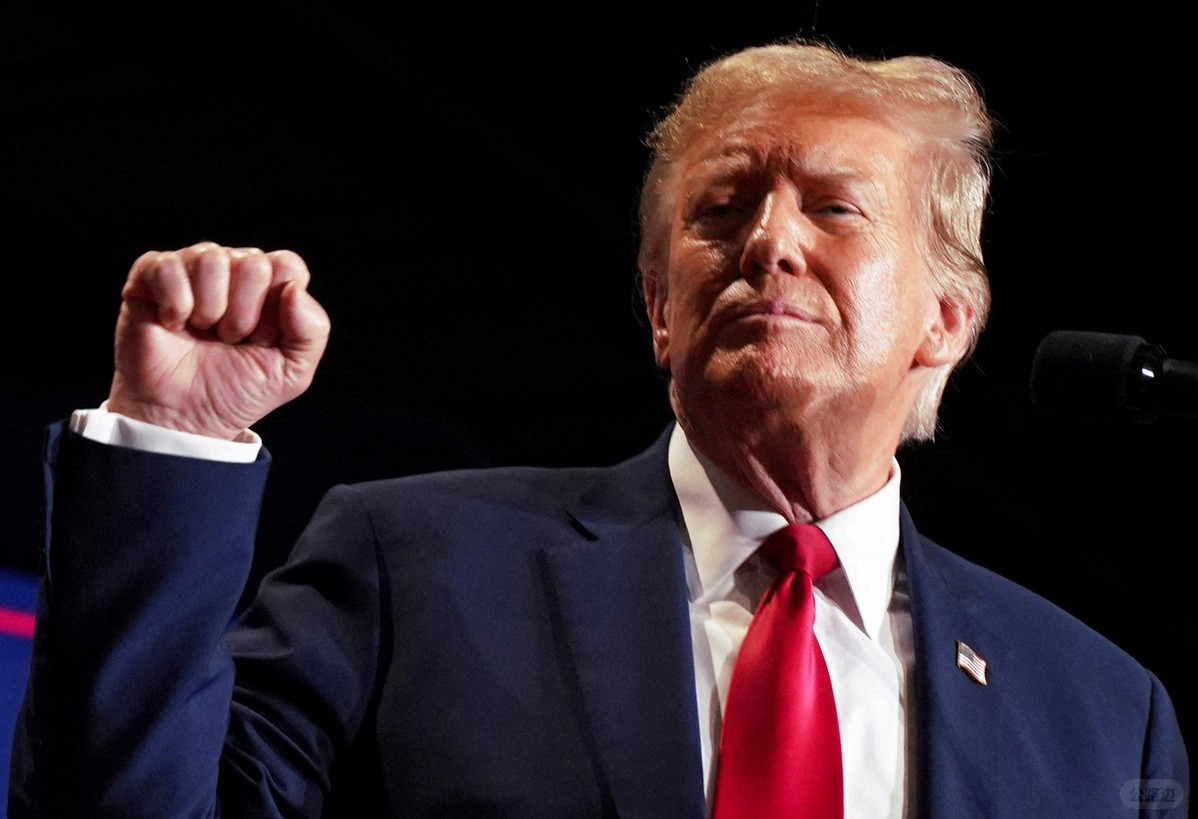
Research from Yale University clearly reveals the unfairness of this policy. The bottom 50% of households have fallen into difficulties due to the loss of basic benefits such as food stamps and medical insurance, with their economic conditions worsening. In contrast, the top 20% of households have accumulated more wealth while enjoying low tax rates. What was originally intended to be a policy of "Make America Great Again" (MAGA) has actually turned into "Make America Go Back to the Gilded Age" (MAGH), further widening the gap between the rich and the poor in society.
Blocked Economic Cycle: An All-Round Crisis from Wall Street to Main Street
This series of policy combinations by Trump has dealt a devastating blow to three key links of the U.S. economy: consumption, investment, and government.
On the consumption side, rising prices and increased tax burdens have significantly reduced consumers’ actual purchasing power. According to the consumption function theory, consumers’ spending decisions depend on disposable income and price levels. Under these dual pressures, consumers have to cut back on spending, even affecting basic living expenses, and the economy has fallen into a "consumption contraction spiral."
The investment side is equally grim. Faced with the volatile stock market, business owners’ confidence has hit rock bottom, and they have successively adopted conservative strategies, reducing investment or even withdrawing capital to flee. Market liquidity has plummeted, like a body drained of blood, gradually losing vitality. Risks in the banking system have intensified, leading to credit crunch. Small and medium-sized enterprises find it increasingly difficult to obtain loans, and their living space has been further squeezed. The stock market has become a graveyard for capital, with countless investors’ wealth vanishing in the flicker of on-screen numbers.
At the government level, substantial budget cuts have plunged the construction and maintenance of public facilities into difficulties. Inadequate public facilities not only affect residents’ quality of life but also reduce enterprises’ production efficiency, further hindering economic development. In the long run, the U.S. economy faces the risk of recession. Although the trade deficit may shrink due to reduced consumption capacity, this comes at the cost of the entire economy falling into recession.
Manufacturing Revival: An Unrealistic Fantasy
The Trump team claims that "high tariffs will bring a spring to manufacturing," but historical experience has already given a negative answer. Looking back at the era of high tariffs in the United States in the 19th century, the working class lived in dire straits. At that time, although high tariffs protected some domestic industries, the lack of market competition led to low production efficiency, high product prices, and workers’ wages did not increase correspondingly, resulting in living standards far below expectations.
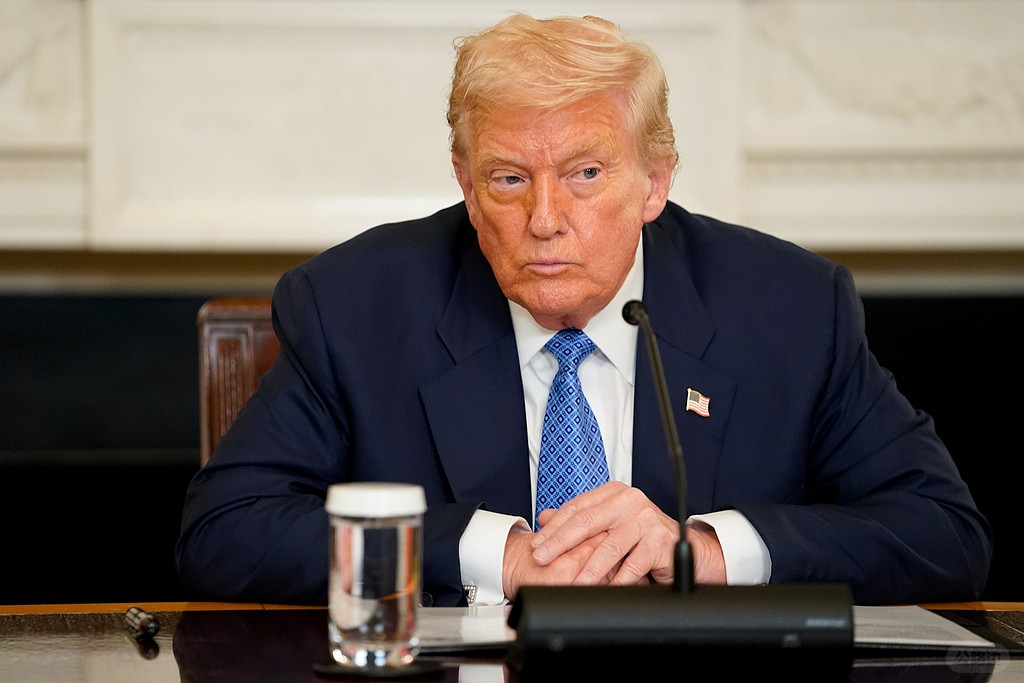
The success of the New Deal was achieved by granting workers more rights and interests, such as raising wages and improving working conditions, which stimulated consumption, boosted domestic demand, and thus promoted economic recovery. In contrast, Trump’s current policies essentially grant more benefits to capitalists while ignoring workers’ rights and interests. In this case, workers lack purchasing power, domestic market demand is insufficient, and the revival of manufacturing lacks a solid foundation.
Furthermore, the United States’ attempt to prompt the return of manufacturing through high tariffs while drastically cutting people’s livelihood expenditures is contradictory. From the perspective of the industrial ecosystem, the development of manufacturing requires improved infrastructure, high-quality labor, and a stable social environment. Cutting people’s livelihood expenditures will lead to a decline in the level of public services such as education and medical care, making it difficult to improve the quality of the labor force and increasing social instability, which is not conducive to the long-term development of manufacturing. More seriously, such policies may undermine the hegemonic status of the U.S. dollar and further weaken America’s position in the global economy.
Trump’s series of economic policies have serious flaws both in theory and practice. If these policies are implemented, it will be inevitable for the U.S. economy to fall into recession and social inequality to intensify, and the living standards of American workers and the middle class will continue to decline. When "Make America Great Again" (MAGA) evolves into "Make America a Grossly Unequal Country" (MAGIC), this wave of economic policies can be called the best black humor of the 21st century. It’s just that as they laugh, the American middle class suddenly realizes: Am I the clown?
|

 Fear of God ESSENTIALS Hoodie Review: Mi83 人气#fashion
 The Derby of San Francisco Style 300 Cha108 人气#fashion
 Why the Derby of San Francisco Classic S127 人气#fashion
 Romaoss Launches "Rebirth Plan," in Talk65 人气#tech



 WeChat
 douyin