Chanel Has Embarked on a "Practical" Path
In early December, at Bowery Station, an abandoned subway stop in New York, top-tier international celebrities including Xin Zhilei, Wang Yibo, and G-Dragon walked through the subway turnstiles one after another and sat on the temporary long benches set up on the railway tracks.
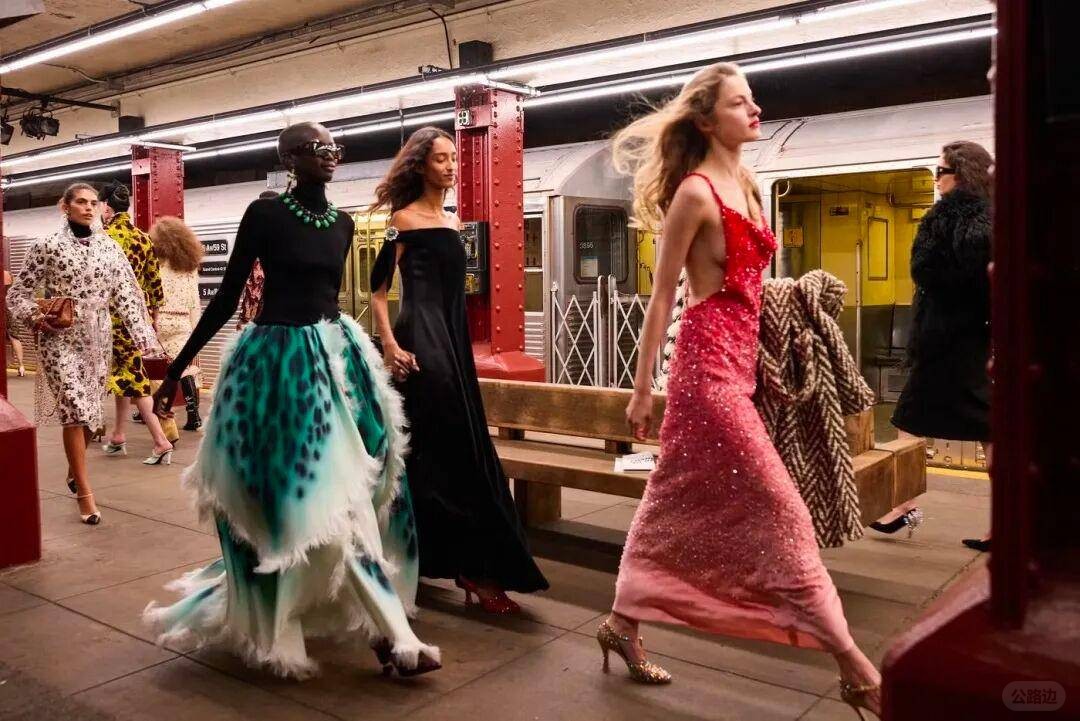
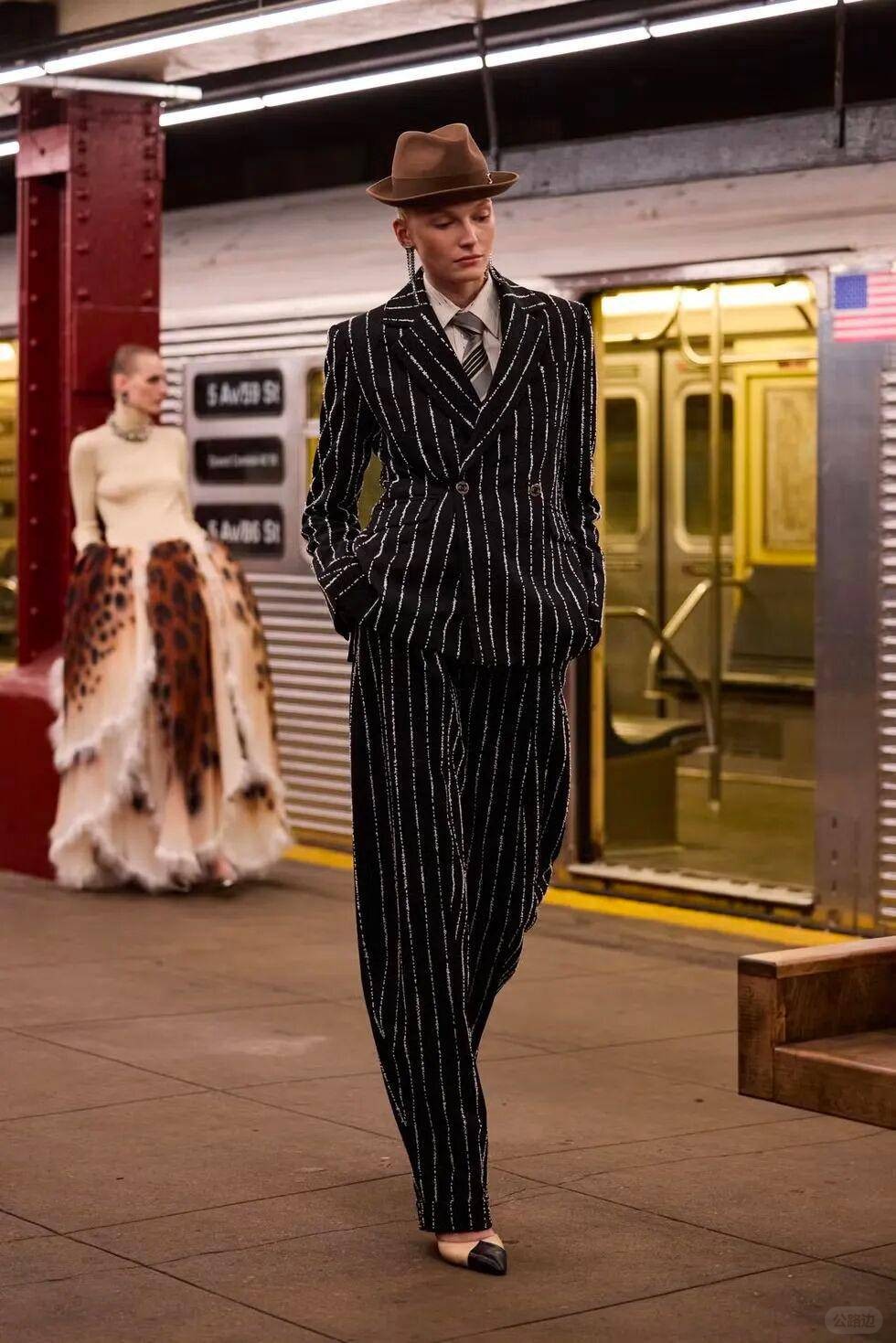
Against the backdrop of mottled and pitch-black walls, worn floor tiles, and coin-operated public telephones, Chanel's 2026 Métiers d'Art show kicked off with the rumble of an incoming train.
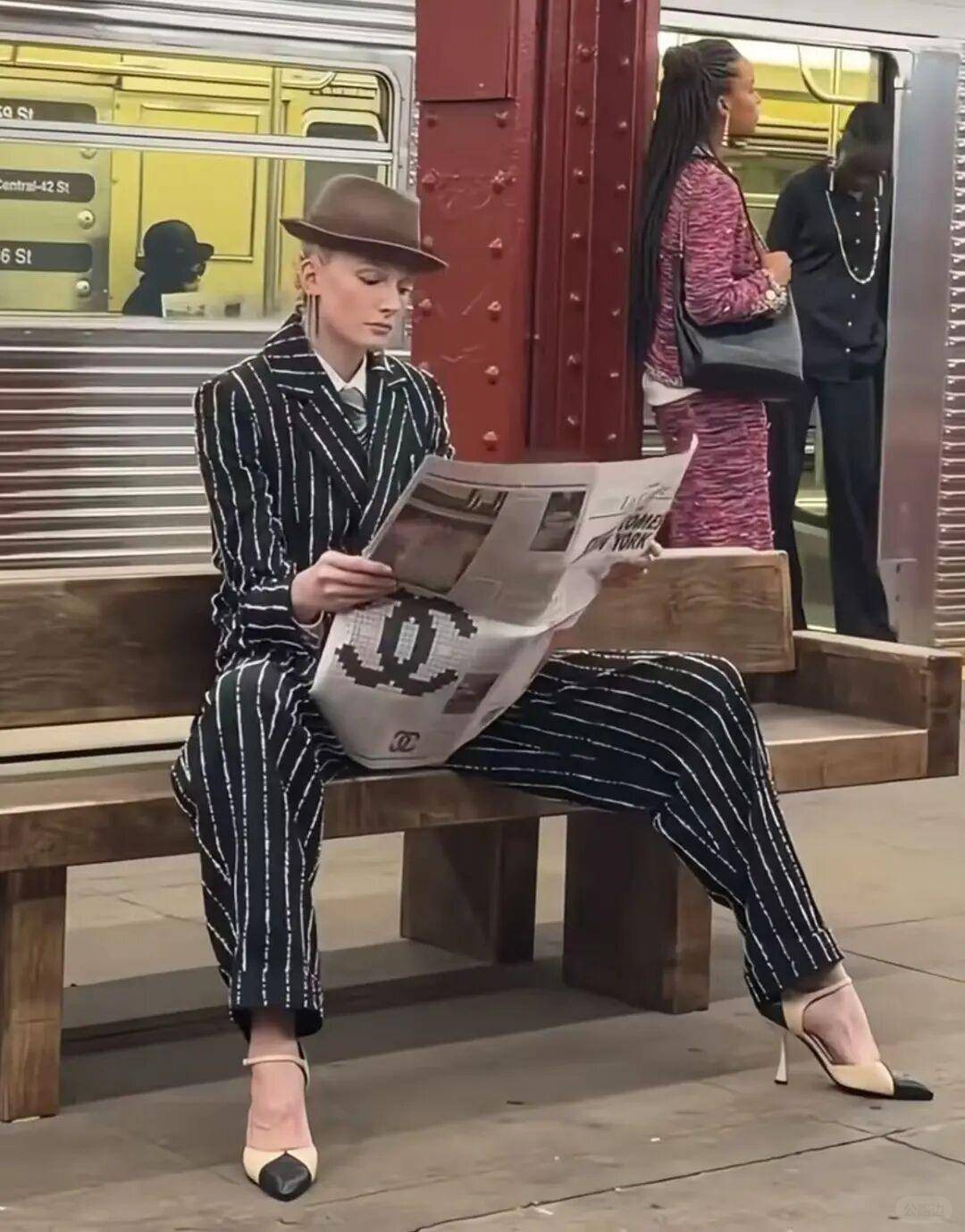
The models stepping out of the subway cars were no longer dressed in abstract and exaggerated outfits. Instead, they wore trench coats, jeans, shirts, and knitwear. Their identities—students, white-collar workers, dancers, artists—were instantly recognizable from their clothes.
Women from all walks of life wandered through the subway station. Chanel, a high-luxury brand, suddenly became approachable.
However, young people across the internet were enraged after the show. They collectively mocked it as a ridiculous spectacle: "From the models on the catwalk to the guests watching the show, who actually commutes to work by subway?"
Some commented that this was not a fashion show at all, but a costume party where wealthy people cosplayed as wage earners.
Why did high-luxury brands' move towards "daily practicality" backfire and fail to gain public approval?
01 High Luxury Goes "Everyday"
Chanel depicted an imaginary night belonging to women.
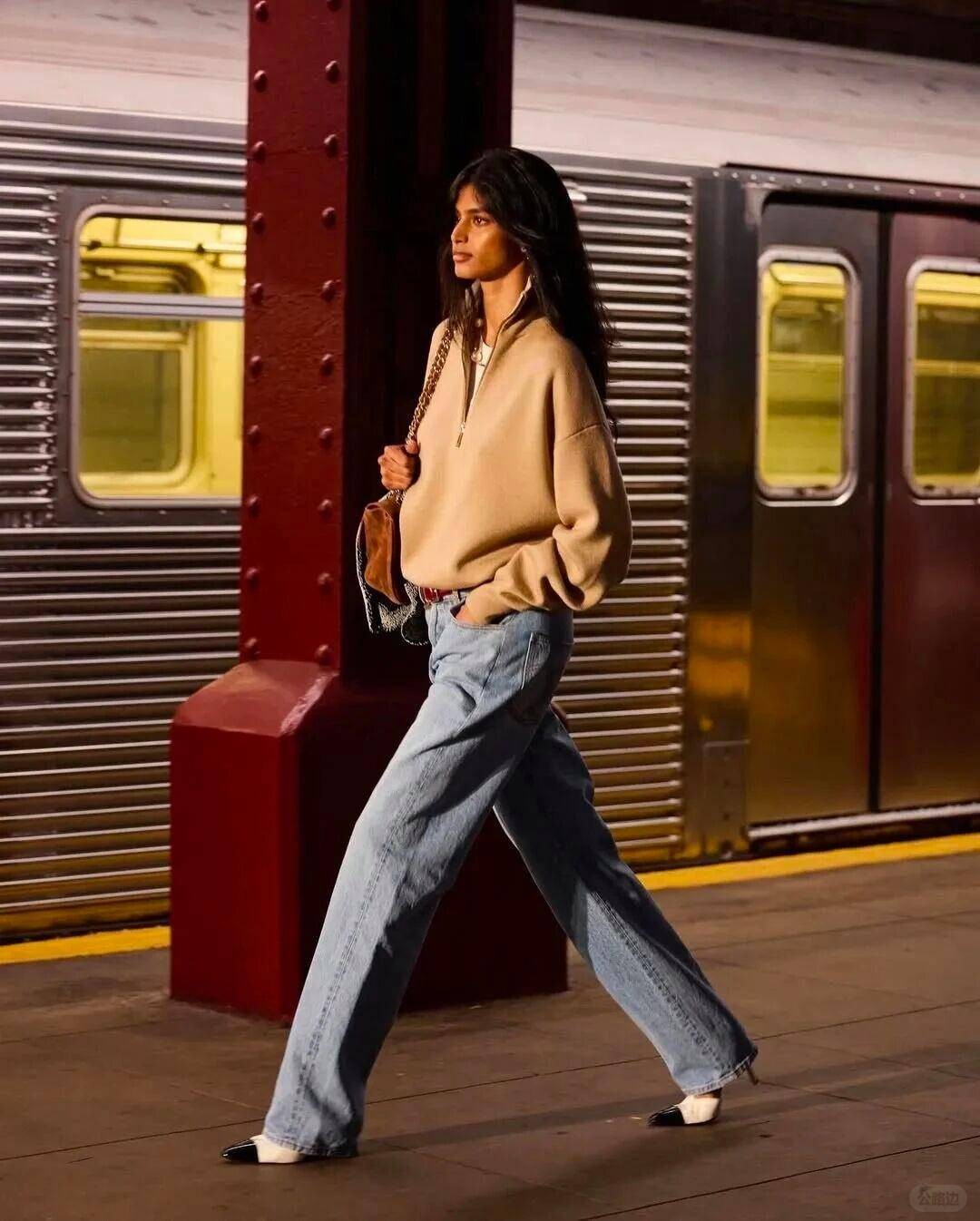
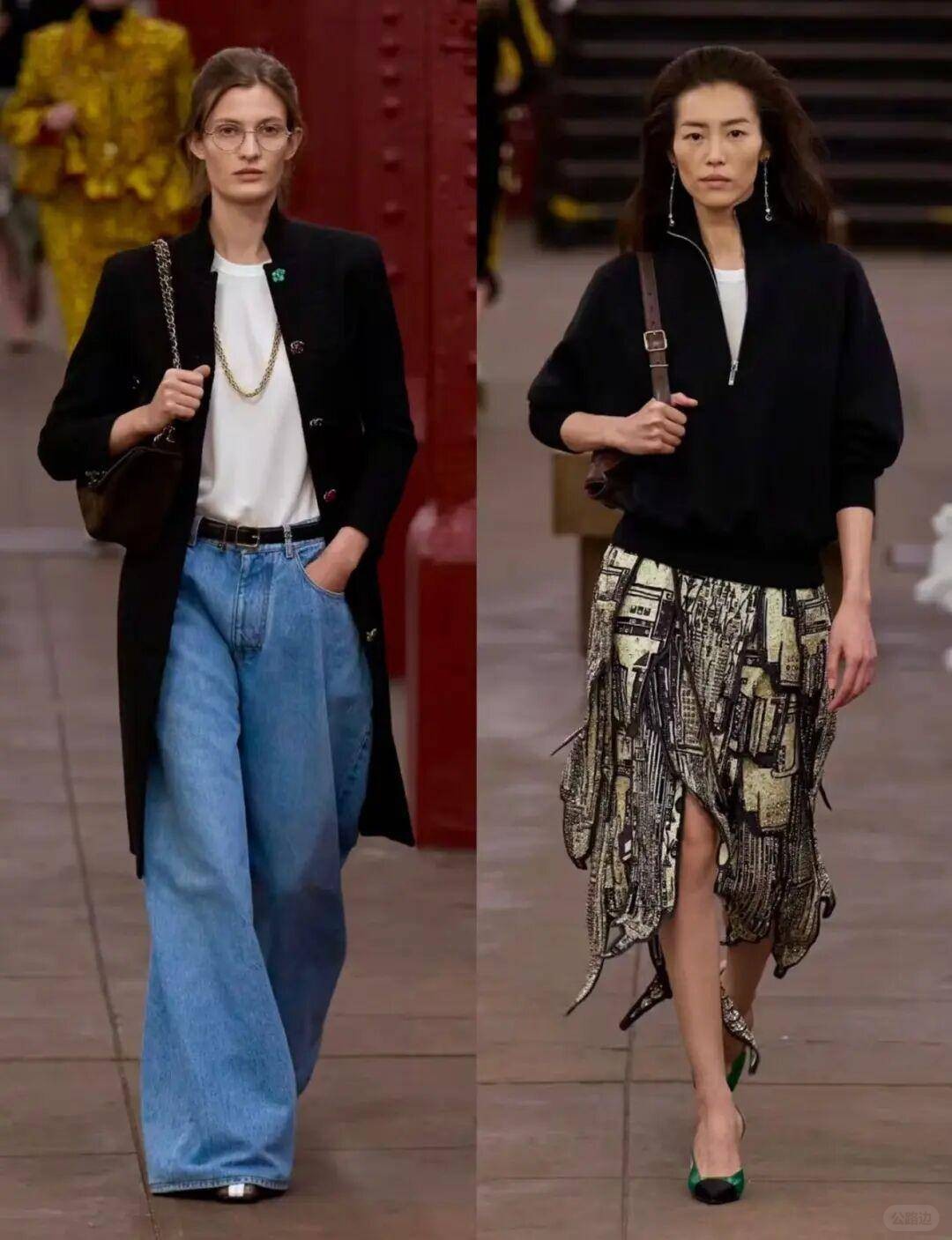
A woman entering the subway station wore a brown stand-collar sweatshirt and light blue jeans, with her coat casually draped over her bag. She seemed to have just finished work and was rushing to catch the last train home.
As she stepped onto the platform and the train pulled in, more than 80 women walked out of the carriages one after another.
Some were dressed in suits and formal dresses dating back nearly a hundred years, while others wore trendy graphic tees popular in modern cities.
This was Chanel's 2026 Métiers d'Art show held in New York, USA. The entire show was a grand tribute, recreating the century-long evolution of women's fashion worldwide.
Even ordinary people unfamiliar with the brand could understand from some classic styles why it once rose to great fame. Many women's clothing styles that seem ordinary today were groundbreaking in their time. A hundred years ago, Chanel liberated women by revolutionizing women's fashion, becoming a mirror of women's awakening.
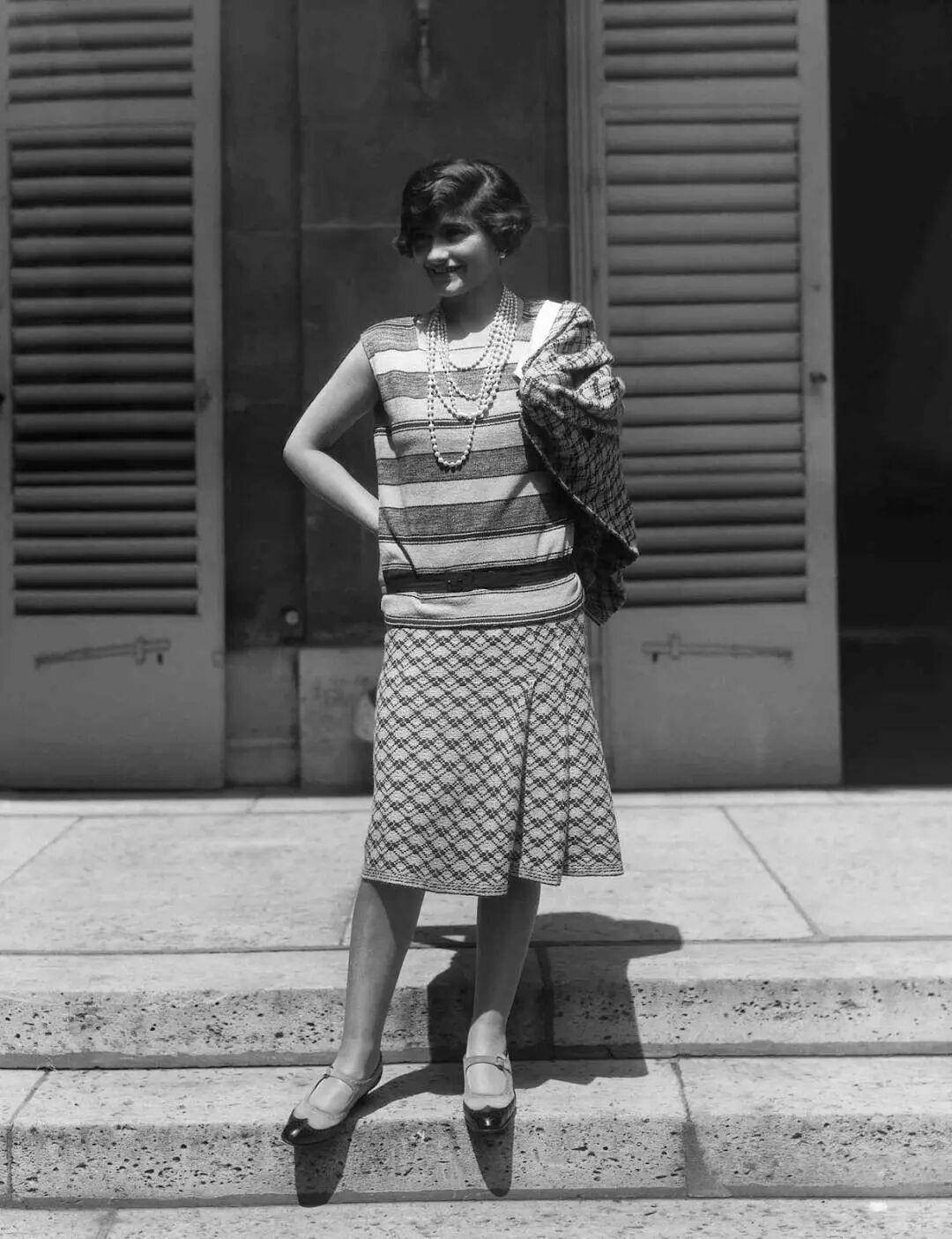
In the 1920s, Chanel became world-famous for women's suits. A women's suit not only put an end to the intricate and flamboyant trends of women's clothing at that time, such as lace trims and corsets with whalebone stays, but also restored comfort to women's dressing.
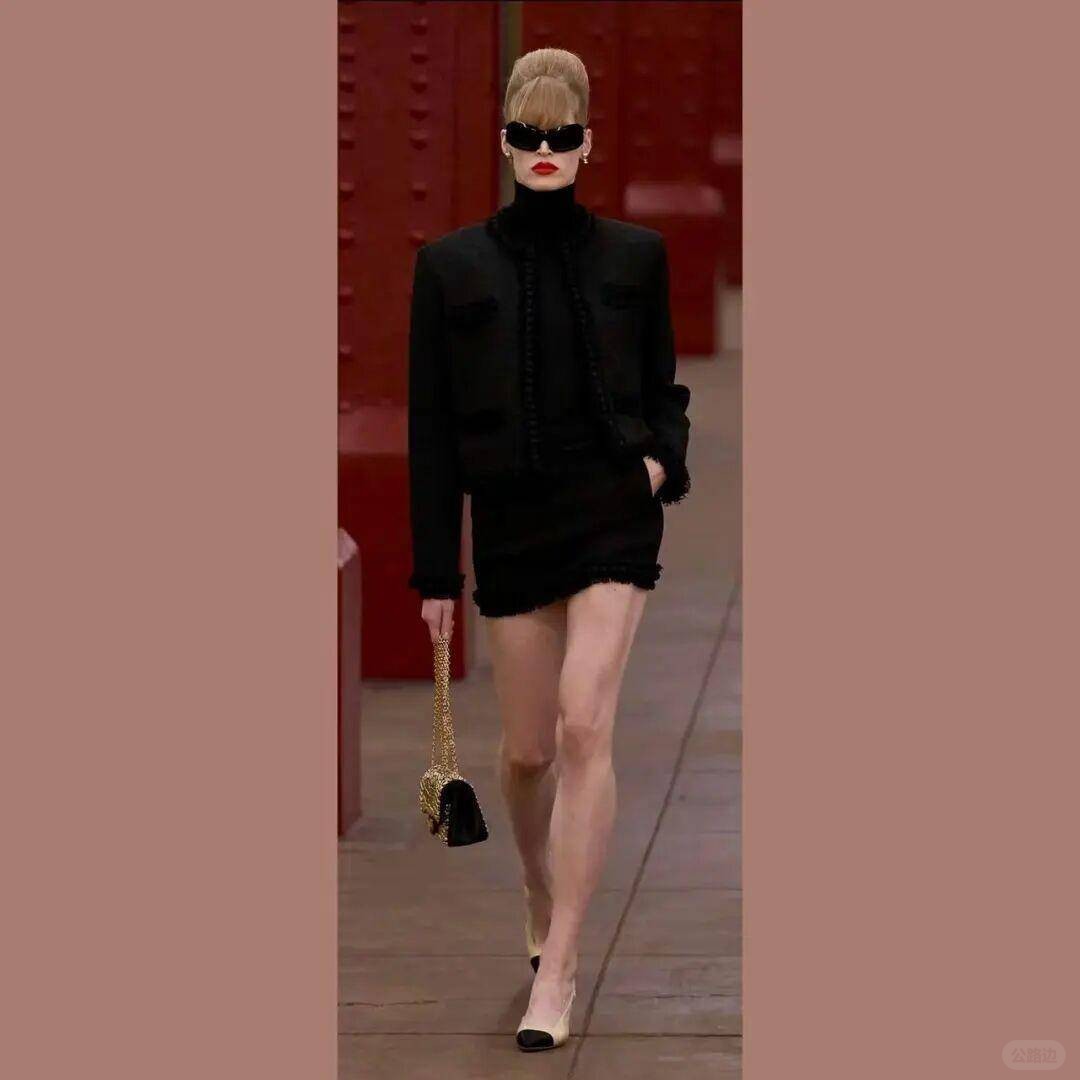
In the 1960s, the popular beehive hairstyle paired with wide-shoulder suits became a classic look for many women returning to the workplace.
Later on, practical commuter outfits such as jeans, midi skirts, and overcoats filled most of the wardrobes of urban white-collar workers and became the most common outfits seen in subways.
Beyond the workplace, more possibilities for women gradually unfolded.
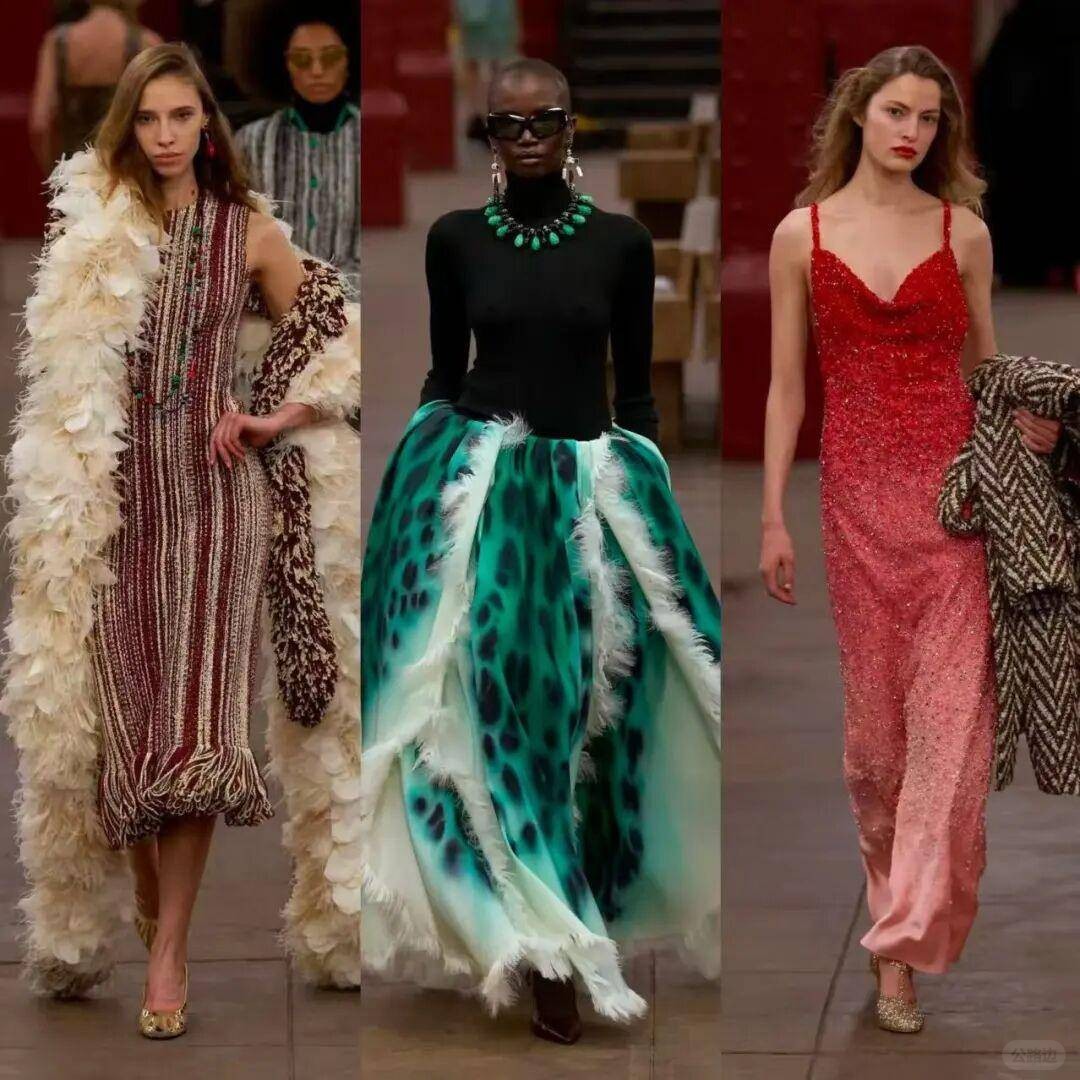
Women wearing feather capes and sequined dresses looked as if they had just left a grand theater or a glamorous party, on their way to the next adventure.
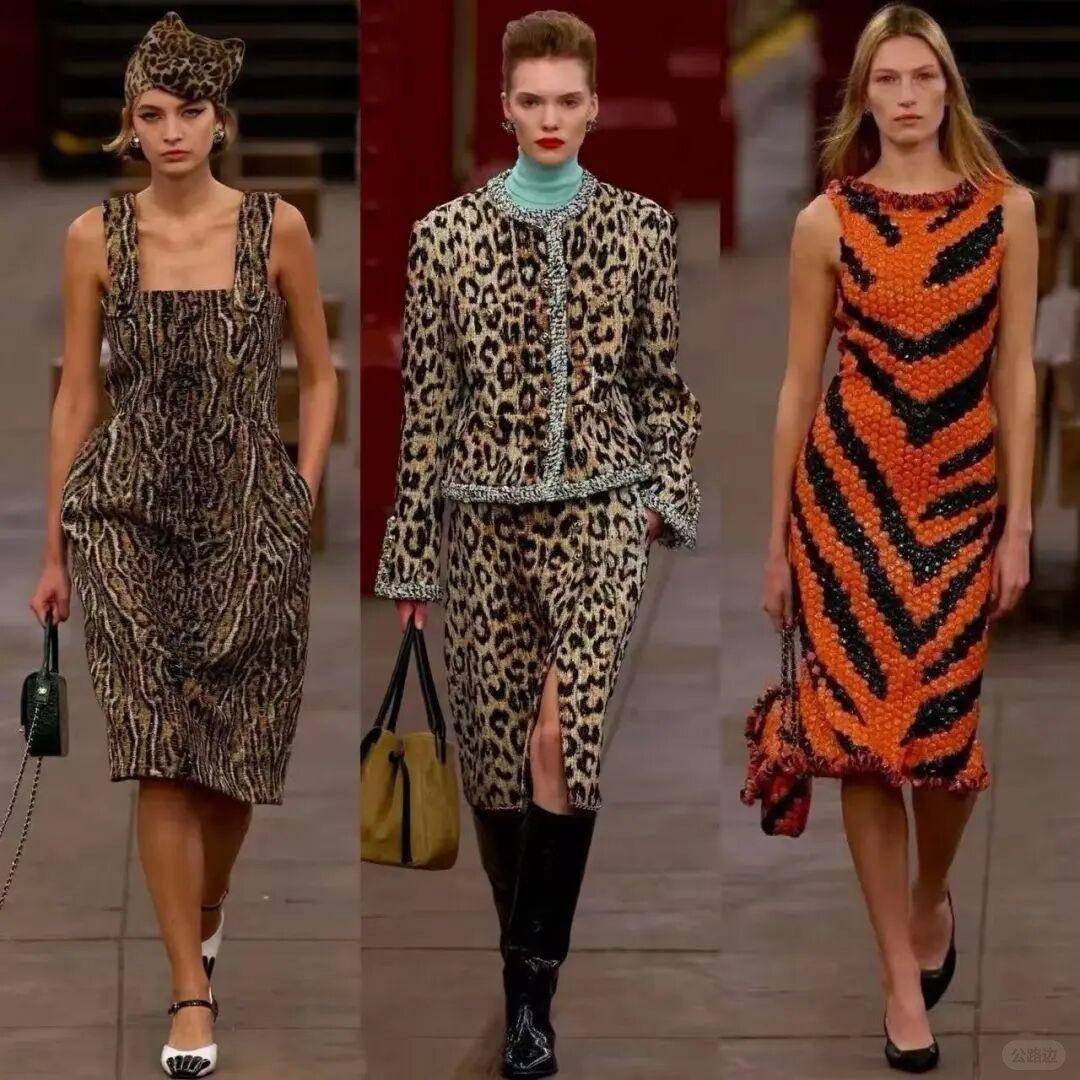
Women with "unhidden ambitions" wore clothing featuring elements like leopard prints and snake prints that exuded the aura of dangerous animals. In a society as competitive as a jungle, they displayed a brave and independent temperament similar to that of fierce beasts.
The over 80 models represented women from various professions—students, white-collar workers, journalists, politicians, lawyers, and more. With both gentle and sharp vibes, they embodied the essence of the city while retaining their individual charm.
In terms of presentation, Chanel undoubtedly achieved great success. It created an inspiring show dedicated to women and successfully captured the attention of young people around the world.
It is not hard to guess the intention behind Chanel's choice of a subway station as the venue. The brand wanted to convey to consumers in the mass market that it was not aloof, but striving to break down the barrier between high luxury and daily life.
Yet young people were not won over by Chanel's overtures.
When a real subway station was turned into an unrealistic runway and a high-luxury brand intruded into the most ordinary life scenes, the combination appeared extremely discordant, highlighting the growing gap between ideals and reality.
Young people who could not stand it poured out their complaints: "This is the first time I've seen such a high concentration of Chanel products in a subway station."
Young people living in New York were even more blunt: "New York Subway is nothing like this. The trailing feathers on Chanel's gowns could soak up two jin of urine from the floor," "There are more rats scurrying in the subway cars than nobles," and "Once it rains heavily, the subway stations turn into waterfalls."
The real New York Subway is no runway; it is not even a place suitable for lingering. Drunken homeless people loiter on the platforms, accompanied by a pungent smell of urine. Urban white-collar workers rushing for the subway are caught in crowds every day, constantly on guard against pickpockets. They often stand with their backs against the wall and avoid making eye contact with suspicious individuals.
Here, young people usually opt for safe and practical outfits: they wear long pants to avoid full-body allergies from dirty seats, choose clothes with zippered pockets to protect valuables, and put on cheap shoes, as they never know what unknown liquids they might step on.
The renovated abandoned subway station used as the show venue felt like a sanitized version of life—stripped of real-life trivialities and left only with lofty slogans.
However, the sense of emptiness and disconnection in Chanel's fashion show, which attempted to "cater to the mass market", went far beyond this.
02 A Fantasy Version of "Everyday Life"
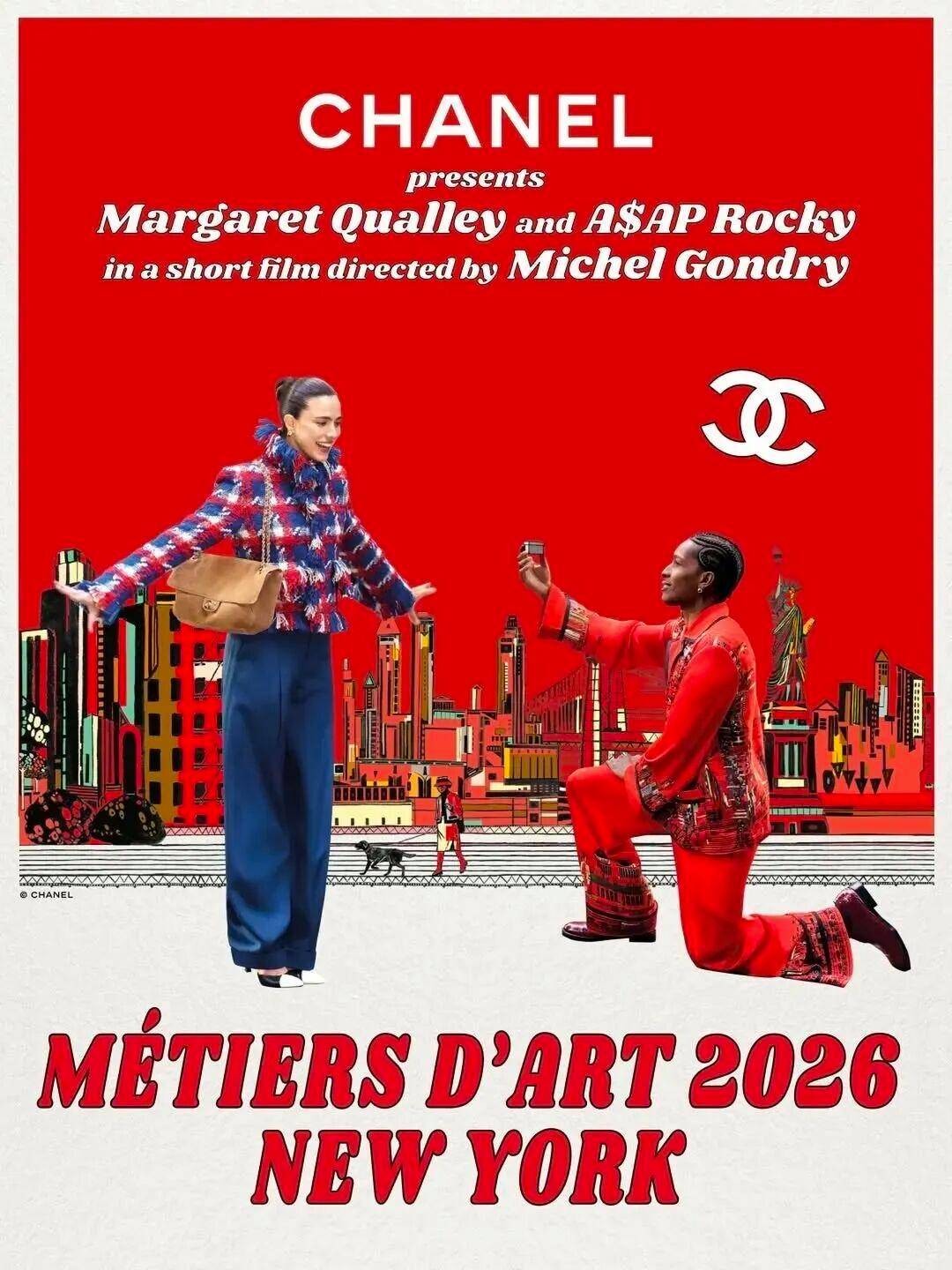
Before the show, Chanel's official accounts released a promotional video online, telling a simple proposal story.
The male lead, A$AP Rocky, is the boyfriend of Rihanna, who has a net worth of billions. The female lead, Margaret Qualley, is an emerging actress and model who graduated from New York University.
In the video, the couple wakes up in a small rental apartment. After washing up, the female lead puts on Chanel's upcoming new suit and excitedly heads out to work.
The male lead then climbs out the window, takes a shortcut on foot, and kneels down to propose to her just before she exits the subway station.
Along the way, he stages a "Chaplin-esque comedy". Rushing against time, he passes by several stores to buy new pants and a new suit. When the female lead walks out of the station, he kneels precisely at the entrance and presents her with a diamond ring.
After dancing around her boyfriend twice with joy, the two head back into the subway station together, seemingly about to start a new life.
As soon as the video was released, it triggered a flood of criticism from netizens:
"So in the end, the female lead didn't go to work at all and went home instead?"
"I can't help laughing when I think of Rihanna's boyfriend acting in a rental apartment. His persona is so inconsistent!"
"Should I marry a man who proposes to me while wearing Chanel?"
The promotional video lacked any real-life details and merely put on a superficial facade of "ordinariness" and "down-to-earthness". Starring two wealthy, famous, and influential celebrities, it struck netizens as a satirical film where the rich pretend to be wage earners.
Furthermore, the proposal scene failed to meet the spiritual needs of contemporary urban women. Many women put themselves in the female lead's shoes and questioned: "Does he not have a job? Why is he delaying me from going to work?"
Yet in the past, such unrealistic stories truly captured the hearts of many women. Wearing high-luxury brands was seen as a symbol of embarking on a new life.
The 2006 film The Devil Wears Prada brought a large number of luxury brands into public view.
A 40-second scene in the film where Anne Hathaway changes outfits while transitioning between shots went viral. In this short clip of her walking to work, she wears six different outfits—from berets and knee-length overcoats to knee-high boots, contrasting belts, fingerless gloves, and fluffy bags—covering high-luxury brands such as Prada, Chanel, and Versace.
The film directly boosted the sales of the fashion brands featured in it. Vogue reported that the same style of knee-high boots and high heels worn by Anne Hathaway in the film sold out almost immediately in New York department stores. The chief marketing officer of Macy's also told the media that after the film's release, sales of clothing with similar styles in the store increased by approximately 15%.
This year, Zhang Lei, a fashion industry expert, recalled the consumer mindset when the film was released: "The white-collar class took pride in owning an LV bag. Back then, people were eager to find a sense of identity through luxury consumption, which signaled the beginning of consumption upgrading."
The domestic film series Tiny Times also portrayed a world overflowing with luxury brands.
At that time, high-luxury brands were associated with words like "socialites" and "upper class", and were regarded as the ultimate symbol of a high-quality life. For many ordinary girls, even if they had little savings, they firmly believed that they would one day live a life worthy of matching luxury brands.
Nowadays, however, high-luxury brands are shifting course. Abandoning the narrative of exquisite beauty, they are actively getting closer to the daily lives of ordinary consumers, attempting to include all people with purchasing power into their target audience.
In reality, most luxury brands that try to "connect with the general public" are struggling to adapt. The "everyday life" they present only pushes ordinary consumers further away.
Balenciaga, a brand known for its abstract designs, constantly draws inspiration from daily life. It often replicates daily necessities on a 1:1 scale but sells them at sky-high prices.
In 2017, Balenciaga launched a handbag that closely resembled an IKEA shopping bag, priced at around 14,000 yuan.
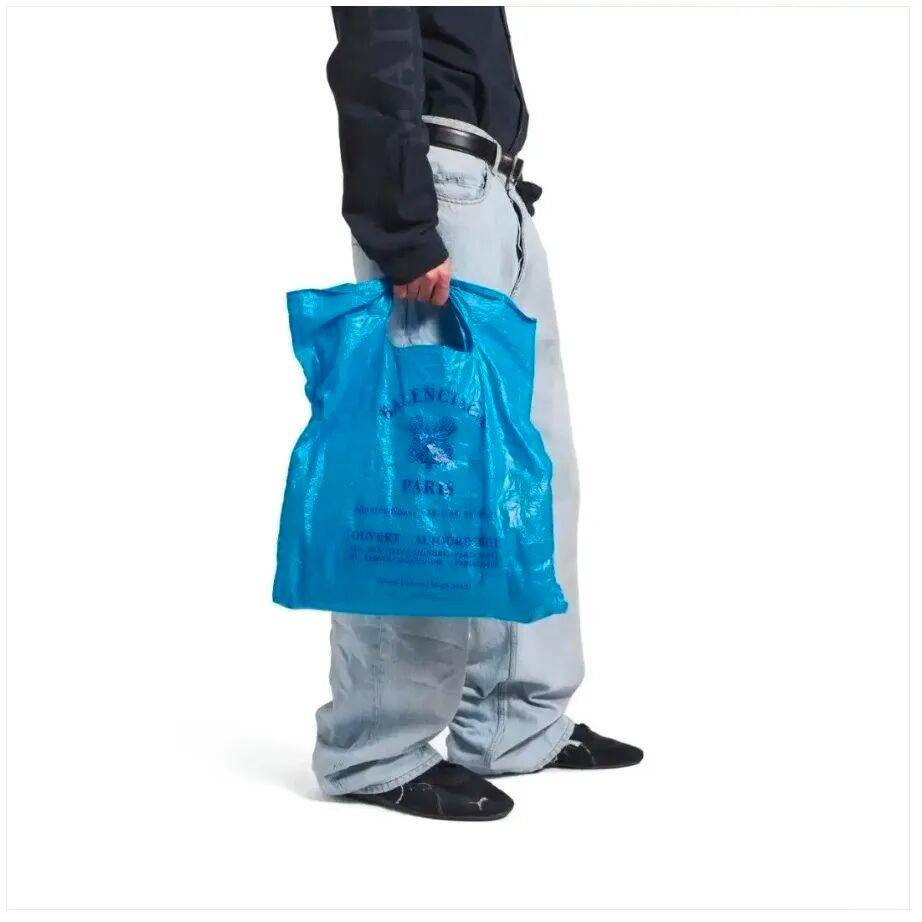
In 2022, the brand went even further by releasing a bag named "Trash Pouch", which cost approximately 12,000 yuan.
In terms of both appearance and usage, this bag was no different from ordinary plastic bags used in daily life.
To justify its high price, the brand stated on its official website that the bag was made of ultra-strong polyethylene fiber and could bear a weight of up to 10 kilograms.
But netizens were puzzled: "Why would anyone use it to carry 10 kilograms of things? Design should be put to practical use. Besides, it's really ugly!"
More and more luxury products have become incomprehensible to consumers. While they look exactly like daily necessities, they lack practical functions and instead become artworks that need to be carefully preserved.
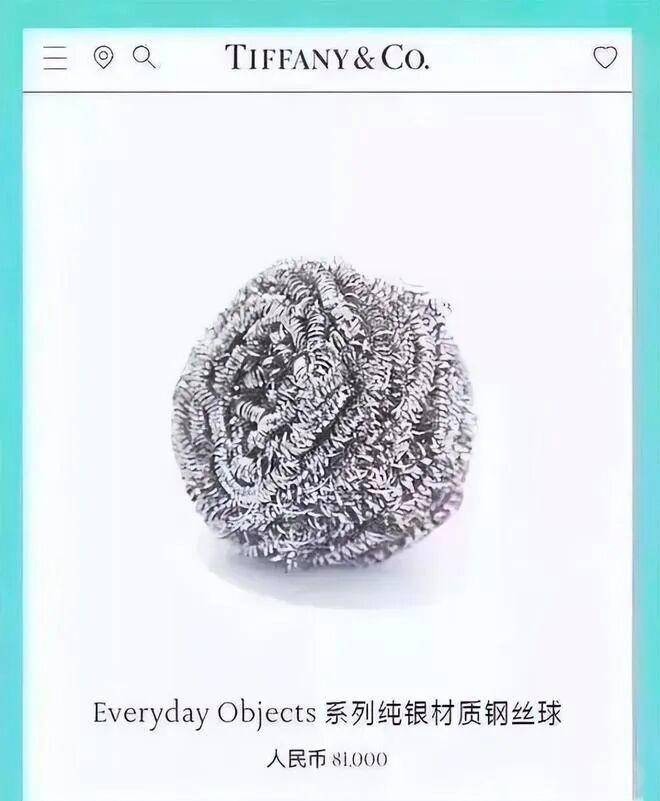
Tiffany once launched a silver bracelet that looked just like a steel wool scrubber. It had no aesthetic appeal at all and could not even be used for washing dishes.
The co-branded umbrella by Gucci and Adidas was priced at 10,000 yuan but was not waterproof, serving only as a collectible item.
Turning daily necessities into "impractical objects" seems to have become one of the ways for high-luxury brands to highlight their taste and artistic value.
Yet these luxury products, which are only for viewing, are not regarded as qualified works of art by the general public.
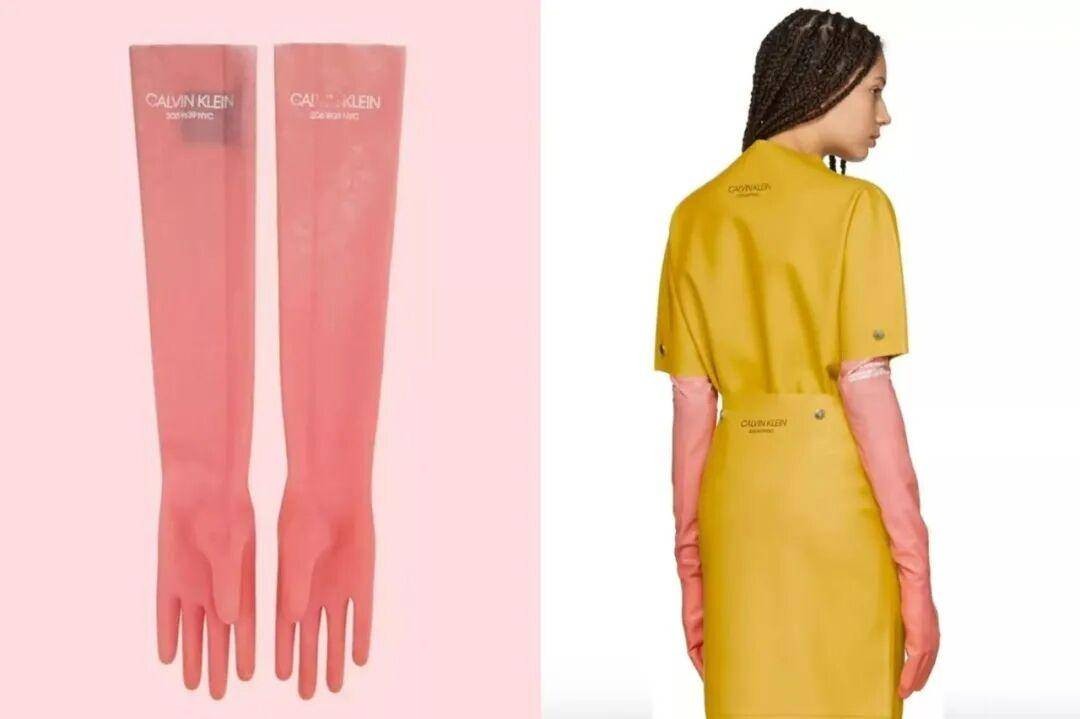
Calvin Klein showcased a pair of rubber gloves at its 2018 Spring/Summer show. Not only did they look almost identical to dishwashing gloves, but they were also made of 100% rubber.
Netizens expressed doubts: "Without stage lights and settings, what clothes can these rubber gloves match with? Are they really attractive?"
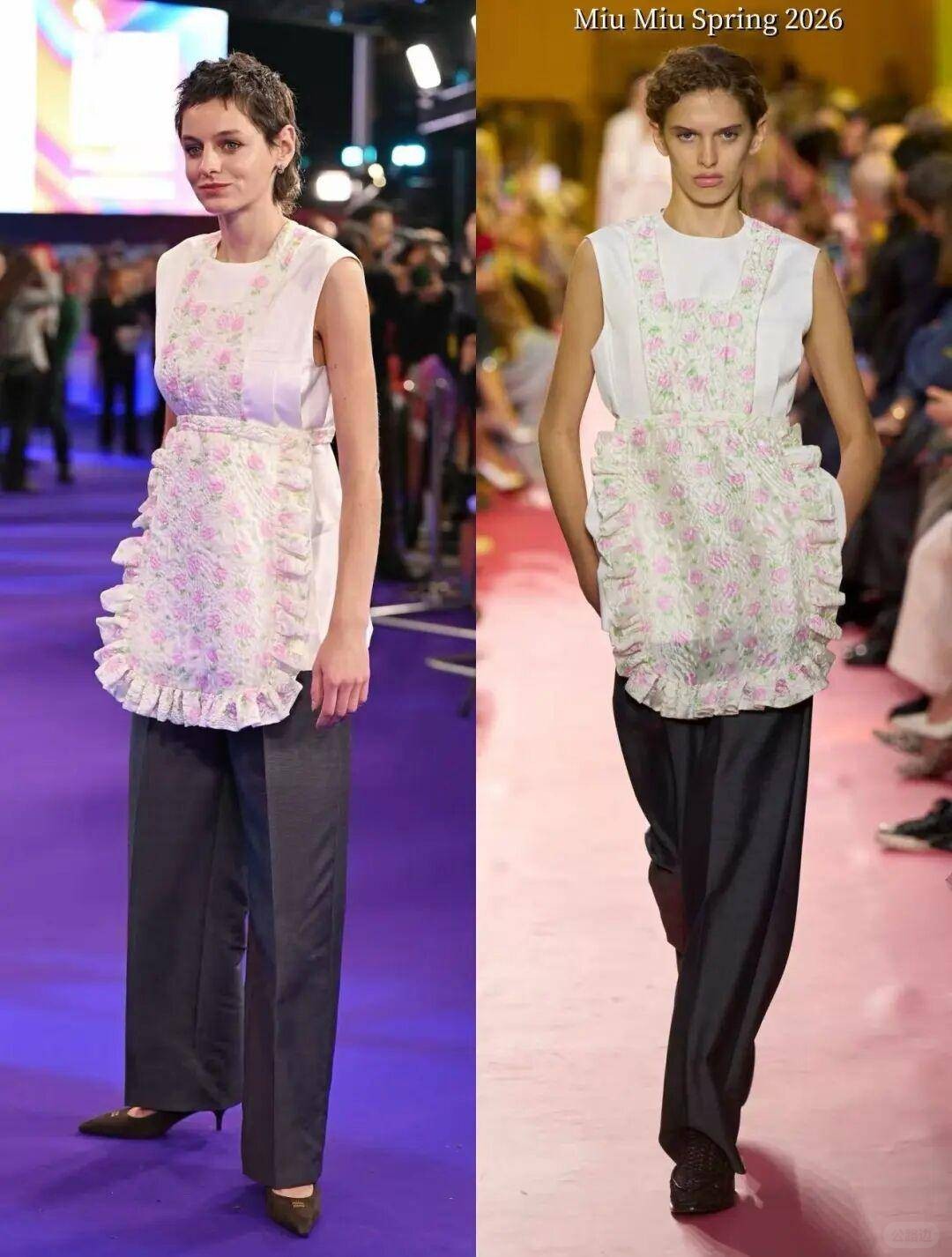
This year, Miu Miu also held its 2026 Spring/Summer show, where models all wore "aprons" as a tribute to working women.
However, the apron element was not integrated with the outfits but was clumsily worn over other clothes, which was unacceptable to the audience: "The concept is good, but is there any real design here?"
British actress Emma Corrin wore the new apron style at a film premiere, only to receive a straightforward comment from netizens: "Even the most fashionable brand ambassador can hardly pull this off."
When daily necessities are transformed into fashion items that are too awkward to wear outdoors, many consumers can only see them as empty and absurd consumption traps.
It seems that there is an insurmountable gap between high-luxury brands and the daily lives of ordinary people.
Products lack aesthetic appeal and design ingenuity, and brand stories and concepts have become increasingly shallow and abstract. The most direct consequence of these phenomena is that luxury goods are "not selling well".
According to China Business Journal, in the first half of 2025, LVMH Group's revenue dropped by 4% and its net profit fell by more than 20%. The group includes brands such as Louis Vuitton and Dior, among which its Fashion and Leather Goods division performed the worst. Chanel, which had raised prices consecutively for five years, also experienced its first simultaneous decline in both revenue and profit this year.
Many consumers are more willing to buy value-preserving jewelry and gold.
The abstract designs and excessive price premiums of high-luxury brands have turned fashion items into one-time-use products that are abandoned once the trend fades.
To address this crisis, at the end of 2025, Chanel tried to "lower its profile" by holding a show in a subway station, aiming to return to public view in the most down-to-earth way.
But why did Chanel, which focused on "practicality" this time, still fail to resonate with the public?
03 Outdated
Chanel's 2026 Métiers d'Art collection was the debut show of its new creative director, Matthieu Blazy. He deliberately chose a New York subway station as the venue.
"I think New York is the only city in the world where people from all social classes take the subway, and I see it as a place without hierarchy," he said.
His decision to showcase the diverse images of women in a subway station stemmed from this idea: "I want to create a sense of randomness—just like what we experience every morning on the way to work, you never know what you will encounter around the corner."
As Matthieu described, cities with extensive subway systems are often home to people from all over the world, and such places embody the "melting pot culture".
In the 1970s and 1980s, the "New York Subway" symbolized a vibrant spirit. People worldwide dreamed of building their careers in New York. Every subway car carried different cultures, dreams, as well as abundant opportunities and the passion of young people.
Dressing elegantly and commuting to work by subway was perhaps the collective dream of young people back then, representing the ability to make a living in a big city through their own efforts.
Today, however, New York has long lost such charm.
The iconic 1993 Chinese TV drama A Native of Beijing in New York shattered the "New York gold rush dream" for many.
"If you love someone, send them to New York, for it is paradise; if you hate someone, send them to New York, for it is hell."
In New York, most people are no longer glamorous office workers but lost and wandering wage earners.
Fast forward to 2025, the subway has been fully integrated into the daily lives of ordinary people. It is no longer a synonym for a "dream life", but a reflection of exhausted workers. The narrative of "urban success" is no longer relevant to contemporary young urbanites—after all, no one wants to endure the hassle of commuting by subway every day.
Wearing Chanel to work seems to serve no other purpose than distinguishing "elite workers" from "ordinary workers".
The image of urban women in professional suits and high heels showcased in the show has become outdated.
In the past, women's clothing followed rigid standards. They had to wear dresses with corsets and whalebone stays or tight leggings. In an era when women faced severe restrictions in clothing, behavior, life, and work, Chanel, which introduced women's trousers, loose woolen cardigans, and soft long skirts, fully deserved the title of a fashion pioneer.
But times have changed.
Nowadays, even airlines, which once had strict dress codes for female employees, are gradually replacing skirts and high heels with more comfortable alternatives. Whether in crowded subway stations or rigid workplaces, women now have the freedom to pursue comfort and ease in their clothing.
Yet at Chanel's 2026 subway show, all models—whether in pants or skirts—wore high heels. Some women's jeans even had poor tailoring, with baggy crotches.
The Chanel of the past broke traditions by letting women wear trousers, suits, and loose-fitting skirts, weaving countless dreams of the future and freedom for women. But this time, we can only admire the talent of Coco Chanel again through the retrospective and tribute.
Today's Chanel seems to have lost the ability to create dreams for urban women.
Coco Chanel made the first comfortable and non-restrictive women's skirt using fabric from men's undergarments.
In fact, the concept of integrating fashion with daily life is not an unattainable fantasy.
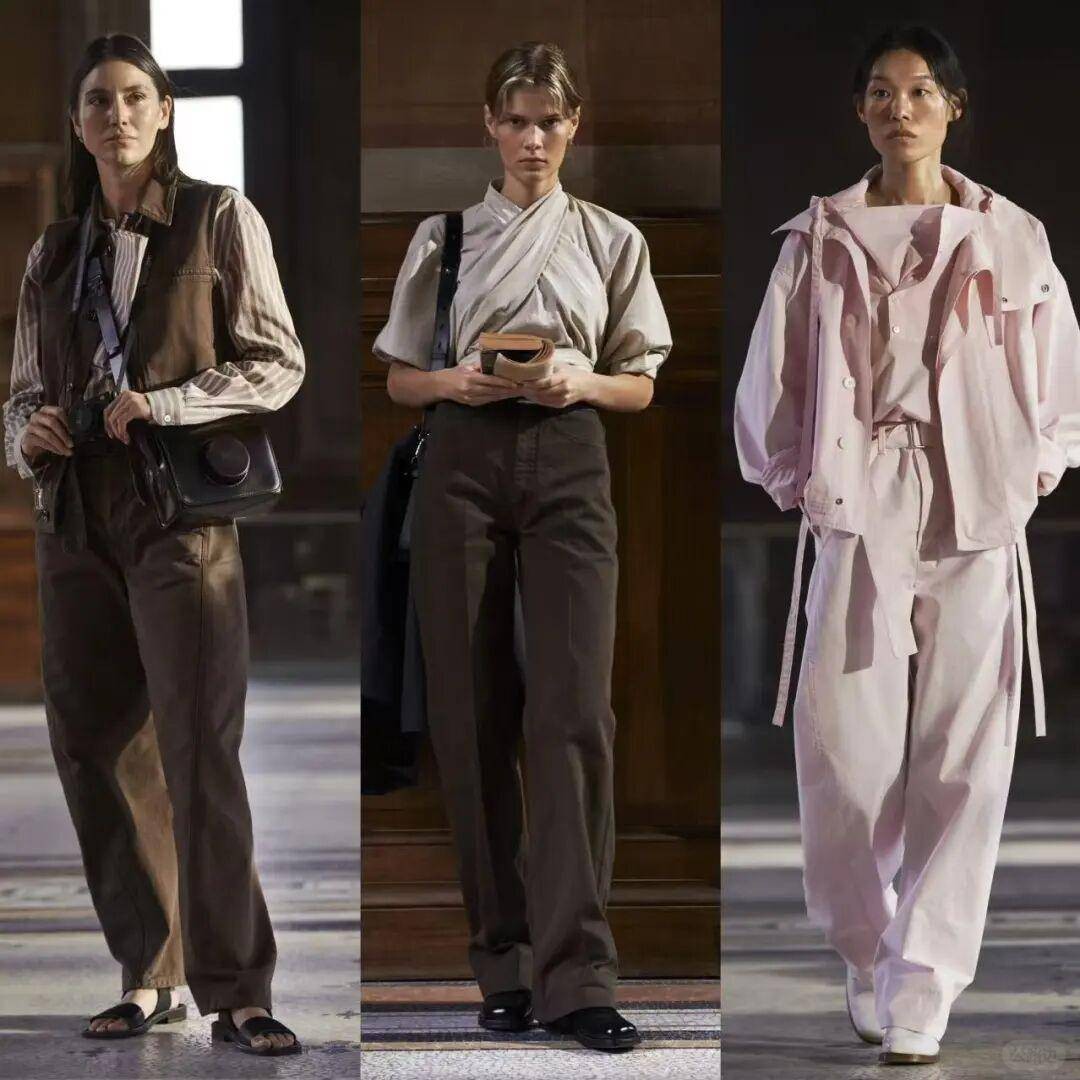
The French brand Lemaire has also held shows in daily life scenarios. For its 2023 Spring/Summer show, the brand built a railway station set.
Models interacted with each other like passengers waiting for a train, wearing minimalist, comfortable, and simple outfits that still retained unique design elements. They were not forced to wear high heels, did not have exaggerated makeup, and wore just the right amount of jewelry.
The most common comment on this show was: "These clothes look ready to wear, stylish and comfortable—they feel like pieces that can be worn for a lifetime."
Another way to integrate "life" with "high luxury" is to infuse fashion into affordable items. Around 2022, a Chinese fashion blogger began posting short videos under the theme "Everything Can Be Worn". Using burlap sacks, mosquito nets, and express cartons, the blogger created looks with the same glamour as those seen in international fashion shows, seamlessly blending daily life with the fashion industry.
Within just a few years, the blogger has gained over 10 million followers.
This kind of "zero-cost fashion" demystifies high-luxury brands, showcasing "the wisdom of life" rather than an illusion of luxury created by expensive
|

 Fear of God ESSENTIALS Hoodie Review: Mi83 人气#fashion
 The Derby of San Francisco Style 300 Cha108 人气#fashion
 Why the Derby of San Francisco Classic S127 人气#fashion
 Romaoss Launches "Rebirth Plan," in Talk65 人气#tech






 WeChat
 douyin