Iran is in turmoil again. On the very same day—December 29—that Israeli Prime Minister Benjamin Netanyahu made a whirlwind visit to the U.S. to meet with Donald Trump, massive protests simultaneously erupted in dozens of Iranian cities. Storefront windows were shattered, thick smoke billowed outside government buildings, and crowds waved signs reading “No to Dictatorship,” directly targeting Supreme Leader Ayatollah Ali Khamenei and President Masoud Pezeshkian. Roars of “Down with the regime!” instantly tore through the fragile veneer of calm that had blanketed Iranian society.
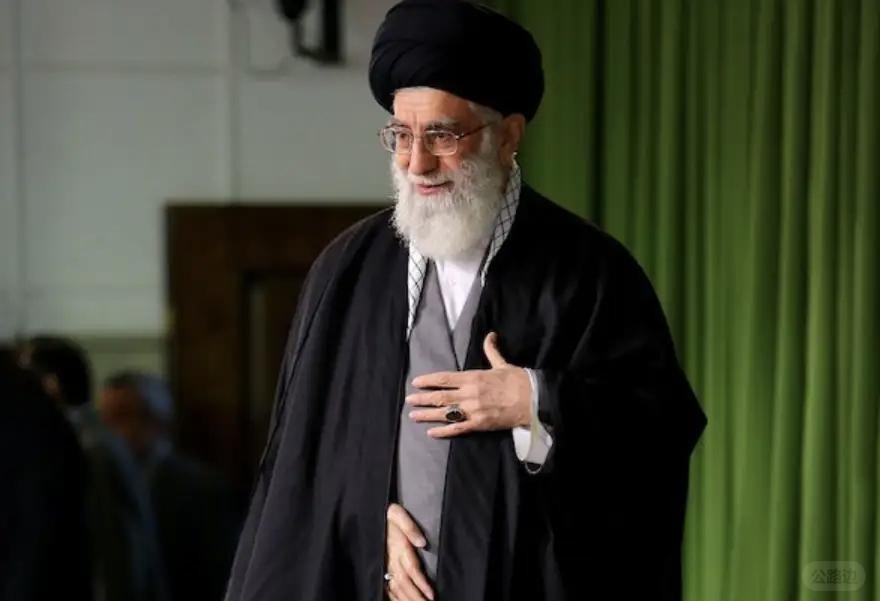
This nationwide wave of protests was no spontaneous riot—it was the long-anticipated eruption of deep-seated grievances over livelihoods pushed to the brink. Years of relentless Western sanctions and extreme containment policies have driven Iran’s economy into utter collapse: the rial has depreciated to near-worthlessness, prices have surged three to fourfold, inflation has hit historic highs, capital flight is rampant, small and medium businesses are shuttering en masse, and even the once-comfortable middle class now struggles to afford basic necessities. With 30 million people living below the poverty line, acute medicine shortages, and soaring unemployment, it was only a matter of time before popular fury boiled over.
Faced with this tidal wave of public anger, President Pezeshkian immediately stepped in to “put out the fire,” ordering his interior minister to urgently engage protest representatives and pledging to listen to legitimate demands. Yet to outside observers, this gesture appeared more like a stalling tactic than a genuine solution to an urgent crisis.
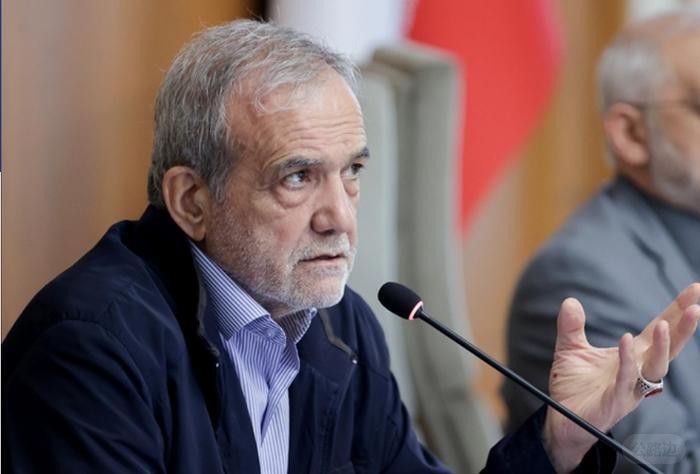
Iran’s rigid economic system has been plagued by structural flaws for decades; any meaningful reform risks triggering systemic upheaval and remains mired in paralysis. Meanwhile, Western sanctions continue tightening their grip, combining psychological warfare with physical blockades. Under this dual pressure of internal decay and external siege, mere verbal assurances stand no chance of quelling public rage—the root causes of this crisis remain entirely unaddressed.
Even more alarming is the unmistakable hand of foreign interference fanning the flames behind the scenes. Former Israeli Prime Minister Naftali Bennett personally took to social media, urging Iranians to “stand up and decide your own future.” Former U.S. Secretary of State Mike Pompeo went further, openly inciting unrest by declaring the Iranian regime “utterly corrupt” and claiming that citizens taking to the streets was “only natural.” Beneath these ostensibly noble calls for “democracy” lies a clear ulterior motive. Back in June, Israel had already launched large-scale airstrikes on Iranian nuclear facilities. Now, watching Iran descend into chaos, the U.S. and Israel see a golden opportunity to weaken their longtime adversary—and they won’t let it slip away.
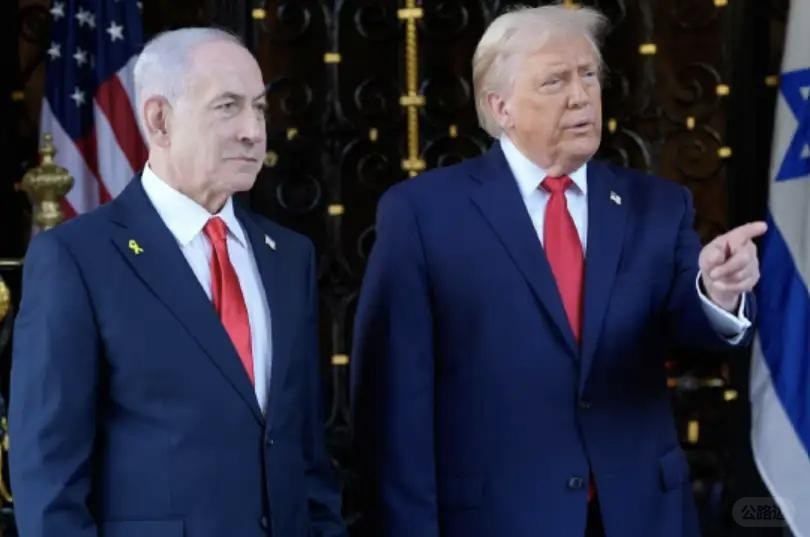
Netanyahu’s recent “visit to Washington” proved to be the final spark that ignited the powder keg. Immediately after the meeting concluded, Trump wasted no time issuing a stark warning to Iran, bluntly stating that B-2 stealth bombers were already on standby and ready to strike at a moment’s notice.
This brazen military threat was clearly a direct response to Netanyahu’s private lobbying. Recall that in June, the U.S. and Israel had jointly attacked Iranian nuclear sites. Now, with Trump reaffirming his “full support for Israel’s strikes against Iran,” he has effectively handed Netanyahu a royal warrant—dramatically escalating regional tensions to the brink of explosion.
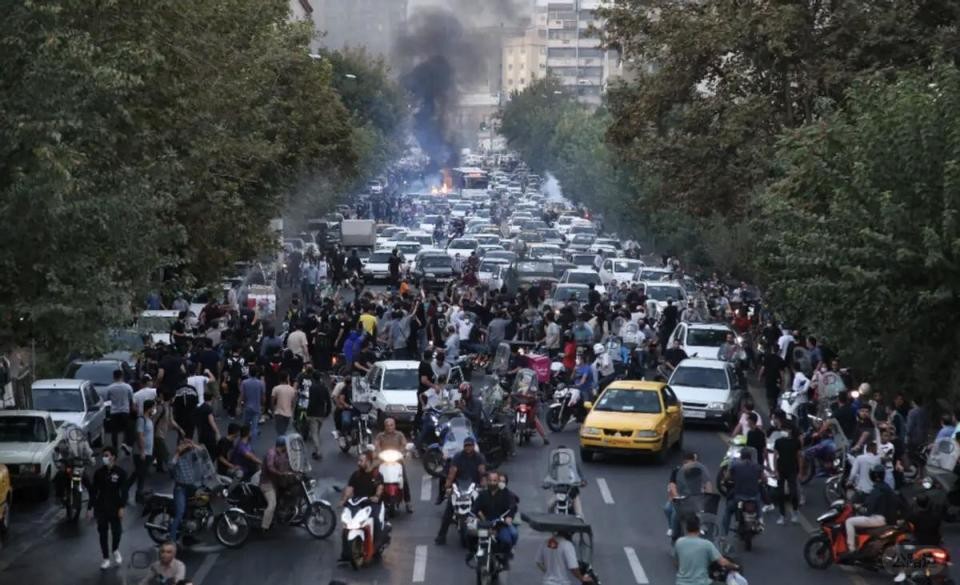
Iran now stands at a perilous crossroads, caught between internal revolt and external aggression. Domestically, anger over economic hardship continues to intensify, with no sign of the protests abating. Externally, U.S.-Israeli military threats loom ever closer, while political subversion seeps through every crack.
Analysts warn that if Khamenei’s regime resorts to harsh crackdowns, Israel could swiftly exploit the chaos under the guise of “defending democracy,” funneling money and weapons to protest groups and transforming this domestic uprising into a full-blown proxy war. Even as Iran vows to “respond fiercely to any aggression,” the immense strain of fighting on two fronts presents an existential challenge.
At its core, Iran’s current crisis is the toxic convergence of hegemonic interference and socioeconomic collapse. The “democracy and freedom” rhetoric mouthed by the U.S. and Israel is nothing but a fig leaf masking their true ambition: to exploit internal unrest to dismantle Iran’s regional influence and eliminate this thorn in their side once and for all.
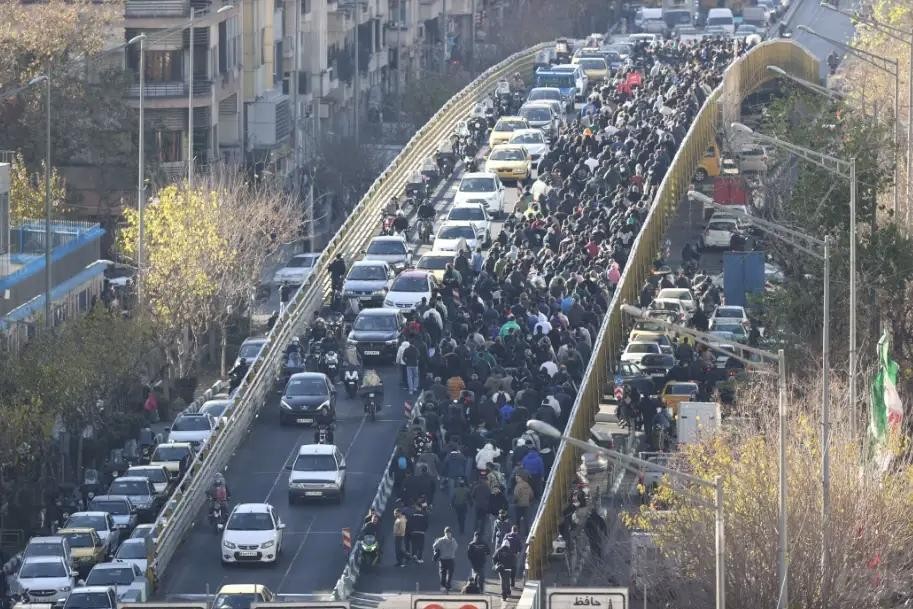
Yet the demands of ordinary Iranians are remarkably simple—they merely wish to live in peace, not become pawns in great-power games. Where this storm ultimately leads depends on whether Iran can break free from its economic stranglehold—and, even more critically, whether it can withstand the relentless meddling of foreign powers. After all, a nation’s future should never be dictated by outside aggressors.
|

 Fear of God ESSENTIALS Hoodie Review: Mi83 人气#fashion
 The Derby of San Francisco Style 300 Cha108 人气#fashion
 Why the Derby of San Francisco Classic S127 人气#fashion
 Romaoss Launches "Rebirth Plan," in Talk65 人气#tech



 WeChat
 douyin