The conflict between Palestine and Israel is escalating, especially by 2025, with Israel's military actions becoming increasingly fierce. The Palestinian side is in chaos, with heavy civilian casualties, as if it is not far from "destruction".
But looking around the world, there hasn't been a single country standing up to help Palestine fight. What's going on?
How was the beam between Palestine and Israel formed
The Israeli Palestinian issue can be traced back over 100 years.
At the end of the 19th century, anti Semitism in Europe made life difficult for many Jews, leading to the emergence of 'Zionism', which aimed to find a country for Jews to live in.
They picked and picked, and they were interested in Palestine because Jews had lived here in history.
In 1947, the United Nations issued Resolution 181, which called for the division of Palestine into two states: Israel for Jews and Palestine for Arabs.
But Arab countries don't do it anymore, thinking that this place was originally theirs, why split it in half? As a result, Israel was founded in 1948, and Arab countries refused to accept it, leading to the outbreak of the first Middle East War.
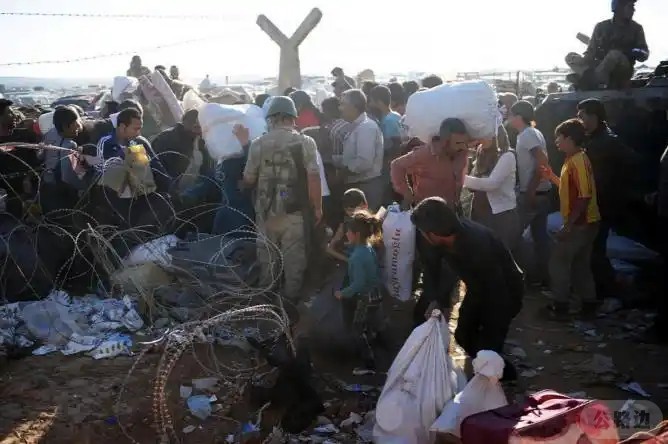
Israel won the war and occupied more land than the United Nations allocated to them, leaving hundreds of thousands of Palestinians as refugees.
In the following decades, both sides fought back and forth several times. In the 1967 Six Day War, Israel occupied East Jerusalem, the West Bank, and the Gaza Strip, compressing the territory of Palestine even smaller.
In 1993, there was an "Oslo Accords" that was intended to be peacefully resolved, but it collapsed again a few years later. The second uprising in 2000, as well as several subsequent Gaza wars, have never ceased the conflict.
In modern times, this has become a long-standing problem.
The recent Israeli Palestinian conflict has become even more intense than before.
Not long after the end of the Great War in October 2023, Israel and Hamas signed a "three-stage" ceasefire agreement in early 2025, and everyone thought they could catch their breath. Only a few months later, in May, Israel launched another attack on Gaza, claiming that Hamas had fired rockets and that they had to "defend themselves".
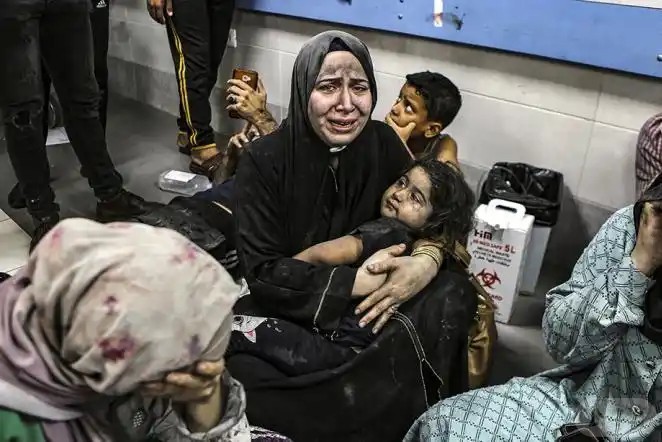
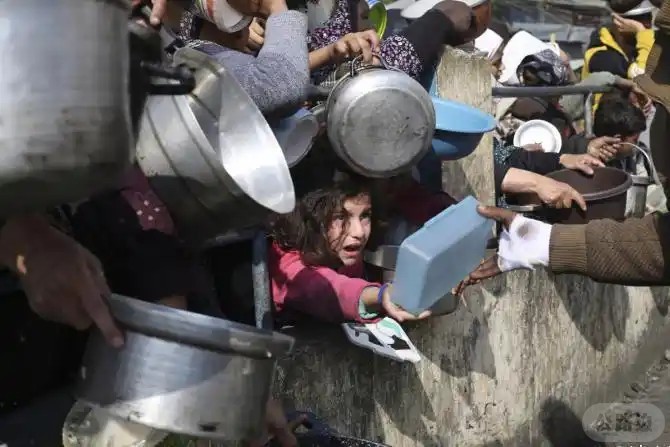
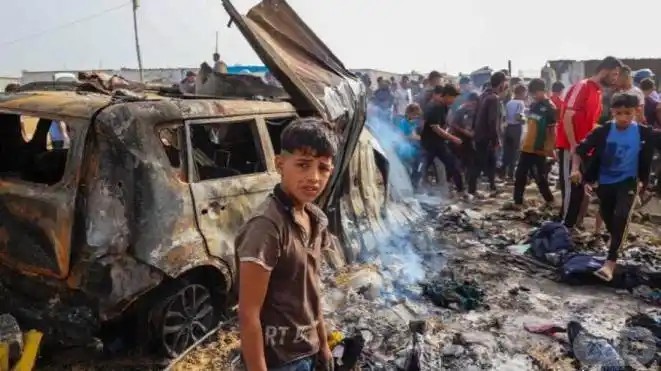
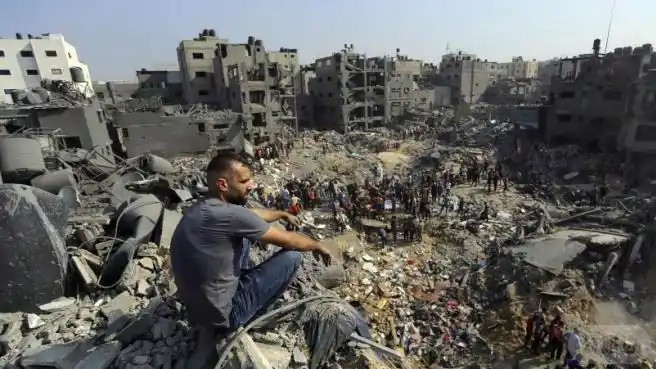
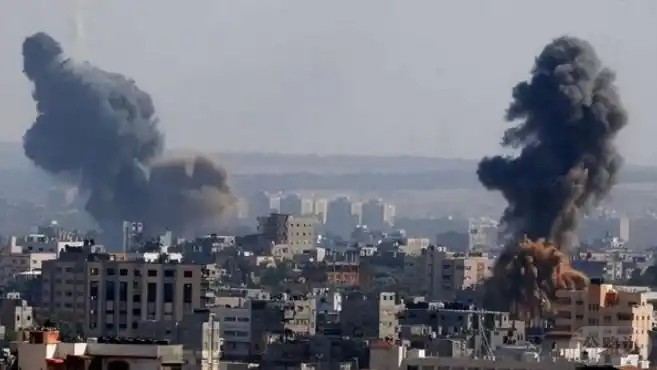
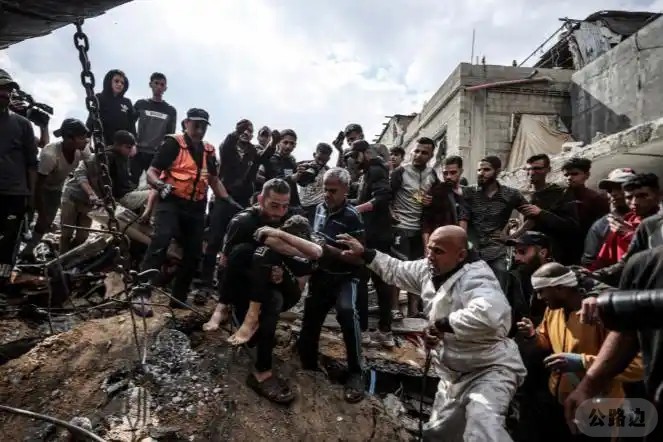
This operation is not small, the Gaza Strip has been devastated by the bombing, with a large number of civilian casualties, and even the United Nations cannot bear to see it.
On May 9th, United Nations human rights experts issued a warning that Israel's tactics could trigger a "new round of humanitarian disasters" and called on the international community to quickly regulate them.
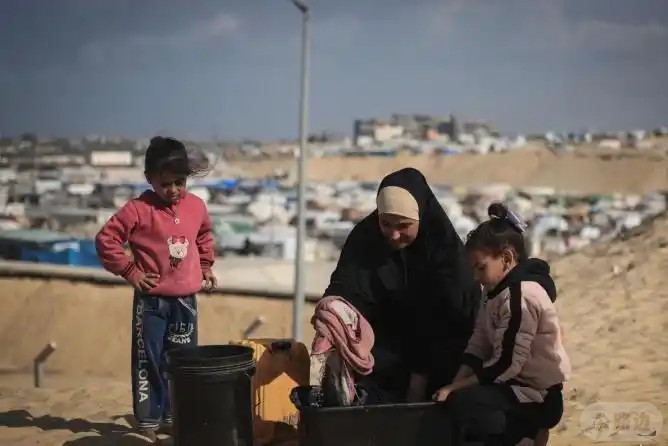
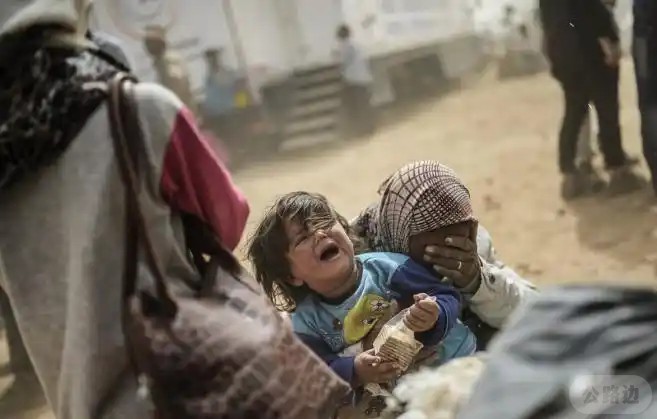
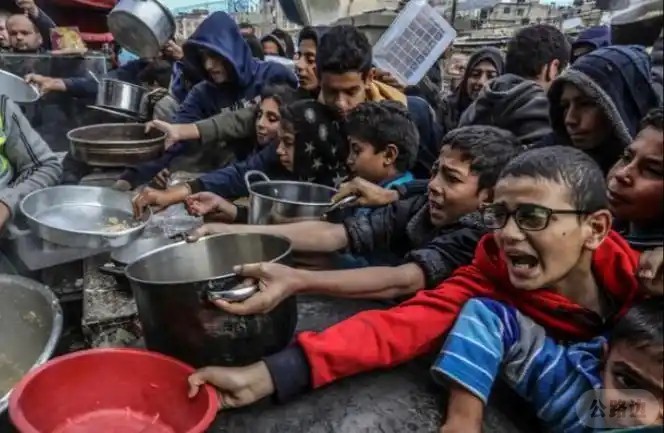
But until now, I haven't seen anyone really help out. The houses in Gaza are gone, the water and electricity are gone, and the hospital is almost bombed. The lives of Palestinians are unbearable.
Internationally, apart from speaking out, there seems to be little practical action and collective silence.
Why hasn't anyone helped Palestine fight
The geopolitics of the Middle East are complex.
The United States is a staunch ally of Israel, and since the day of Israel's founding in 1948, the United States has not given less money or weapons. In the current situation, the United States remains unchanged in its attitude: Israel has the "right to self-defense".
If any country really sends troops to help Palestine, they may have to face US sanctions or even military threats. Who would be willing to take this risk?
Russia and China also have their own plans in the Middle East.
Russia is busy with Syria, and China pays more attention to economic cooperation, such as the "the Belt and Road". Both sides do not want to go to war directly, at most they just shout and propose the "two-state solution" in the United Nations, and the possibility of actual action is almost zero.
So, Palestine is Arab, why don't Arab countries help? Actually, Arab countries are not united.
Egypt and Jordan have already signed a peace agreement with Israel and do not want to get involved in this mess anymore. The internal turmoil in Syria and Iraq is still raging, leaving no extra energy to deal with other matters.
Saudi Arabia and Iran are once again enemies, one busy secretly flirting with Israel and the other busy supporting Hezbollah in Lebanon, with no time to unite to help Palestine.
Previously, Arab countries had fought against Israel together, such as in 1948 and 1973, but now these brothers have long since dispersed, each taking care of their own interests, and no one wants to stand up for Palestine anymore.
The United Nations Charter makes it clear that no one can use force without self-defense or authorization from the Security Council. If any country wants to help Palestine alone, it will immediately be labeled as "illegal", and the international community may criticize it and even isolate it.
The Security Council can approve military actions, but as a permanent member of the Security Council, the United States has veto power and no one can pass any resolutions that are unfavorable to Israel.
On October 27, 2023, the United Nations General Assembly passed a ceasefire resolution with 121 votes in favor. But this resolution is not binding, it's like shouting in vain.
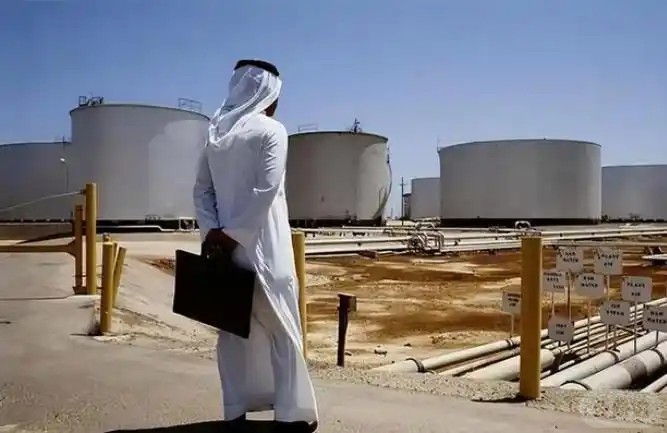
The Middle East is a major warehouse for global oil and gas. When war breaks out, oil prices rise rapidly, causing fluctuations in the economies of various countries.
After the COVID-19 pandemic in 2020, the global economy had not yet recovered, and in the past two years, it has finally shown some signs of improvement. No one wants to cause any more trouble for themselves. Helping Palestine fight sounds righteous, but when it comes to accounting, no one thinks it's worth it.
In the current era, information is flying everywhere, and Western media is focusing on Israel's security issues, while not many people care about the suffering of Palestine.
The internal issues in Palestine are also significant. After Arafat's death in 2004, Palestine was divided. Fatah controls the West Bank of the Jordan River, while Hamas occupies the Gaza Strip, and both sides do not like each other.
Mahmoud Abbas has been a leader for many years, but as he grows older and lacks credibility, there has been little progress in negotiations. Hamas is tough, but the international community always thinks they are a 'terrorist organization' and does not like them.
The suffering of civilians: who cares
China has always had a clear stance on the Israeli Palestinian issue. Foreign Minister Wang Yi once said, 'People's hearts cannot be violated', and the Palestinian issue must be resolved through the 'two-state solution'. China does not engage in military intervention, but rather calls for peace and provides humanitarian assistance.
China's main interests in the Middle East are economy, energy cooperation, and infrastructure projects, and it cannot get involved just because of the Palestinian situation.
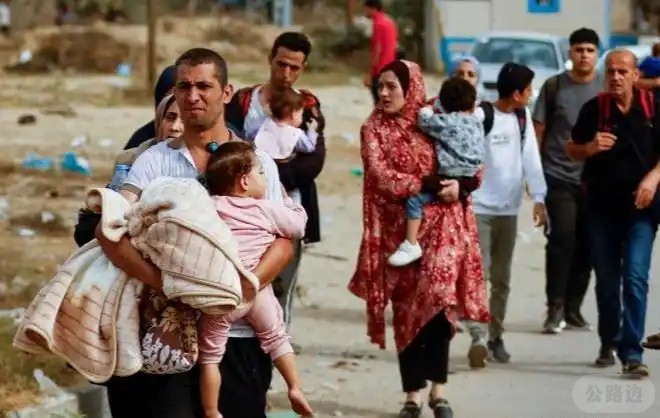
After all, the most miserable ones are actually the Palestinian people. Gaza has a dense population and a small area, with tens of thousands of deaths and injuries, with children and women accounting for more than half.
Israel also has its own claim that Hamas uses civilians as "human shields" and they have to fight.
There is no hope for the Israeli Palestinian conflict in the short term. Israel has the support of the United States and an absolute military advantage, while Palestine is plagued by internal and external troubles and cannot turn over. The international community is not united, and the United Nations is useless. It is estimated that we will have to drag on.
To truly solve the problem, relying on war is definitely not enough. We have to rely on negotiations, but in the current situation, no one trusts the other party and negotiations cannot reach an agreement. Peace is still far away.
reference material:
1. Israel claims to delay approval, three-stage implementation is difficult step by step, fragile ceasefire agreement in Gaza, etc. Global Times 2025/01/17
2. The current Israeli Palestinian conflict has resulted in 55297 deaths in the Gaza Strip
|

 Fear of God ESSENTIALS Hoodie Review: Mi86 人气#fashion
 The Derby of San Francisco Style 300 Cha112 人气#fashion
 Why the Derby of San Francisco Classic S130 人气#fashion
 Romaoss Launches "Rebirth Plan," in Talk70 人气#tech





 WeChat
 douyin