In 2025, the United States is undergoing a profound structural transformation driven by “Trump 2.0” policies. Externally, Trump has leveraged tariff wars to reshape global trade rules, pushing the postwar free-trade system—centered on the World Trade Organization (WTO)—to the brink of collapse. Domestically, he has targeted tax cuts, federal spending reductions, and bureaucratic downsizing as key levers to revitalize markets and bring manufacturing back home.
The underlying logic of Trump’s tariff and economic policies is to “build walls” for the revival of domestic manufacturing and use tariffs as a tool for wealth redistribution. For multinational corporations deeply embedded in globalization, this shift inevitably means abandoning established low-cost global supply chains. To push this realignment forward, a new distribution of interests must be achieved—which, in essence, constitutes an American “revolution.”
Since Trump’s return to the White House, U.S. domestic politics has become even more unbalanced. With both chambers of Congress and the Supreme Court under Republican control, the president now advances aggressive immigration and tariff policies with minimal checks and balances.
As for U.S.–China relations, the greatest current challenge lies in the transition from a historically complementary economic structure to direct competition in high-end manufacturing and technology. Both sides must now seek a new strategic equilibrium and redefine their boundaries through dynamic game theory (strategic interaction).
The International Economic Order Faces Major Upheaval
Among Trump 2.0’s policies, the most striking is America’s global trade war. During his first term, Trump primarily targeted China; this time, he has expanded his scope to the entire world—with traditional U.S. allies as primary targets.
To date, he has largely realized his initial vision: after months of pressure and negotiations, he has secured what amount to “unequal treaties” with nearly all major economies—except China and India. Under these arrangements, the U.S. assumes almost no substantive obligations while demanding that partners accept high tariff barriers. For example, beyond a baseline 10% reciprocal tariff, the U.S. imposes approximately 15% tariffs on most EU goods, 10% on British goods, 15% on Japanese and South Korean goods, 19% on Indonesian, Malaysian, Philippine, and Thai goods, 20% on Vietnamese goods, and a staggering 25% on Indian goods.
Simultaneously, the U.S. has rendered the WTO effectively paralyzed, pushing global tariff levels back to those of the 1930s. This means the accumulated achievements of free trade under the GATT/WTO framework since World War II have been largely undone—a major upheaval in the international economic order.
Trump’s fundamental goal with tariffs is to rebuild American tariff barriers and consciously dismantle the postwar free-trade order, using high tariffs as protective “walls” for domestic manufacturing.
Historically, nearly every manufacturing powerhouse—from Britain under mercantilism to Japan and South Korea—rose on some foundation of trade protection. If the U.S. genuinely seeks to revive its manufacturing base, it must, to some degree, “close its doors.”
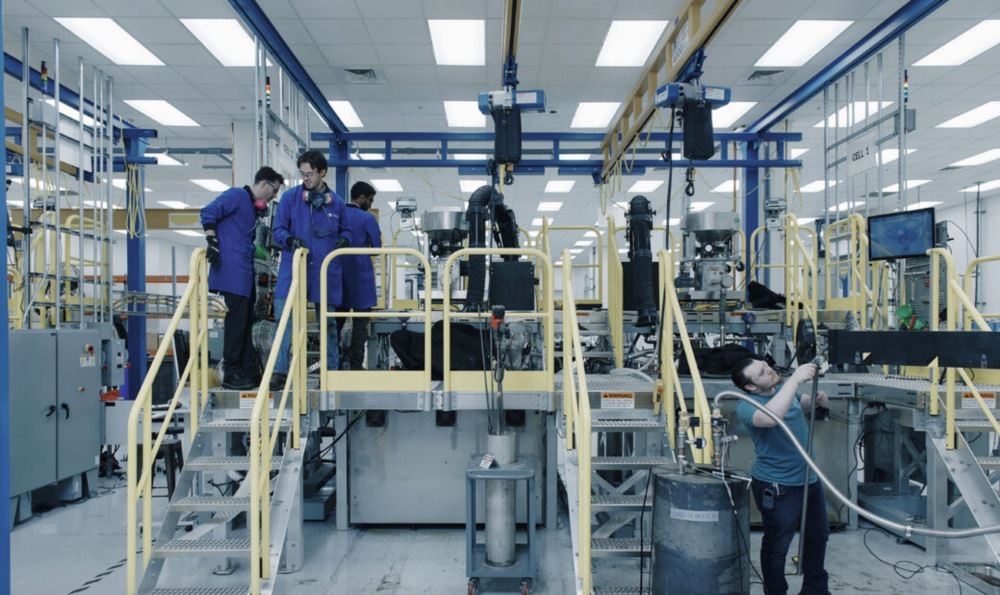
Within the existing free-trade framework, U.S. manufacturing can no longer compete with China in many sectors—and had already been significantly weakened by Germany and Japan before that. To rebuild its industrial base, the U.S. must partially decouple from international competitors. In other words, America is undergoing a grand strategic shift: from Wall Street back to the real economy, from globalized financial expansion toward the reshoring of supply chains and industrial ecosystems.
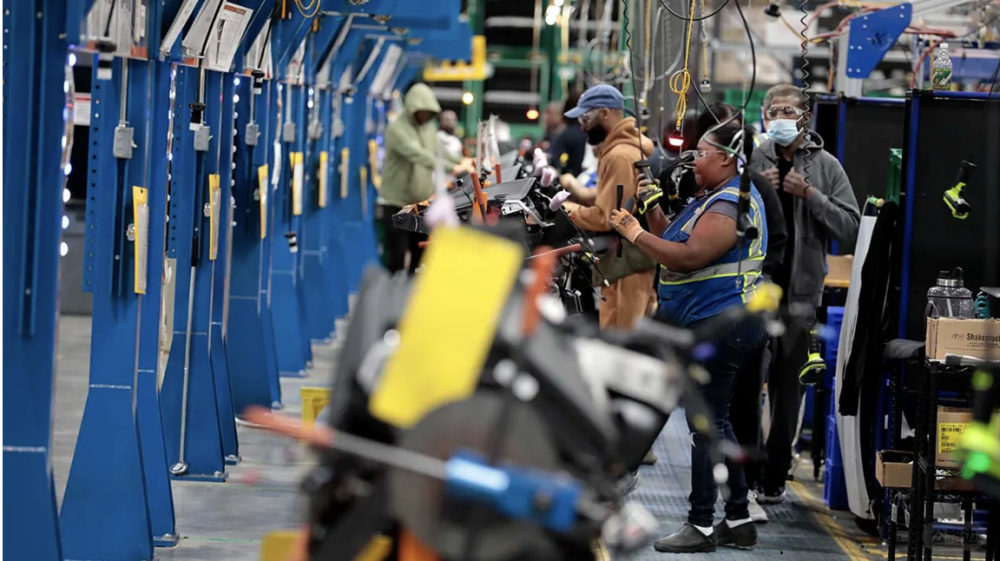
Many outsiders question the feasibility of manufacturing reshoring, arguing the U.S. lacks the necessary “soil.” But I believe such soil can be cultivated—the key lies in whether America can commit to a long-term strategic vision. The current focus is not merely on relocating factories, but on reconstructing an entire industrial ecosystem.
Of course, this is extremely difficult and cannot be accomplished within Trump’s four-year term. Former President Obama attempted to bring manufacturing back but largely failed, inadvertently deepening identity-based political divisions at home—a key reason his legacy is now viewed poorly. Yet policies should not be judged solely by final outcomes; we must understand the internal logic behind Trump’s current actions.
Any structural reform entails severe pain. For deeply globalized corporations, strategic realignment inevitably means abandoning efficient, low-cost global supply networks. For the U.S. to push this shift, a new redistribution of interests is unavoidable—making this truly an American “revolution.”
In this reconstruction process, many groups will inevitably bear heavy costs. If America cannot endure this pain, it will revert to the old path, exacerbating existing contradictions. But if it perseveres, a “phoenix rising from the ashes” remains possible.
Following this global tariff war, the liberal economic order has effectively collapsed. Nations are now forced to adjust accordingly. The future world may evolve toward regional blocs, mini-multilateral frameworks, or “club-style” cooperation.
For China, I believe it is unlikely to adopt more “radical” opening-up policies in the short term—constrained both by entrenched mindsets and interest structures, and by concerns over the short-term shocks of aggressive liberalization. Thus, the future international landscape will likely consist of several small blocs “huddling for warmth,” moving toward selective multilateralism rather than universal global multilateralism.
Forging an “Unprecedented Imperial Presidency”
Beyond the tariff war, the second pillar of Trump’s economic agenda is tax cuts. The core logic is simple: to reignite American economic vitality, businesses and households must first be relieved of tax burdens—“unshackling” economic actors.
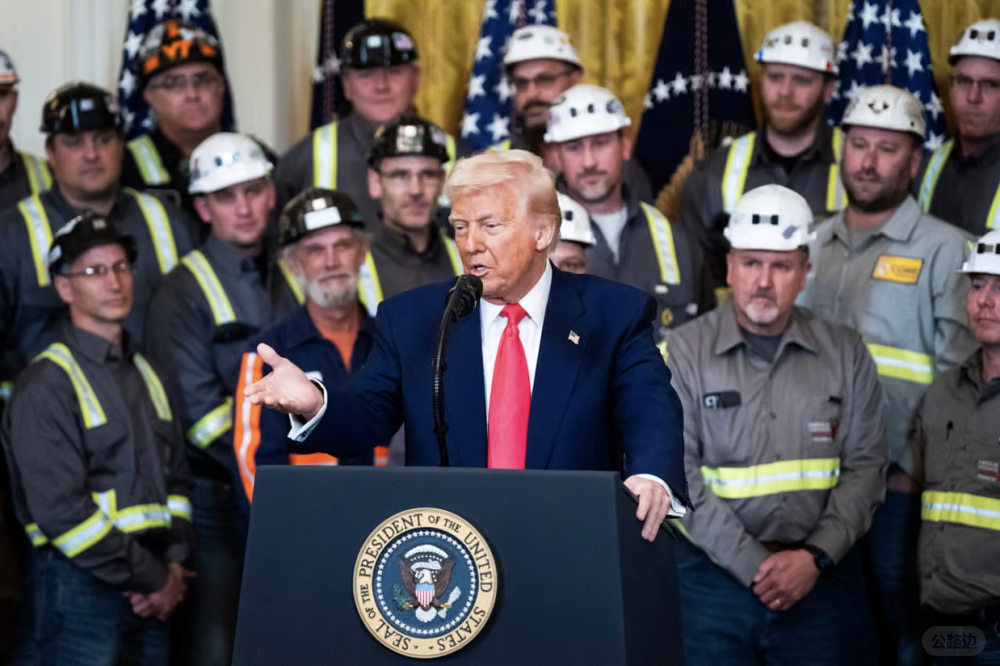
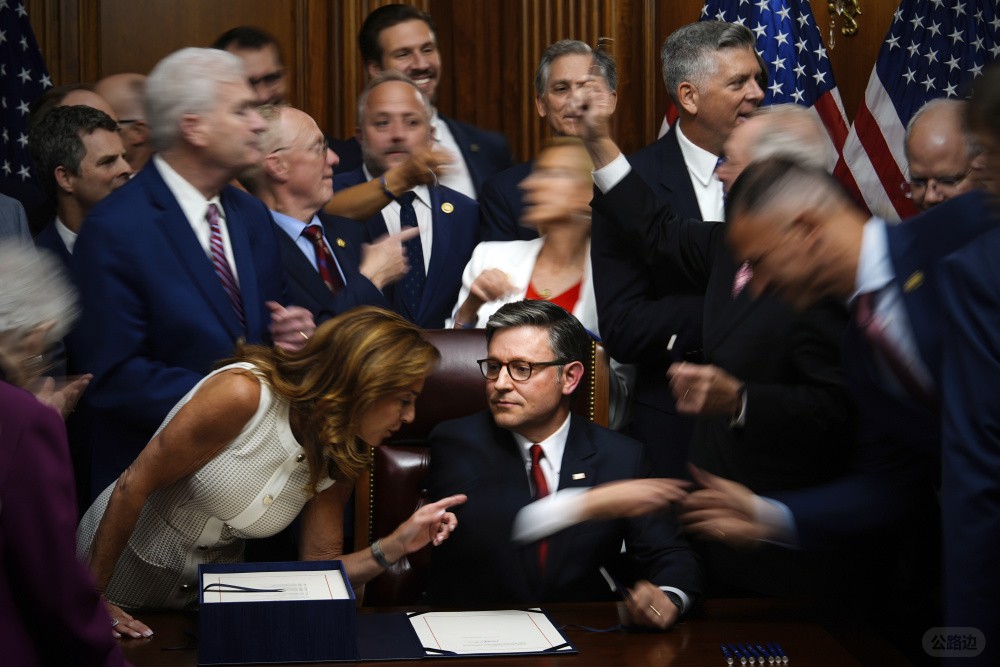
The “One Big Beautiful Bill Act,” championed by Trump, embodies this approach, introducing a suite of new tax breaks for high-income households and corporations. However, opposition remains strong because vast segments of the population and powerful interest groups depend on tax-funded programs.
This has led directly to Trump’s third major economic policy: cutting federal spending. As a businessman, Trump deeply resents government waste and inefficiency. His “pro-business” stance is not pro-globalization—it is pro-domestic-business.
In today’s sluggish U.S. economy, using tax cuts and spending cuts—however primitive—as stimulus tools is conceptually sound. But all economic policies have dual effects. While tax cuts and budget reductions strengthen market-driven resource allocation, they also weaken state capacity, directly undermining public expenditures essential for social stability—such as education, public health, and infrastructure.
Moreover, Trump’s implementation is extremely aggressive: he has shut down numerous agencies and slashed government staffing across the board. While private companies can eliminate idle personnel, public institutions cannot operate purely on commercial logic—they must also uphold principles of equity. Balancing efficiency and fairness requires statesmanship and context-sensitive adjustments. Currently, under intense global competition—especially in tech—efficiency logic clearly dominates.
The contradiction lies here: while constraining the bureaucracy, Trump is simultaneously expanding his own power, profoundly disrupting America’s political structure and culture. With Congress and the Supreme Court both under Republican control, he faces virtually no obstacles in policy implementation. Technocratic checks have weakened significantly, and the bureaucracy exhibits high obedience—creating an unprecedented “imperial presidency” with supercharged authority.
Trump is a product of his time and environment. While extreme conservative candidates like Barry Goldwater emerged in the 1960s, the social conditions for their electoral success were absent then. Today, Trump’s two elections and dramatic comeback reveal deep popular support—not just among ordinary voters, but also among tech and business elites like Elon Musk and Jensen Huang, who increasingly back him. This suggests that future administrations, regardless of party, will likely emulate aspects of Trump’s playbook if they deem it effective.
Trump Addresses America’s Real Problems
From Trump’s 2024 assassination attempt to the death of Kirk, political violence in America has surged, and partisan polarization continues to deepen. The spread of societal animosity poses unpredictable risks to America’s political ecology and social stability. In my view, America’s toughest challenges are not foreign policy or economics—but domestic social issues.
First is demographic structure—a “gray rhino” pressing down on society, difficult to resolve through short-term policy. Second is the pent-up rage among the lower and middle classes caused by wealth inequality and economic disparity, manifesting in frequent mass shootings and hard to reverse. Compounding these are difficulties in immigrant and minority integration, worsening public safety, and controversies over political correctness—creating a web of structural social maladies.
Books like J.D. Vance’s Hillbilly Elegy and Robert Putnam’s Our Kids vividly depict the collapse of America’s lower-middle class—and simultaneously expose the hypocrisy of its elite.
Yet American society also possesses remarkable resilience. Social turmoil is not new; the civil rights era of the 1960s–70s was equally chaotic, as portrayed in films like Forrest Gump. America has always retained a degree of disorder—but within that chaos, new orders organically emerge.
Regarding Trump’s immigration restrictions, beneath his often crude methods lies a genuine diagnosis of real problems—namely, addressing America’s deep social fractures and loss of order. Whether he can actually cure these ailments remains uncertain.
Many past U.S. presidents focused on “false problems”—such as promoting democracy abroad or toppling regimes in Iraq and Afghanistan. Counterterrorism, while important, was never central to America’s core national interests. Accurate problem identification is the prerequisite for meaningful change.
Immigration is inherently double-edged. While migrants actively choose to come to America, the U.S. also needs their labor. As the nation developed, Americans grew accustomed to comfort and avoided low-wage work. When welfare guarantees provide income without employment, a “welfare trap” emerges—homelessness being one symptom.
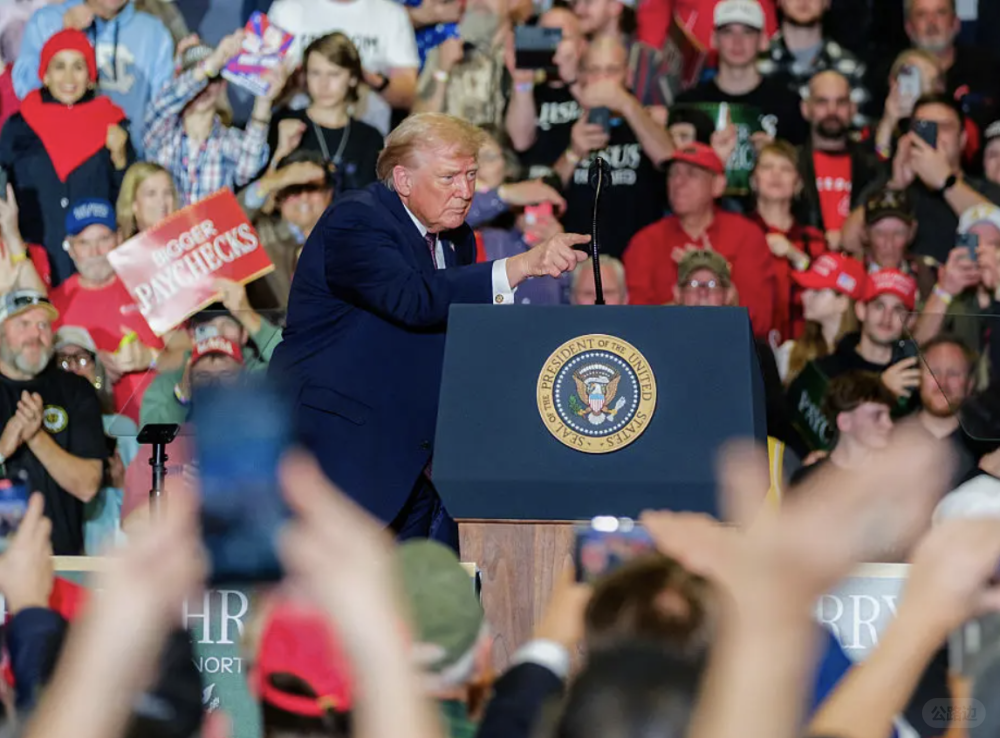
Yet when immigrants struggle to integrate due to language barriers and cultural differences, mainstream values face erosion, intensifying America’s identity crisis. As the immigrant share of the population rises, identity politics becomes more acute, compounding existing social tensions into a structural dilemma.
U.S.–China Must Seek Dynamic Balance Through Competition
The core challenge in U.S.–China relations today is the deep structural conflict in their economic models—no longer the highly complementary relationship of the past. Both nations now aim to strengthen manufacturing, with China pushing aggressively into high-end sectors, leading to direct competition in critical industries.
Meanwhile, China’s rise in high technology poses a tangible challenge to the U.S. Their interests in advanced manufacturing and tech are no longer complementary; the “complementary structure” that once enabled cooperation is fading, making competition harder to resolve through traditional means.
In past trade game theory, both sides used chips/high-tech and rare earths as strategic leverage. But overall, this mutual deterrence is fragile. China’s “advantage” in rare earths stems not from technological barriers, but from its mature industrial base and cost efficiency.
Rare earth refining is low-margin and relies on large-scale iron, copper, and aluminum smelting—rare earths are extracted as byproducts during bulk ore processing. Thus, China’s rare earth dominance is a derivative of its massive industrial system. Other countries avoid production not due to technical incapacity, but because they lack integrated industrial ecosystems and are unwilling to bear high costs.
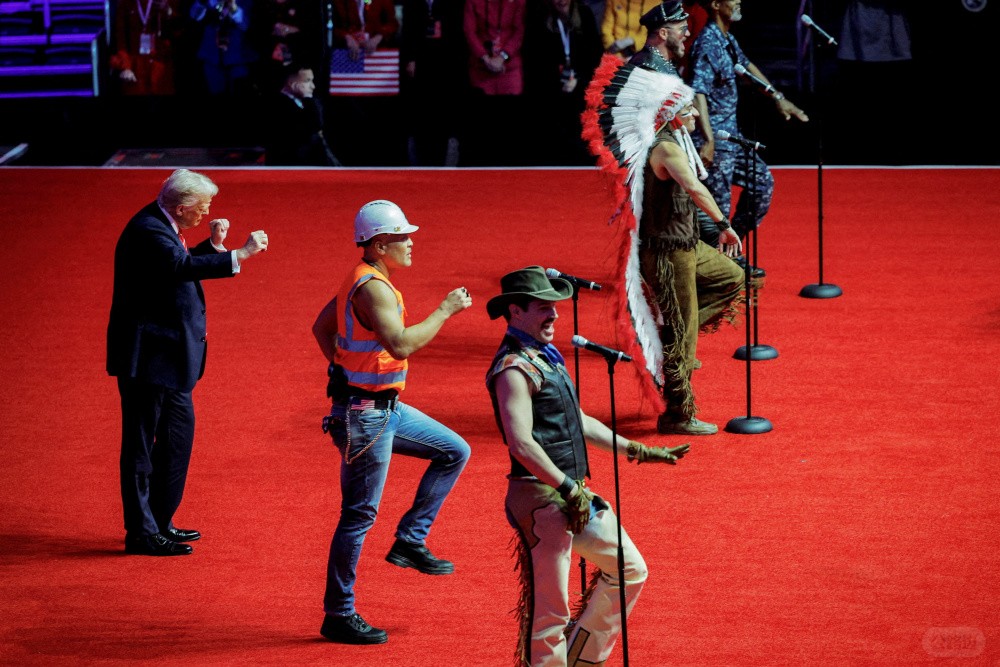
Looking ahead, U.S.–China competition could follow three paths:
China fails to sustain long-term strategic rivalry and collapses economically—akin to losing a “new Cold War”;
China defeats the U.S. and becomes the sole global leader;
Through repeated game theory and periodic cooperation, both sides forge a new, more balanced relationship that partially reverses historical structural inequalities.
In my view, the first two extremes are highly unlikely. The U.S. has dominated globally for over a century; China, having endured the Opium Wars, anti-Japanese resistance, and other trials, has re-emerged too resiliently to collapse from a single round of competition.
The real question is the nature of this rivalry: it is a search for a new equilibrium. In the past, China accepted an unequal order out of weakness. Now, with greater strength, it refuses to remain in its old position and uses game theory to recalibrate the relationship—a dynamic process. From this perspective, the third scenario is both more probable and desirable: the U.S. and China will eventually redefine their interest boundaries at a new balance point.
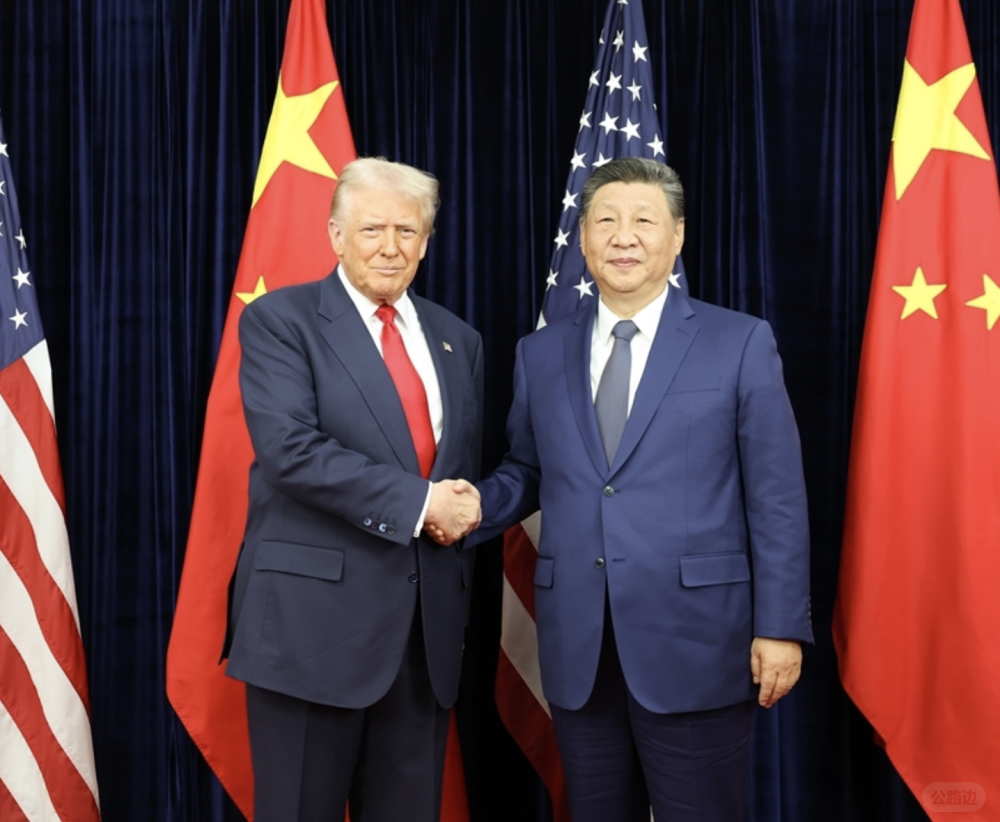
The crux lies in these boundaries: as China expands its interests, the U.S. perceives its actions as “overreach”—behaviors once tolerated are now unacceptable. Through repeated probing, both sides test each other’s strategic red lines. These new boundaries aren’t pre-designed but emerge gradually through game theory. Eventually, when both realize neither can be “defeated,” they will return to the negotiating table, forging a “marriage-like” balance of power and status.
Can China Fill the Void Left by America?
Trump pursues economic aggression abroad—using high-pressure negotiations to secure unilateral gains—but adopts retrenchment in security matters, unwilling to shoulder excessive international responsibilities.
Overall, the U.S. will prioritize homeland and Western Hemisphere security, consistent with Trump’s longstanding logic. This retreat highlights a worldview divide between parties: Democrats lean toward internationalism on security, while Republicans retain an isolationist tradition.
Trump has successfully mobilized domestic opinion, arguing the U.S. should not pay exorbitant costs for global affairs or provide excessive public goods. This sentiment has empowered domestic forces advocating “burden reduction,” potentially influencing even future Democratic administrations to adjust foreign aid policies.
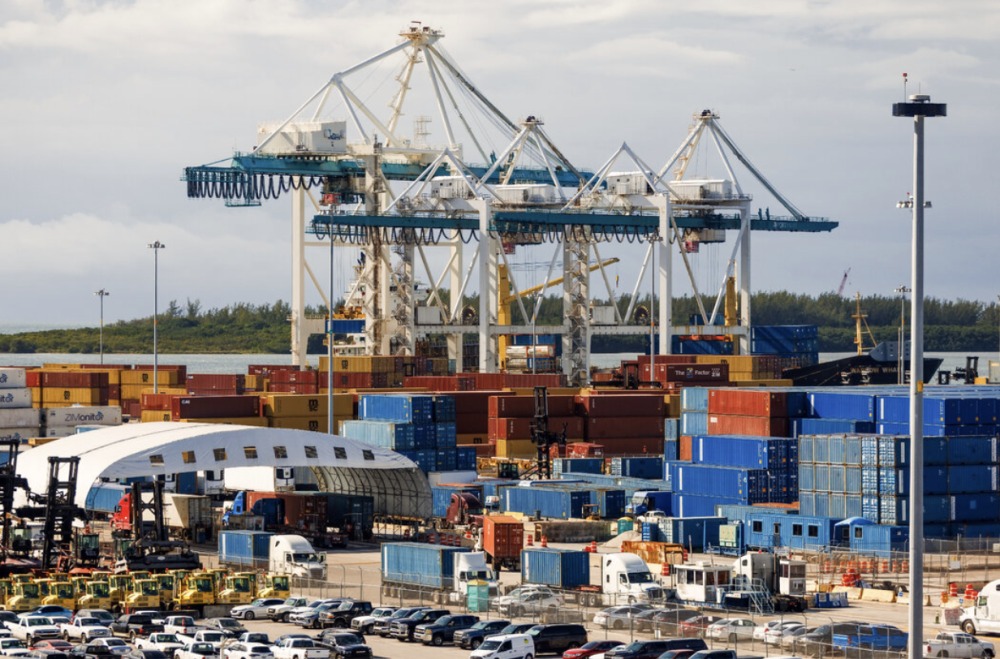
At the institutional level, Trump’s repeated “group-quitting”—withdrawing from UNESCO, slashing foreign aid, exiting climate agreements, and paralyzing the WTO—has directly undermined institutionalized multilateral cooperation. His disdain for multilateralism has diminished America’s role in global collaboration.
Against this backdrop, whether—and how—China should fill America’s void has drawn global attention. As a major power, China must invest resources in global governance, even if some appear “inefficient” in the short term, because diplomacy cannot be judged by commercial logic alone—it demands long-term vision. Yet China must also prudently assess its own capacity, acting selectively rather than overextending. Specifically, it should steadily contribute talent to international organizations to enhance influence.
However, many of these institutions suffer from bureaucratic inertia. The key question is whether China can leverage its strengths to drive reform. If an organization has lost vitality, marginal returns on investment will be minimal.
The true challenge lies in “reviving” international organizations and boosting their efficiency—testing China’s capabilities and marking an essential path for its leadership in global governance. In my view, strengthening the China-led Asian Infrastructure Investment Bank (AIIB) should be a top priority.
Moreover, the U.S. will likely resist rapid Chinese influence gains in international bodies, ensuring this process will be long and gradual—no quick fixes expected.
Looking back at the 1990s, liberals held wildly optimistic expectations about a “global village,” globalization, and “perpetual peace.” But the 21st century appears destined for renewed turbulence—what we see today may only be the prologue. In just the first quarter of this century, humanity has already endured five major shocks: 9/11, the 2008 financial crisis, Brexit, the Russia-Ukraine war, and U.S.–China trade conflict—each sufficient to reshape the global order.
Now, the expansion of artificial intelligence may impose a new form of “enslavement” on human society, becoming a critical challenge. AI could further widen gaps between individuals and nations, reducing some groups to mere executors of commands—devoid of autonomous judgment. Precisely because of this, the more advanced technology becomes, the more we need humanistic values as a counterbalance. A healthy society must cultivate both technological prowess and humanistic flourishing. Once technology overwhelms humanity, danger looms.
|

 Fear of God ESSENTIALS Hoodie Review: Mi87 人气#fashion
 The Derby of San Francisco Style 300 Cha114 人气#fashion
 Why the Derby of San Francisco Classic S131 人气#fashion
 Romaoss Launches "Rebirth Plan," in Talk71 人气#tech



 WeChat
 douyin