After Chinese authorities announced a record-high trade surplus for the first 11 months of this year, Chinese media revealed widespread cases of "paid export" fraud across multiple regions. Numerous shell companies have been purchasing fabricated export data to claim bonuses from local governments, which have either tacitly approved or even actively facilitated such practices.
Chinese Media Exposes Paid Export
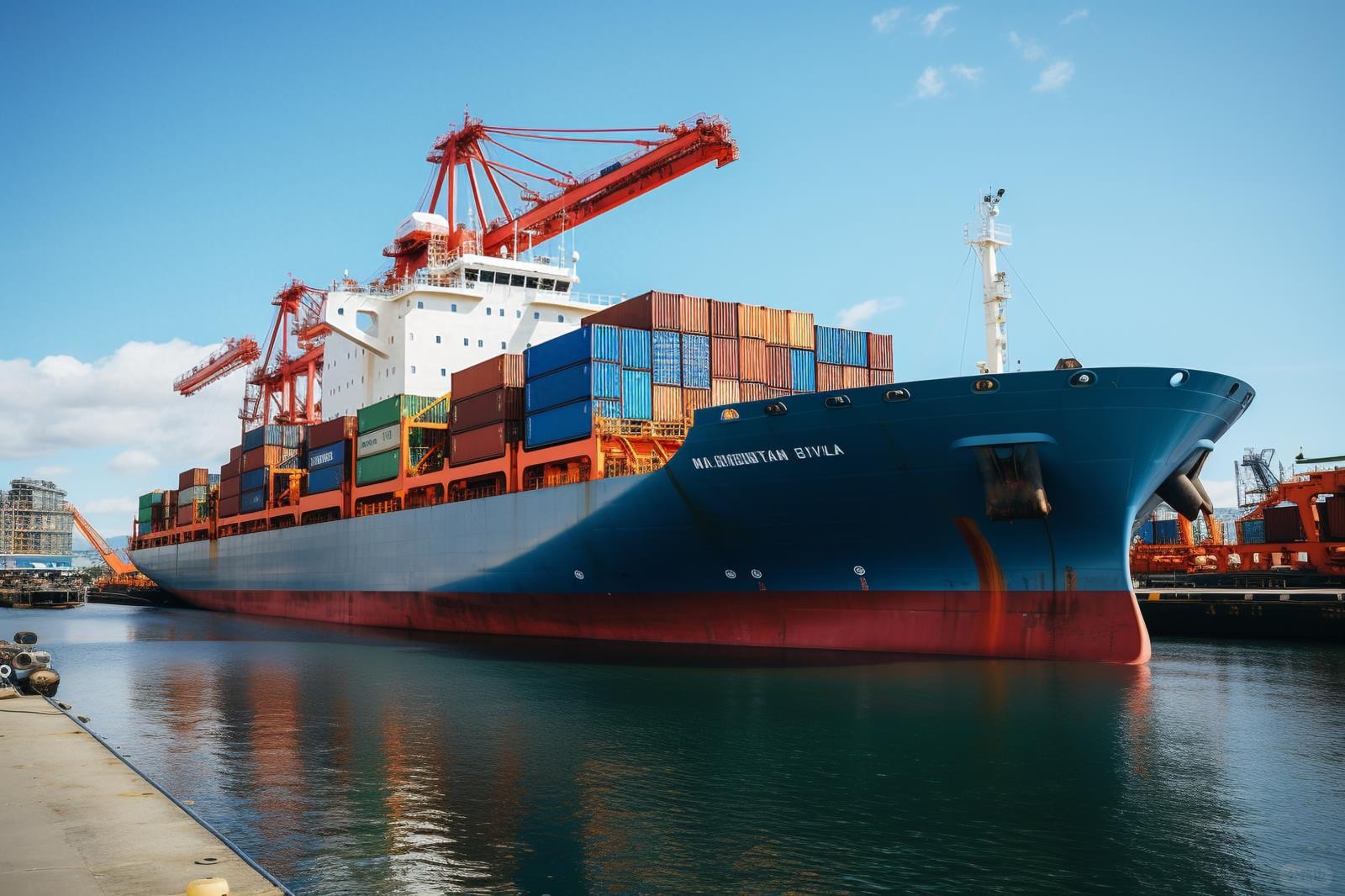
Chinese Media Exposes "Paid Export" Fraud in Multiple Regions; Analysts Say Local Governments Prioritize Shifting Their Own Pressure
Analysts point out that export data falsification is not new, but under heightened economic pressure, local governments are increasingly prioritizing the offloading of their own burdens, leading to an expansion in the scale and scope of such fraudulent activities.
Earlier this month, China’s General Administration of Customs released the latest import and export figures, showing that China’s trade surplus for the first 11 months of this year exceeded 1trillion(approximatelyS1.3 trillion), setting a new historical record.
On Monday (December 29), Yicai published an investigative report titled “Bought Export Data: Draining Local Fiscal Resources Without Substantive Economic Benefits,” revealing that some foreign trade enterprises have established numerous shell companies with foreign trade qualifications to purchase export data from customs brokers, thereby claiming reward funds distributed by local governments based on these inflated export figures.
The report noted that these export transactions never actually occurred within the named companies, yet they contributed to local export growth statistics. Local commerce departments have adopted an ambiguous stance toward such practices.
The report cited multiple cases this year in which foreign trade practitioners were charged with fraud over “paid exports,” with amounts involved exceeding RMB 100 million (approximately S$18 million).
One company stated that prior to the investigation, it had enjoyed “smooth cooperation” with relevant local government departments, which even intervened to help resolve issues when the company encountered trouble. Relatives of some defendants claimed the companies were merely helping the government achieve performance targets.
Analysis: Local Governments May Prefer to Turn a Blind Eye
Shen Meng, Executive Director at Chanson Capital, told Lianhe Zaobao that as external trade uncertainties intensify, China has repeatedly emphasized “international economic and trade struggles,” prompting local governments to adopt more aggressive incentive measures to support enterprise exports.
According to publicly available documents, local governments in Dong’an County, Hunan Province, Jing County, Anhui Province, and other areas have included provisions in recent foreign trade support policies offering rewards of approximately RMB 0.03 per U.S. dollar (S$0.013) of export value.
In August, Shenzhen’s tax authorities uncovered a massive tax fraud case involving four companies that fabricated export operations and engaged in “paid export with fake invoices” to defraud RMB 29.61 million in export tax rebates.
Shen stressed that practices like “paid exports” are not new phenomena, but the geographic reach and scale have significantly expanded. He explained that local governments face intense pressure to meet GDP targets, and falsified trade data can be counted toward GDP. Under the current weak economic climate, local authorities at all levels may be “more willing to turn a blind eye” to such activities.
As early as 2023, Wang Yalin, Director of Anhui Jinyatai Law Firm, wrote that since 2022, Chinese authorities nationwide have increasingly pursued criminal charges against “paid export” schemes, most commonly prosecuting them as fraud. “However, in reality, the so-called fraud often involves encouragement and participation by commerce departments in data falsification. Relevant departments knowingly facilitate these operations, allowing companies to receive rewards.”
Shen warned that “paid exports” will further strain central government finances, as cash-strapped local governments often draw subsidy and reward funds from central fiscal transfers. Moreover, such practices distort macroeconomic data, increasing international criticism from rival countries accusing China of contributing to “trade imbalances.”
|

 Fear of God ESSENTIALS Hoodie Review: Mi83 人气#fashion
 The Derby of San Francisco Style 300 Cha108 人气#fashion
 Why the Derby of San Francisco Classic S127 人气#fashion
 Romaoss Launches "Rebirth Plan," in Talk65 人气#tech



 WeChat
 douyin