返回列表 发布新帖

[中国] China criticizes Zhang Ben Zhihe and other Japanese sports figures linked to militarism.

17 0
西门豹 发表于 3 天前 | 查看全部 阅读模式
Zhang Ben Zhihe.jpeg
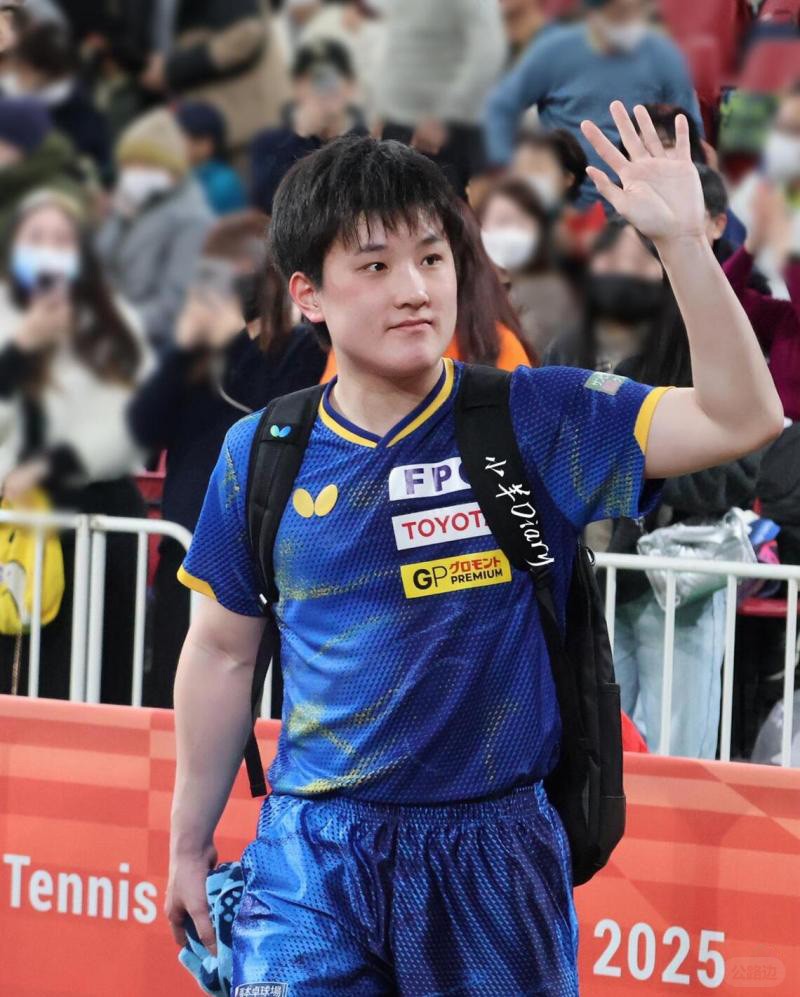
Amid escalating tensions in China-Japan relations, China has continued its public opinion campaign against Japan, with state media openly naming Japanese cultural and sports celebrities such as Mitoma Kaoru and Harimoto Tomokazu. (Internet)

Against the backdrop of strained Sino-Japanese relations, Chinese official media have explicitly named Japanese sports and entertainment figures—including footballer Mitoma Kaoru and table tennis player Harimoto Tomokazu—accusing them of being part of “organized efforts by Japan’s far-right forces to influence public perception and whitewash its history of aggression through cultural and sports activities.”

On Friday, January 2, the Study Times—the official newspaper of the Party School of the Central Committee of the Communist Party of China—published an article titled “Beware of the Infiltration of Japanese Militarism in Sports and Culture,” authored by Xu Hengbing, Deputy Director of the Department of Marxist Theory at the Political College of China’s National Defense University.

The article alleges that Japan’s sports and cultural sectors have repeatedly exhibited elements linked to militarism. It specifically cites Japanese national team player Mitoma Kaoru for posing with a collectible card associated with World War II war criminals, table tennis athlete Harimoto Tomokazu for visiting Tokyo’s Togo Shrine—which enshrines war criminals—and idol group “Snow Man” for featuring a katana inscribed with war criminals’ names and dates from Japan’s wars of aggression in their album teaser. It also notes frequent appearances of symbols such as the Rising Sun Flag and references to Unit 731 in Japanese anime, e-sports, and other cultural works.

Xu Hengbing argues that sports idols, anime, and video games are among the most common touchpoints in young people’s daily lives. He claims Japan’s far-right forces are deliberately using formats popular with youth to instill a sanitized, fictionalized version of history, aiming to sever the intergenerational transmission of authentic historical memory. This, he contends, cultivates a new generation lacking critical awareness of militarist history—or even harboring sympathy toward it—thus laying ideological groundwork for the long-term revival of extreme nationalism.

The article further asserts that these far-right efforts in culture and sports align with Japan’s domestic political and military ambitions, such as seeking great-power military status and breaking free from the constraints of its pacifist constitution. Together, they form a reinforcing dynamic between historical revisionism and aggressive security policy shifts, jointly undermining the post-war international order.

Xu Hengbing urges immediate recognition of this trend and swift countermeasures. He proposes several recommendations, including strengthening communication and coordination with countries victimized by Japan’s wartime aggression—such as South Korea and the Philippines—to jointly denounce Japan’s “historical distortion,” and advocating for multilateral international organizations like the United Nations and APEC to place opposition to the resurgence of militarism on their agendas.

回复

您需要登录后才可以回帖 登录 | 立即注册

本版积分规则

关灯 在本版发帖
扫一扫添加微信客服
QQ客服返回顶部
快速回复 返回顶部 返回列表