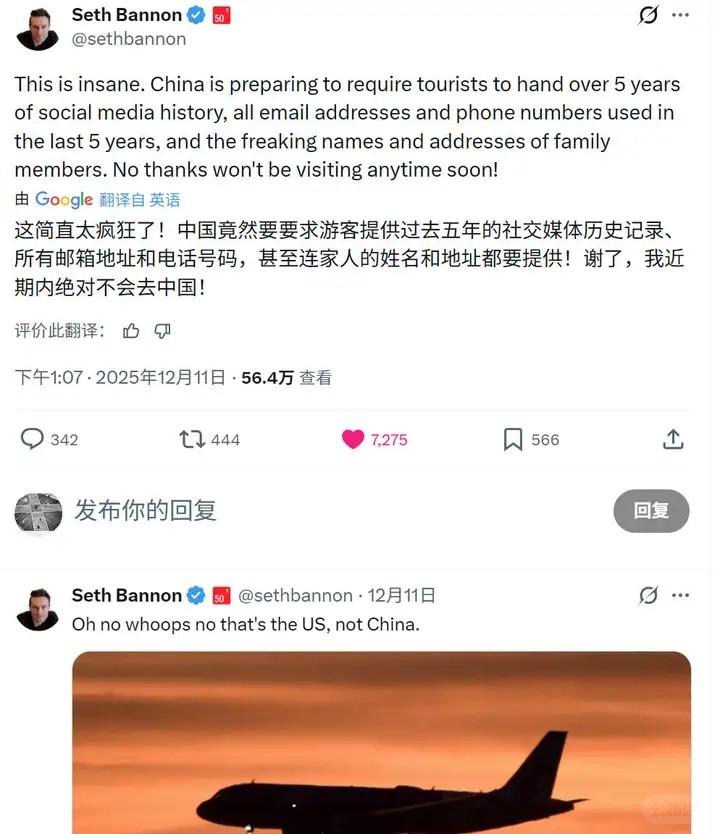
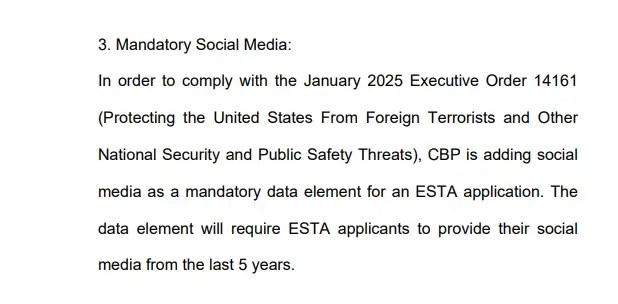
As President Donald Trump continues tightening travel restrictions for foreign visitors, the U.S. plans to implement social media screening for select tourists. According to an announcement released Wednesday by U.S. Customs and Border Protection (CBP), travelers from countries including the United Kingdom, Australia, France, and Japan will be required to submit their social media activity from the past five years when applying to enter the U.S.
The proposal includes a 60-day public comment period and has not yet been finalized; it may undergo revisions before implementation.
Citizens of countries participating in the U.S. Visa Waiver Program can currently apply via the Electronic System for Travel Authorization (ESTA) for stays of 90 days or less, at a cost of $40. Under the new plan, social media verification would become a “mandatory data field” in ESTA applications.
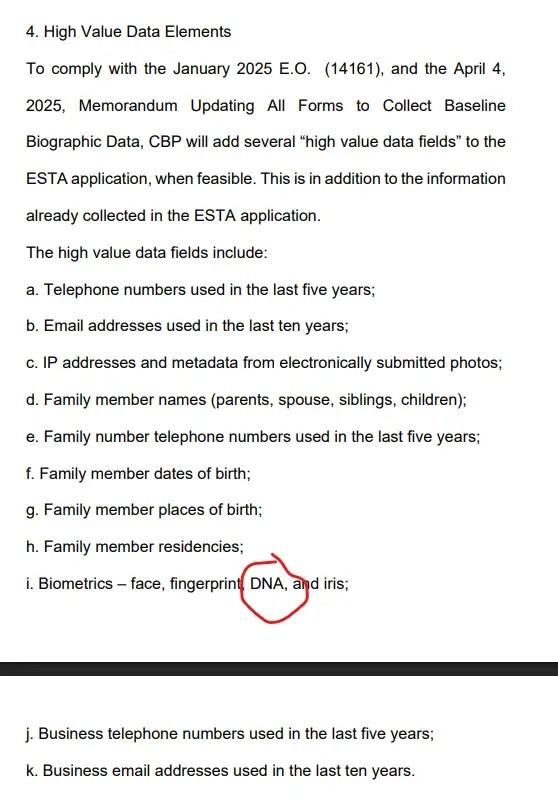
Border enforcement agencies also stated they would collect “multiple high-value data fields,” including applicants’ email addresses from the past 10 years, phone numbers used over the past five years, and the names and detailed information of family members.
In addition to social media checks, applicants would also be required to upload a “selfie photo.” CBP claims this measure will enhance screening procedures and more accurately verify whether applicants are legitimate holders of ESTA authorization documents.
This initiative represents an escalation of a series of recent measures by the Trump administration to restrict entry by foreign travelers. The policy shift follows an incident in which an Afghan man was charged with shooting two National Guard members near the White House, after which Trump began intensifying related policies. At the time, the president announced stricter immigration controls, including a “permanent” suspension of all immigration from “Third World countries,” and accused former President Joe Biden of having approved the entry of “millions of immigrants.”
Recently, the Trump administration announced an expansion of its travel ban to more than 30 countries. Initially unveiled in June, the ban originally barred citizens from 12 countries and restricted entry from another 7; newly added countries now include Afghanistan, Somalia, Iran, and Haiti.
U.S. Secretary of Homeland Security Kristi Noem stated at the time: “If these countries don’t have stable governments, cannot sustain themselves, and can’t provide us with identity information or assist us in vetting individuals, why should we allow people from these countries into the United States?”
As of now, U.S. Customs and Border Protection has not responded to CNBC’s request for comment.
|

 Fear of God ESSENTIALS Hoodie Review: Mi86 人气#fashion
 The Derby of San Francisco Style 300 Cha112 人气#fashion
 Why the Derby of San Francisco Classic S130 人气#fashion
 Romaoss Launches "Rebirth Plan," in Talk70 人气#tech



 WeChat
 douyin