On the surface, the Lakers still sit fourth in the Western Conference and seemingly don’t need to worry about their standings just yet.
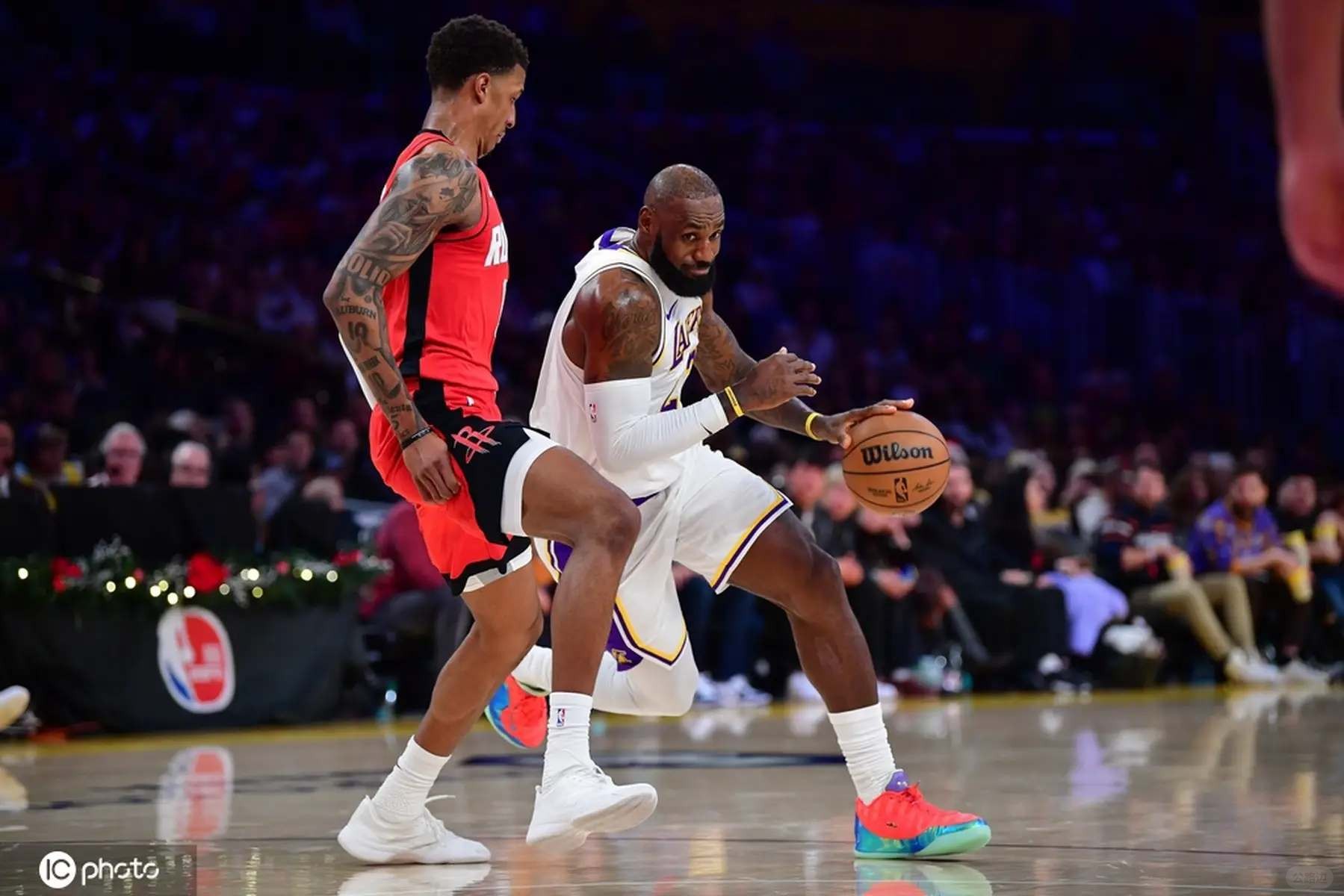
However, after losing the Christmas Day game, several alarming signals have emerged from within the team.
First, including the loss to the Rockets, the Lakers have now suffered three straight defeats. In all three games—regardless of the opponent—their losses followed nearly identical patterns: each defeat came by at least 15 points, their defense was consistently disorganized, and they were thoroughly outmatched in rebounding and paint scoring.
Second, in several statistical categories, the Lakers have already sunk to near the bottom of the league. For instance, their defensive rating has dropped to 26th, their rebounding ranks 25th, and their blocks per game rank 27th. Even on offense—a department once considered a strength—their production has sharply declined. After yesterday’s game, their field goal attempts per game ranked dead last in the NBA, and their assists per game ranked 27th. What was once a functional offensive system has now been shattered by endless isolation plays from their core players.
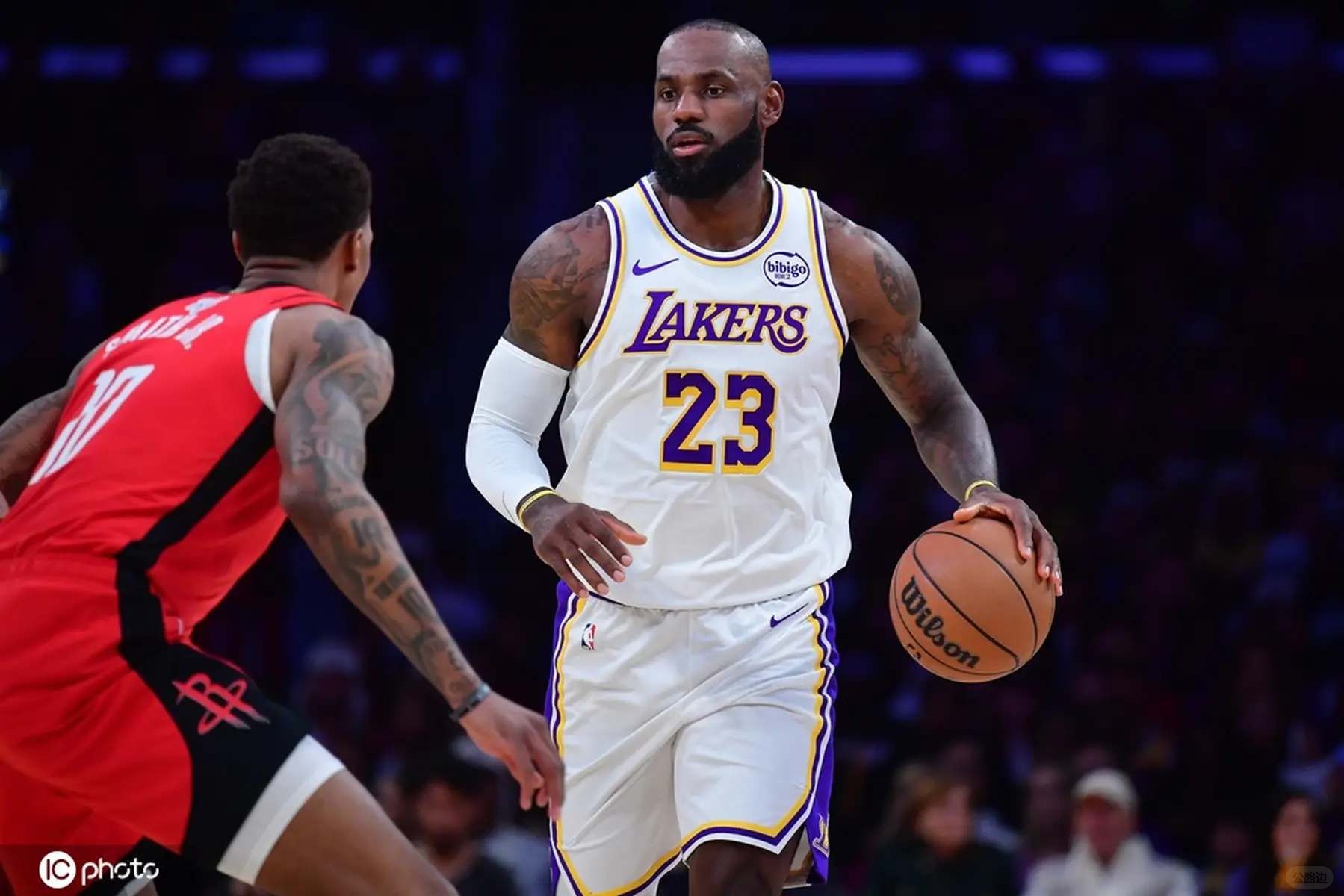
Third, zooming in specifically on the starting lineup, the problems become even more glaring. Through this point in the season, the Lakers’ starting five ranks dead last across six key metrics: offensive rating, defensive rating, net rating, their own three-point shooting percentage, and their ability to limit opponents’ overall and three-point shooting percentages.
In short, with these issues erupting simultaneously, the Lakers’ style of play and roster composition have reached a critical juncture that demands immediate adjustment and restructuring.
Yet there is one fundamental consensus: no matter how much reshuffling occurs, Luka Don?i?’s status as the undisputed centerpiece will remain untouched. Despite recent struggles caused by injuries and fatigue—and despite his partial responsibility for the team’s offensive inefficiency and defensive lapses—the Lakers’ decision this past summer to offer him a max contract while sidelining another core player, LeBron James, effectively signaled a clear shift in the team’s internal power structure.
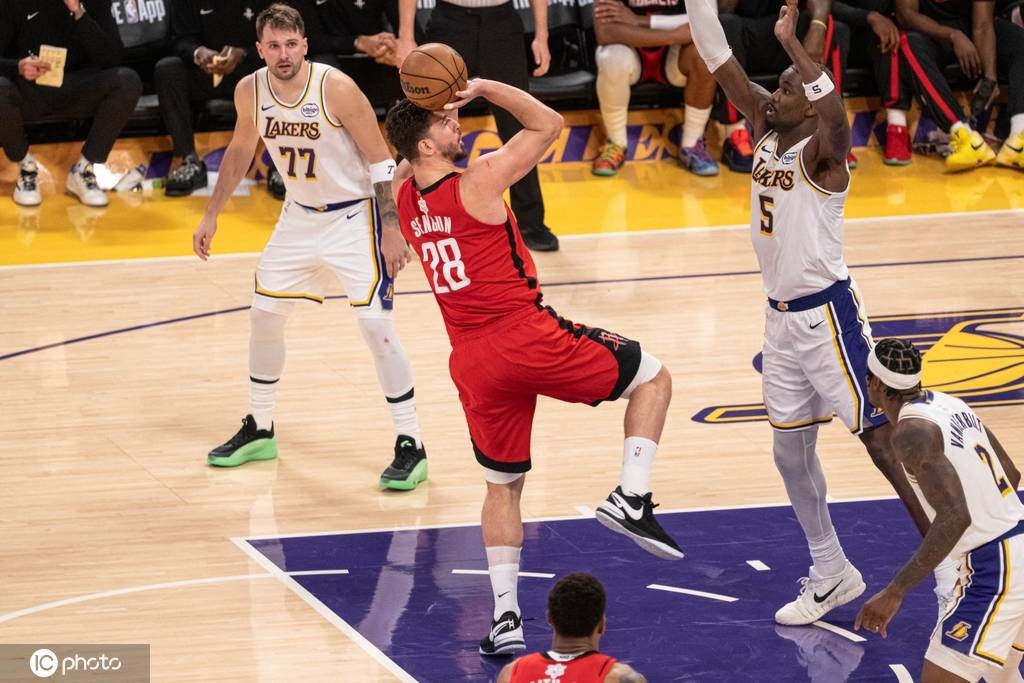
Therefore, any future adjustments will inevitably target the players surrounding Luka. So who will be the first to feel the axe of the Lakers’ rebuild? Could it be Austin Reaves?
According to an official announcement from the Lakers today, Reaves has suffered a Grade 2 strain of his left calf’s gastrocnemius muscle and is expected to miss approximately four weeks, with his return timeline subject to reevaluation afterward.
It’s worth noting that Reaves had only just returned three days ago in the game against the Suns. His rushed comeback not only failed to help the Lakers but actually worsened his injury. He is now officially ruled out of contention for end-of-season awards, and his chances of earning his first All-Star selection have dimmed significantly.
To be honest, due to his physical limitations, Reaves has often been targeted on defense throughout his career—a trend that hasn’t improved much this season. So far, his Defensive Box Plus-Minus (DBPM) stands at -1.1, a career low. When he’s on the court, the team’s defensive rating is 120, also his worst ever. Additionally, opponents shoot 2% better than their season average when guarded by Reaves—an undeniably awkward statistic.
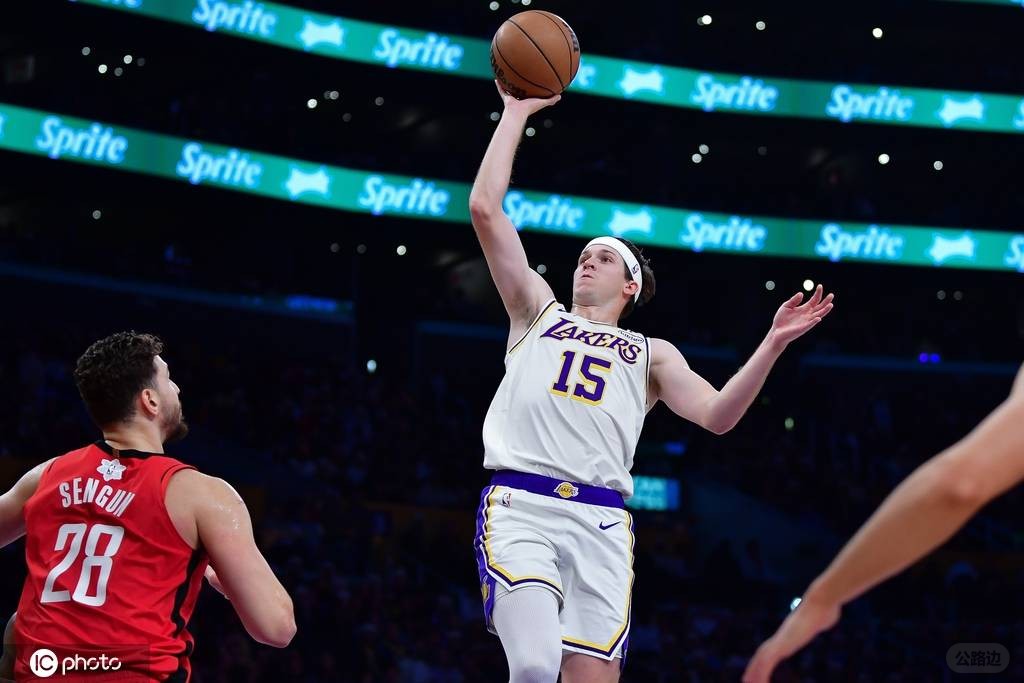
Over the next four weeks without Reaves, the Lakers will likely insert a more defensively capable player into his spot. If that move proves effective, might the team consider making it permanent—even after Reaves returns—perhaps shifting him to a sixth-man role or, more drastically, exploring his trade value before his contract extension this summer?
That said, Reaves is currently averaging 26.6 points, 5.2 rebounds, 6.3 assists, and 1.0 steals per game this season. Such impressive production and elite shot-creation ability are extremely difficult to replicate in the trade market. Despite his defensive shortcomings, at age 27 and in his athletic prime, Reaves arguably holds more upside than the 40-something LeBron James.
If the Lakers sacrifice Reaves merely to address short-term turmoil—or trade him for more role-specific players—the long-term repercussions could be severe. A wiser approach would likely involve allowing Reaves time to fully recover while seeking changes elsewhere on the roster.
For example, at the center position.
Since joining the Lakers this season, Deandre Ayton has averaged 15 points, 8.7 rebounds, and 1 block per game on a staggering 70% shooting—posting excellent basic stats. Moreover, Ayton is the only starter who has held opponents below their average shooting percentages when matched up against him. However, Ayton isn’t a true defensive anchor; his strengths lie in mid-range shooting and overall versatility. Expecting him to consistently protect the rim and rotate effectively may simply be asking too much.
If the Lakers remain dissatisfied with Ayton and seek a more defensively imposing big man, there are a few viable options available—such as Robert Williams III of the Trail Blazers or even Jaren Jackson Jr., whom they passed on last season. But given the Lakers’ current roster construction, would adding a pure defensive rim protector truly transform their situation? And if they replace Ayton with a traditional blue-collar center, wouldn’t that create new offensive voids?
Another potential avenue for improvement lies in acquiring a wing player with superior athleticism and strong defensive credentials. Recently, several forwards capable of playing both the 3 and 4 positions have appeared on the Lakers’ shopping list—players like Herbert Jones of the Pelicans or Andrew Wiggins of the Heat. The problem, however, is that acquiring such defenders would require corresponding sacrifices.
At this point, the most likely trade chip the Lakers would offer in such deals is Rui Hachimura. Yet this season, Rui’s scoring and rebounding averages have both declined, and opponents are shooting 6% better than average against him—a significant drop in effectiveness. With his diminished value, how easily can the Lakers realistically move a player they’ve already grown lukewarm toward?
Of course, there remains one even bolder option: the Lakers could set aside some commercial considerations and actively pursue trading LeBron James within the next month or so, exchanging him for younger, more immediate contributors.
After all, this season has laid bare James’s advancing age like never before. Before his return, the Lakers—led by Don?i? and Reaves—were progressing quite smoothly. The team’s recent collapse coincides precisely with James’s return, suggesting that the root of their current crisis may indeed lie with him.
But this elephant in the room is exceptionally difficult to manage. Should the Lakers seriously contemplate trading LeBron, they’ll face immense public and media backlash. How the front office navigates that storm will test their courage and strategic wisdom alike.
|

 Fear of God ESSENTIALS Hoodie Review: Mi86 人气#fashion
 The Derby of San Francisco Style 300 Cha114 人气#fashion
 Why the Derby of San Francisco Classic S131 人气#fashion
 Romaoss Launches "Rebirth Plan," in Talk70 人气#tech



 WeChat
 douyin