The Lakers have lost three straight games—to the Clippers, Suns, and Rockets—being outscored by a combined 62 points. They can’t score, they can’t defend, and they’re radiating helplessness. Meanwhile, head coach JJ Redick ignited tension in the locker room with his blunt remarks: “It’s about making choices, but there are always some people in our team unwilling to make that choice—and it’s always the same few. Our upcoming practices will be tough, and so will our team meetings.” I don’t know who Redick was referring to, but one thing is certain: the Lakers are facing internal and external crises. Their starting lineup of LeBron James, Luka Don?i?, Austin Reaves, Rui Hachimura, and Deandre Ayton ranks dead last among all Lakers lineups in offensive rating (103.2), defensive rating (123.1), net rating (-19.9), three-point percentage (32.1%), opponent field goal percentage (52.4%), and opponent three-point percentage (39.7%).
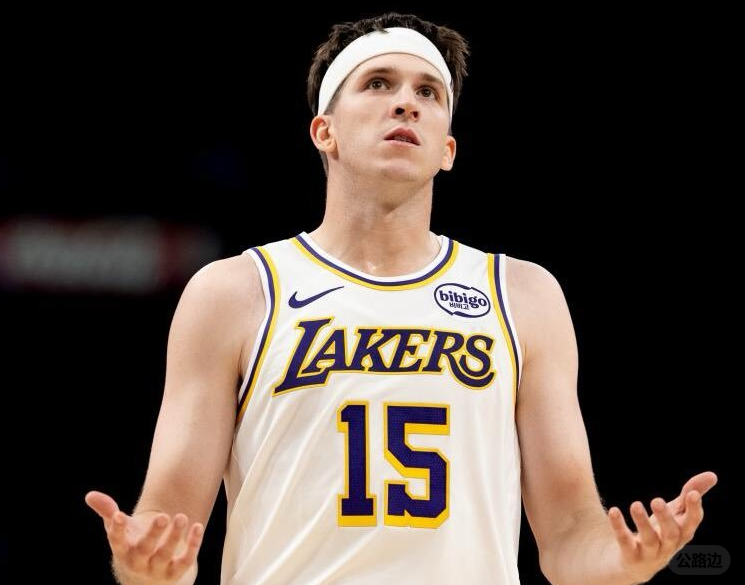
Goodbye All-Star! Goodbye $240 Million Supermax! Reaves’ Injury Officially Announced—Lakers in a Bind
Moreover, injuries are severely limiting the Lakers’ potential. At the start of the season, LeBron missed 14 consecutive games. Soon after, Luka suffered injuries that caused him to miss multiple games intermittently. During this stretch, Reaves seized the opportunity and delivered superstar-level performances. In 23 games played, Reaves averaged 35.2 minutes per game, posting 26.6 points, 5.2 rebounds, 6.3 assists, 1.0 steal, and 2.7 three-pointers per game, shooting 50.7% from the field, 36.5% from deep, and 87.3% from the free-throw line—all career highs in points, rebounds, and assists.
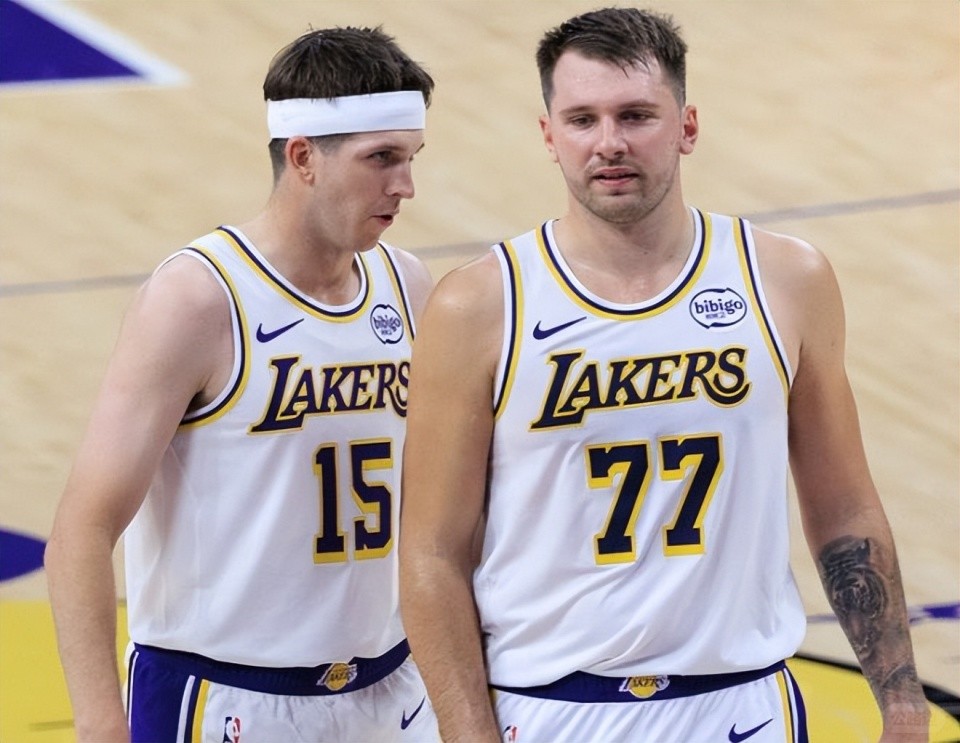
As fans put it, if Reaves kept playing like this, he’d likely sniff the All-Star floor and position himself for a $240 million, five-year supermax contract next summer. However, pushing too hard caught up with him—his injury arrived earlier than expected. Reaves had previously missed three straight games due to a mild left calf strain. He rushed back on December 24 against the Suns, only to exit again during the Christmas Day loss to the Rockets on December 26. According to an official announcement from the Lakers, Reaves has suffered a Grade 2 strain of the gastrocnemius muscle in his left calf and will be reevaluated in four weeks.
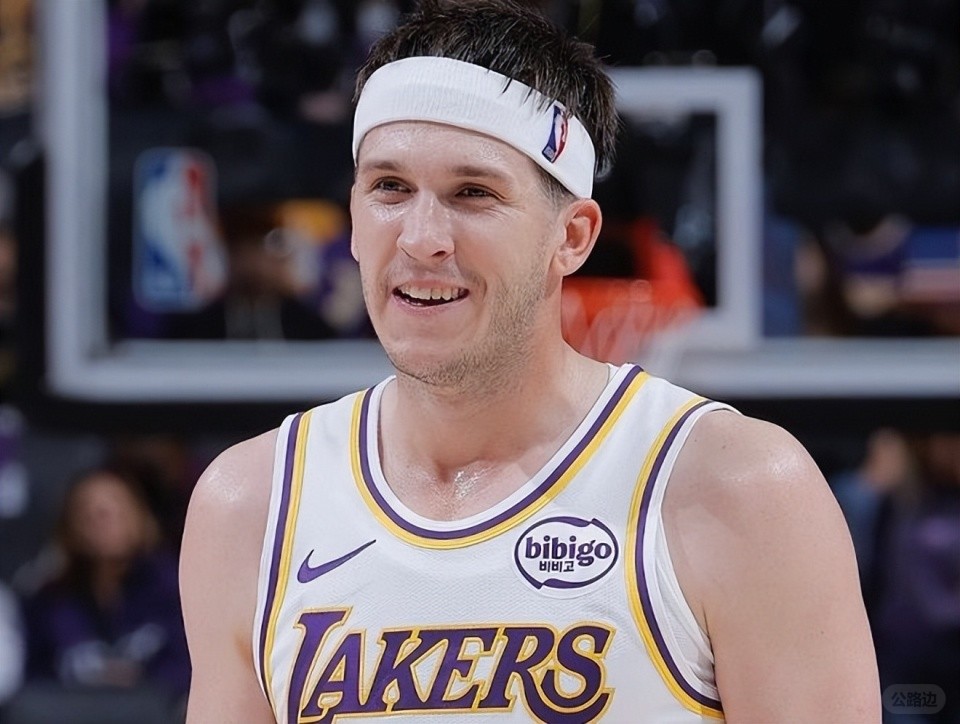
The gastrocnemius—the most superficial and prominent muscle of the calf—extends from just below the femur down to the heel via the Achilles tendon and is crucial for actions like jumping. In other words, Reaves’ premature return worsened his calf injury—a classic case of haste making waste. NBA sports medicine expert Jeff Stotts pointed out bluntly: “The average NBA player with a Grade 2 calf strain misses approximately 40.1 days.” This implies two things: first, Reaves is now officially out of All-Star contention; second, he’ll miss at least 14 more games. Combined with the six games he’s already missed, Reaves will sit out at least 20 games this season, disqualifying him from All-NBA consideration and effectively ending any chance of securing a $240 million supermax deal next summer.
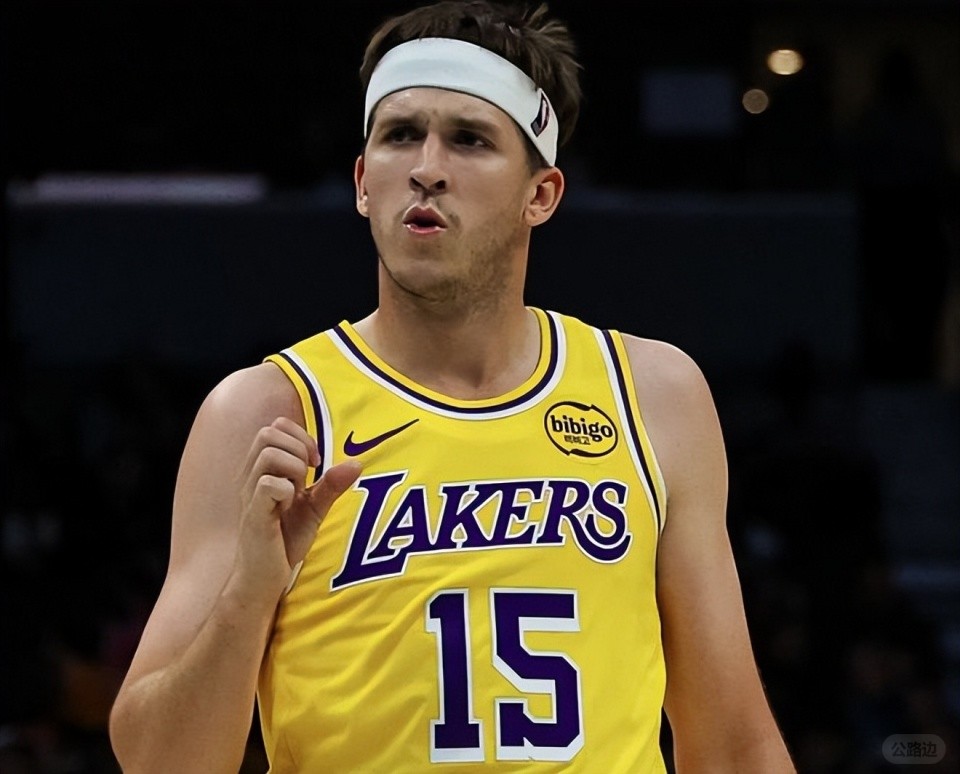
With Reaves sidelined, the Lakers must press on. Lakers beat reporter Ryan Ward noted sharply: “This is a massive blow. The next four weeks will be extremely tough for the Lakers, especially since the NBA trade deadline falls on February 5—just shortly after Reaves is projected to return.” In other words, if the Lakers’ record remains poor by then, they might initiate major trades mid-season. As noted NBA insider Law remarked, “Luka also got injured in last year’s Christmas game—it turned out to be his final game with the Mavericks before they traded him 39 days later.” A similar script could now unfold for Reaves.
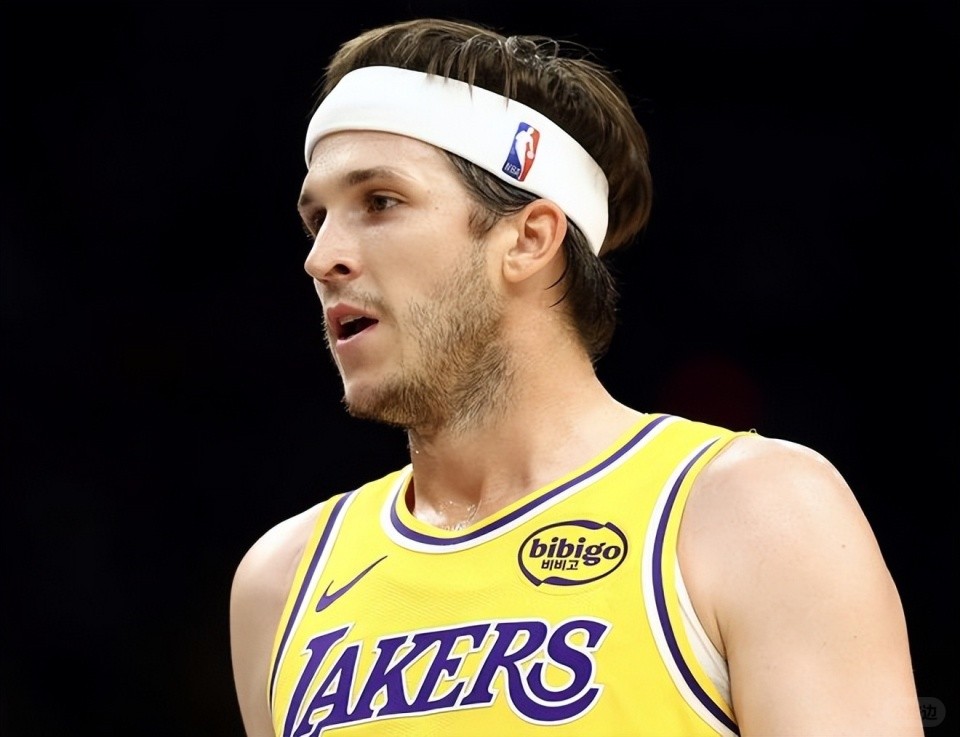
While major roster changes would be understandable for the Lakers, Reaves’ injury leaves them in a difficult position. On one hand, Reaves is earning only $13.94 million this season—his trade value isn’t high. On the other, though he’s an offensive genius, he’s a defensive liability, and his recurring injuries raise serious questions about his long-term durability and ceiling. That means the Lakers face a dilemma next summer: offering him a massive contract carries enormous risk, yet executing a sign-and-trade may not yield significantly better assets in return. What do you fans think?
|

 Fear of God ESSENTIALS Hoodie Review: Mi86 人气#fashion
 The Derby of San Francisco Style 300 Cha112 人气#fashion
 Why the Derby of San Francisco Classic S130 人气#fashion
 Romaoss Launches "Rebirth Plan," in Talk70 人气#tech



 WeChat
 douyin